


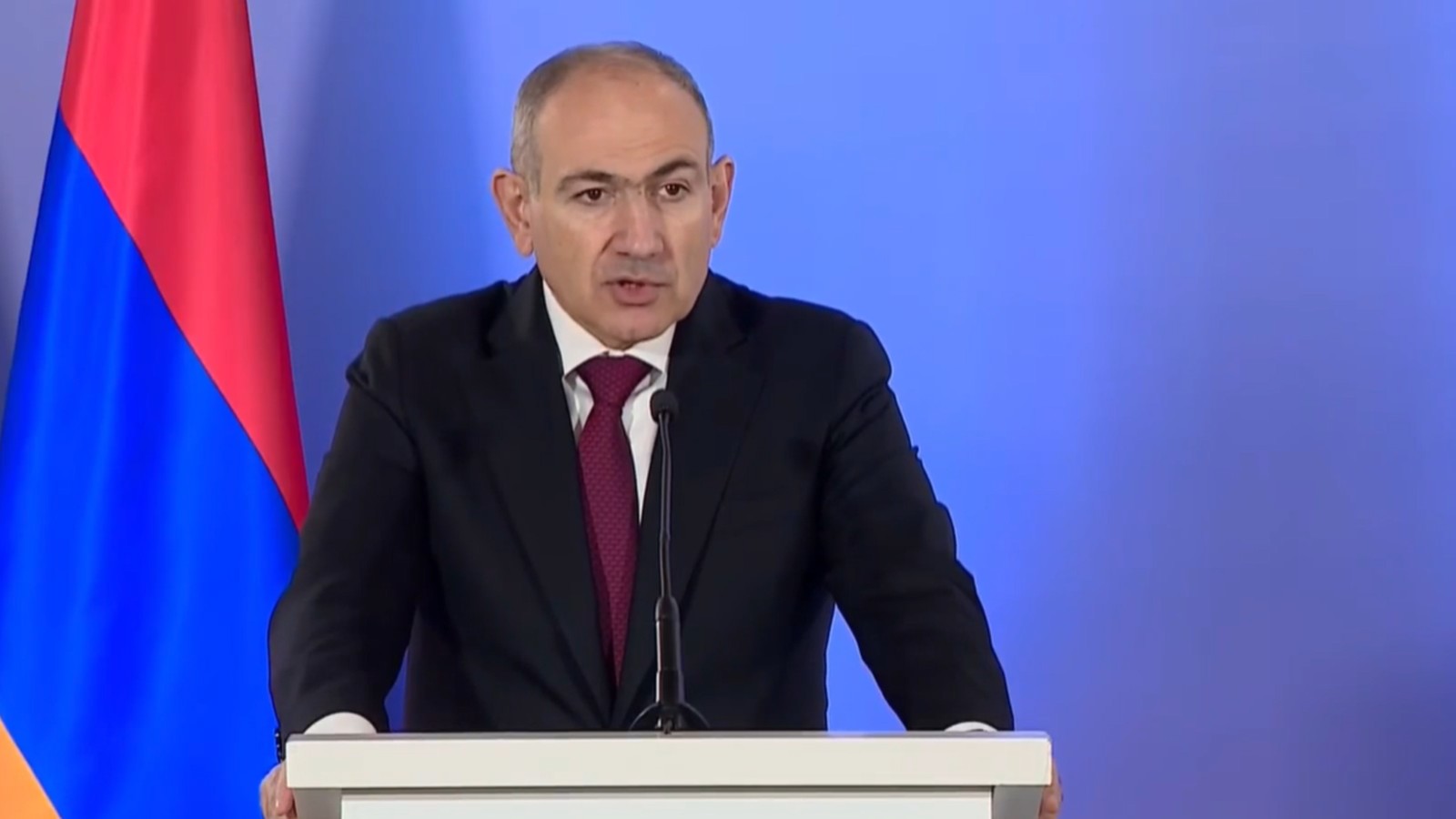
Prime Minister Nikol Pashinyan addressed the press today following a regular cabinet meeting in Yerevan, navigating a diverse range of domestic and geopolitical inquiries. The briefing, which serves as a critical mechanism for executive accountability, focused heavily on the status of state infrastructure and the administration’s broader political trajectory amidst rising public scrutiny.
Infrastructure and Strategic Autonomy
A central theme of the discussion was the management of Armenia’s railway infrastructure, currently under Russian concession. Despite previously articulated concerns regarding strategic losses and competitive disadvantages caused by the current management model, the Prime Minister clarified that the government does not currently intend to terminate the existing contract. This nuanced position reflects the administration’s attempt to balance long-term aspirations for sovereign infrastructure control against the immediate realities of existing legal obligations and the complexities of regional logistics.
Political Accountability and Public Discourse
Beyond technical governance, the session touched upon the government’s response to domestic criticism and the broader political environment. Pashinyan’s comments, characterized by a direct tone regarding administrative challenges, underscored the administration’s struggle to maintain public trust in the face of vocal opposition. By addressing these issues openly, the Prime Minister is attempting to project stability and demonstrate command over the state apparatus during a period of intense public debate.
Institutional Integrity and Future Outlook
The engagement highlights a recurring tension in Armenian governance: the need to enact structural reforms while maintaining institutional continuity. While the government faces pressure to demonstrate tangible progress in areas like infrastructure efficiency, the constraints of historical agreements and regional geopolitical dynamics often limit the pace of change. For the public, the takeaway remains clear: the government is operating in a reactive cycle, managing inherited dependencies while attempting to signal a shift toward greater national agency. The effectiveness of this approach will ultimately depend on whether the administration can translate these policy clarifications into concrete benefits that mitigate the economic and social anxieties currently felt by citizens.