


A Last-Minute Rescue in Los Angeles
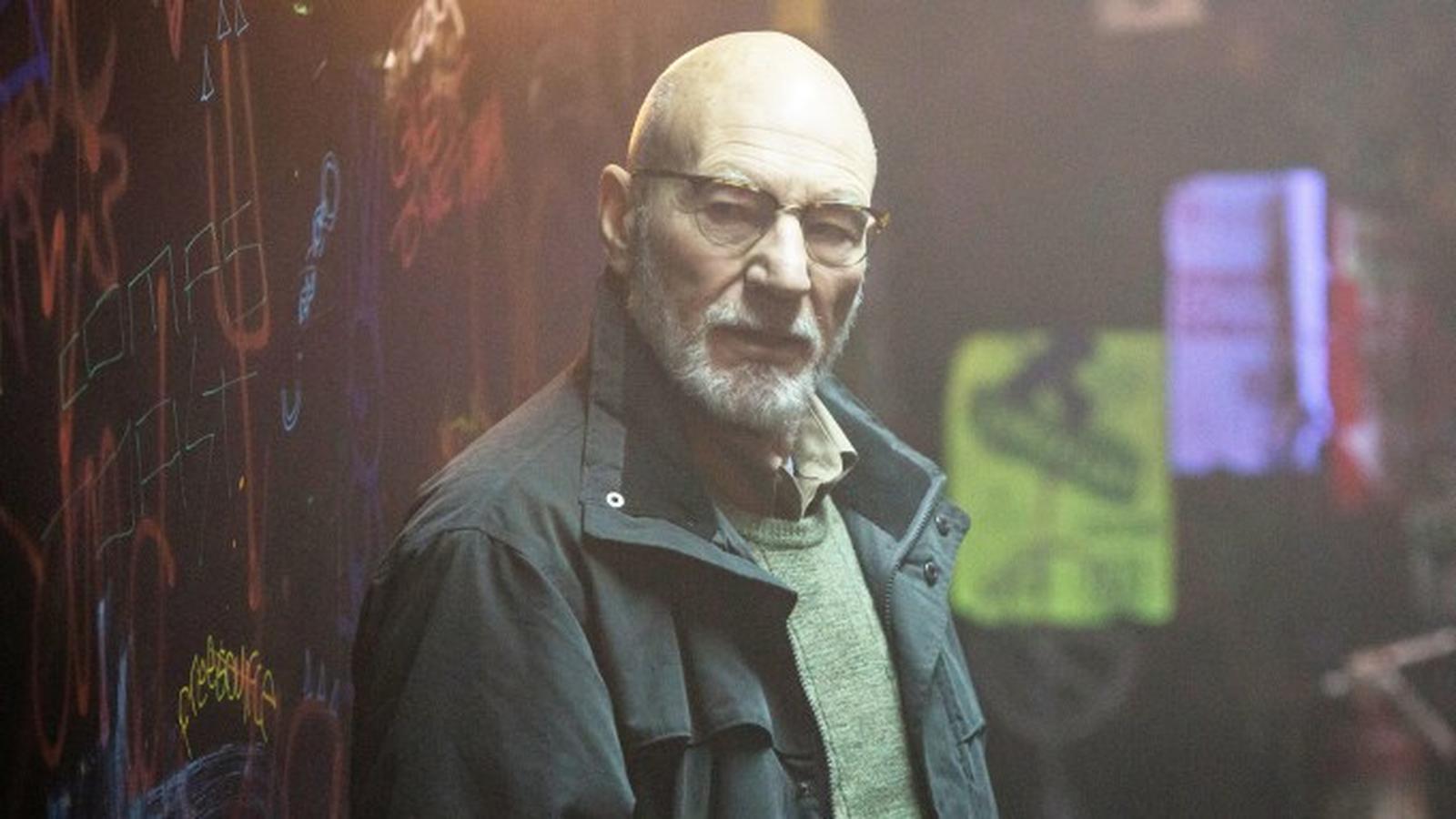
During a 10th-anniversary screening of the 2015 thriller Green Room in Los Angeles on Friday, writer and director Jeremy Saulnier paid emotional tribute to the late Patrick Stewart, who passed away at age 86. As reported by Deadline, Saulnier shared how the acclaimed actor stepped in at the eleventh hour to play skinhead leader Darcy Banker when the A24 production was on the verge of being shut down due to an uncast lead role. Addressing the audience ahead of the screening, the filmmaker explained that the project had reached a critical impasse before Stewart expressed unexpected interest.
“We’re fucked, and we were close to shutting down,” Saulnier recalled to the crowd, noting that production was at the point of no return with sets already under construction. According to reporting by The Hollywood Reporter, Stewart died on Wednesday at his home in Los Angeles following a brief journey with Alzheimer’s disease and Lewy body dementia, as announced by longtime spokesperson Kelly Bush Novak. His passing prompted widespread tributes across the entertainment industry from colleagues including Ian McKellen, Kevin Feige, William Shatner, and Hugh Jackman.
The Turning Point for an Independent Production
Saulnier detailed the whirlwind sequence of events that brought the veteran stage and screen star into the gritty independent project. Having built physical sets and facing immense financial and logistical pressure, the director admitted he was preparing to break down the production entirely. Instead, Stewart arrived from outside their typical casting tier and instantly greenlit the film by accepting the role of the methodical neo-Nazi villain.
“This dude came out of nowhere, from way above our sort of zone, and just swooped down, nosedived into our cruddy ass movie and saved us, and said yes,” Saulnier told the audience. He credited the actor directly for his continued career, stating, “Patrick Stewart is why I still can make movies.” The collaboration established a lasting creative bond, with Saulnier praising the actor as a consummate professional and a kind leader to the cast.
Creative Alignment and Legacy on Set
Beyond rescuing the production from financial collapse, Saulnier shared anecdotes illustrating Stewart’s deep commitment to the film’s specific aesthetic and tone. The director recalled a specific day on set when Stewart approached him with a modest request to refine a scene. The actor asked for permission to insert a single expletive at a tense moment as the camera tracked through the room, ensuring it matched the gritty realism of the narrative.
“I just knew that he was completely aligned with the film, its aesthetic, its intentions and with me as a filmmaker,” Saulnier said. He closed his remarks by reminding the audience to heed the late actor’s memorable instruction regarding the film’s antagonists: “As Patrick would make sure I clarify here, ‘Whatever you do, don’t root for the Nazis.’”
Analyzing the Stakes of Independent Cinema Financing
The near-collapse of Green Room highlights the precarious nature of independent filmmaking, where a single uncast marquee role can trigger a total financial and operational shutdown. For Saulnier, who previously faced severe budgetary hurdles on projects like Murder Party and navigated the lean years of the digital video transition, securing a performer of Stewart’s magnitude transformed the entire risk profile of the A24 production. Financiers rely heavily on recognizable anchors to justify their capital investments, and without Darcy Banker cast, the momentum of physical construction on the sets threatened to result in a total loss.
Industry coverage from outlets like Variety during the film’s original 2016 release underscored how unusual the casting coup truly was. Stewart operated outside the typical talent pool accessible to a mid-tier genre thriller, yet his spontaneous decision to print the script, read it in his West Oxfordshire home, and sign on within ten days altered the trajectory of Saulnier’s career. This structural vulnerability is common across independent cinema, where directors must frequently balance artistic integrity against strict shooting schedules and sudden talent gaps.
Subverting Expectations Through Quiet Authority
Stewart’s approach to playing Darcy Banker further redefined the conventional tropes associated with cinematic villains. Rather than relying on overt theatricality or loud monologues, the actor collaborated closely with Saulnier to craft an understated alpha male whose power stemmed from calm pragmatism and self-preservation. As noted in discussions with Inverse, the character functioned as a businesslike manager of a crisis rather than a bloodthirsty monster, making the unfolding siege all the more terrifying.
This deliberate restraint mirrored the broader creative philosophy that attracted Stewart to the project in the first place. Always searching for ambitious stories and fresh collaborators, the actor embraced the rapid preparation schedule and remote Pacific Northwest setting. His ability to anchor the antagonist role with quiet authority not only stabilized the narrative tension against Anton Yelchin’s punk band protagonists but also cemented a rare, enduring bridge between classical theatrical training and gritty, independent genre filmmaking.