


A New Chapter in 1977 Los Angeles
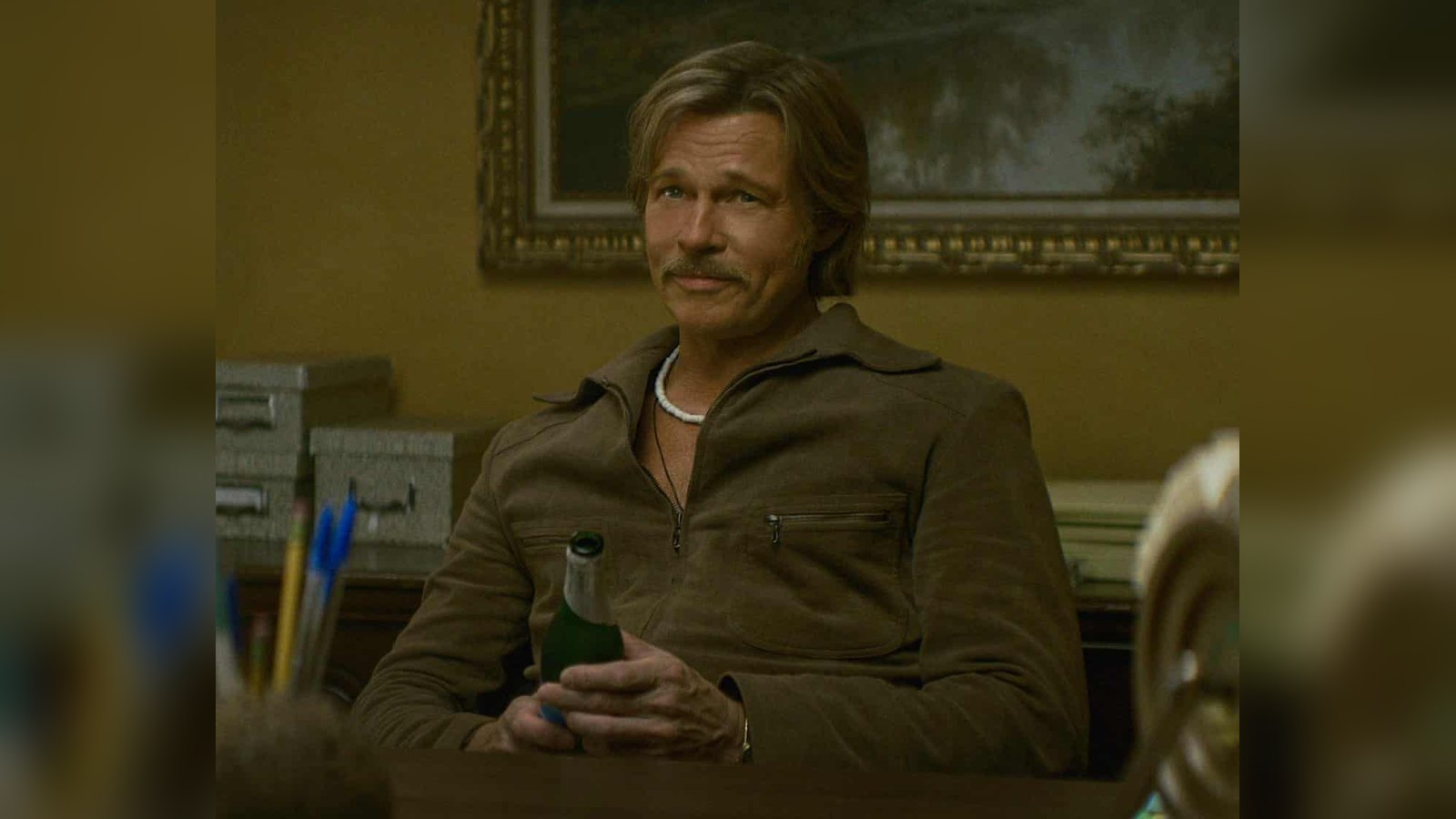
Following its premiere coverage on November 19, 2026, The Further Mis-Adventures of Cliff Booth has emerged as a high-profile creative collaboration between writer Quentin Tarantino and director David Fincher. The film, which functions as a narrative continuation rather than a traditional sequel, picks up nearly a decade after the events of 2019’s Once Upon a Time in Hollywood. Set in the grittier, post-Nixon landscape of 1977 Los Angeles, the project marks a significant shift in tone and pace, bringing Brad Pitt back to his Oscar-winning role as the enigmatic stuntman Cliff Booth, as reported by The Guardian.
The film explores Booth’s life well beyond his previous Hollywood exploits. No longer working as a full-time stuntman due to a lingering injury, Booth has transitioned into a series of side-hustles, including working as a projectionist at the New Beverly Cinema and acting as a discreet fixer for influential figures in the city. The narrative structure, while maintaining Tarantino’s signature dialogue-heavy style, is noticeably accelerated by Fincher’s directorial influence. According to Deadline, this script originated from material Tarantino had previously earmarked for his intended final directorial project, which was later repurposed to serve as a multimedia event alongside a forthcoming novel.
Directorial Synthesis and Narrative Stakes
The collaboration between Tarantino and Fincher results in a distinct stylistic fusion. While the script retains the “scabrous black comedy” and “urban crime-pastoral” elements typical of Tarantino’s work, Fincher’s direction is credited with tightening scene transitions and curbing the chapter-by-chapter verbosity often found in Tarantino’s later films. This change in pacing shifts the focus toward the atmosphere of 1977 L.A., a period defined in the film by a more cynical, post-counterculture reality. Booth’s character remains the anchor; his “sphinx-like” calm and refusal to be rattled by the rising violence around him provide the film’s central ironic tension.
The story introduces new dynamics, most notably through Karen Crosby, a talent agent portrayed by Elizabeth Debicki, who draws Booth into a complex criminal underworld. The inclusion of characters such as Charlie Peters (Scott Caan) and “Hot” Rod Harrison (Yahya Abdul-Mateen II) expands the ensemble, mirroring the pastiche-heavy world-building of the 2019 original. However, the film remains deliberately opaque regarding the unresolved mystery of Booth’s wife, a subject that continues to be reserved for the companion novel. This decision to split the narrative across mediums underscores the project’s ambition as a “multimedia event” rather than a standalone feature.
Character Evolution in a Darker Era
The 1977 setting serves as more than just a chronological marker; it reflects the darker, more industrial tone of the film. With Rick Dalton away filming in Australia, Booth is forced to operate independently, living with his father, Gus (Peter Weller). His role as a fixer places him at the intersection of Hollywood’s elite and its criminal underbelly. Critics have noted that Pitt’s performance successfully balances Booth’s “amiable-cowpoke” persona from the first film with a newfound, battle-hardened weariness. The film’s refusal to provide easy answers regarding Booth’s past or his moral alignment remains its most provocative element, maintaining the character’s status as one of modern cinema’s most enigmatic figures.
Fincher’s Technical Influence on the Tarantino Universe
The convergence of Tarantino’s screenplay and Fincher’s technical precision represents a unique experiment in modern genre filmmaking. While Tarantino’s writing is famously verbose, often favoring long, discursive monologues and intricate character deep-dives, Fincher’s intervention has introduced a more rhythmic, accelerated structure. Sources indicate that Fincher’s influence is most visible in the film’s editing, which moves with a clinical sharpness that contrasts with the more languid, sun-drenched pacing of the 2019 original. This stylistic marriage forces a compromise between Tarantino’s desire to mythologize the past and Fincher’s tendency toward a colder, more unsentimental reality.
The cinematography, led by Erik Messerschmidt, further emphasizes this divide, moving away from the vibrant, saturated warmth of late-60s Hollywood toward the more muted, computational aesthetic associated with Fincher’s filmography. Despite this shift, the film remains firmly rooted in the “Tarantino-verse,” utilizing trademark tropes such as obscure pop-culture references, intertextual montages of fictional film credits, and sudden bursts of extreme violence. By utilizing a “shotgun marriage” of these two distinct directorial voices, the film succeeds in presenting a protagonist who feels both familiar and fundamentally changed by his environment. The result is a film that functions less like a conventional sequel and more like a bridge between eras, capturing the transition from the golden age of studio filmmaking to the more cynical, industrial landscape of late-1970s Los Angeles.
Ultimately, the film serves as a testament to Brad Pitt’s enduring connection to the character. His portrayal of Booth as a man who is “surprised by nothing” provides the glue that holds these disparate directorial styles together. Whether he is working the projector at the New Beverly or navigating a high-stakes standoff with the Verdusco brothers, Booth’s internal consistency remains the film’s most reliable element. For viewers and critics alike, this collaboration provides a rare look at how two of cinema’s most influential figures can reconcile their divergent visions, ultimately producing a work that challenges the expectations of what a sequel can achieve in the current streaming-dominated landscape. As the narrative continues to unfold across both film and the upcoming novel, the mystery surrounding Booth’s past ensures that the audience remains engaged with his journey, regardless of the medium.