


Pearl Harbor: Remembering and Re-examining a Defining Moment
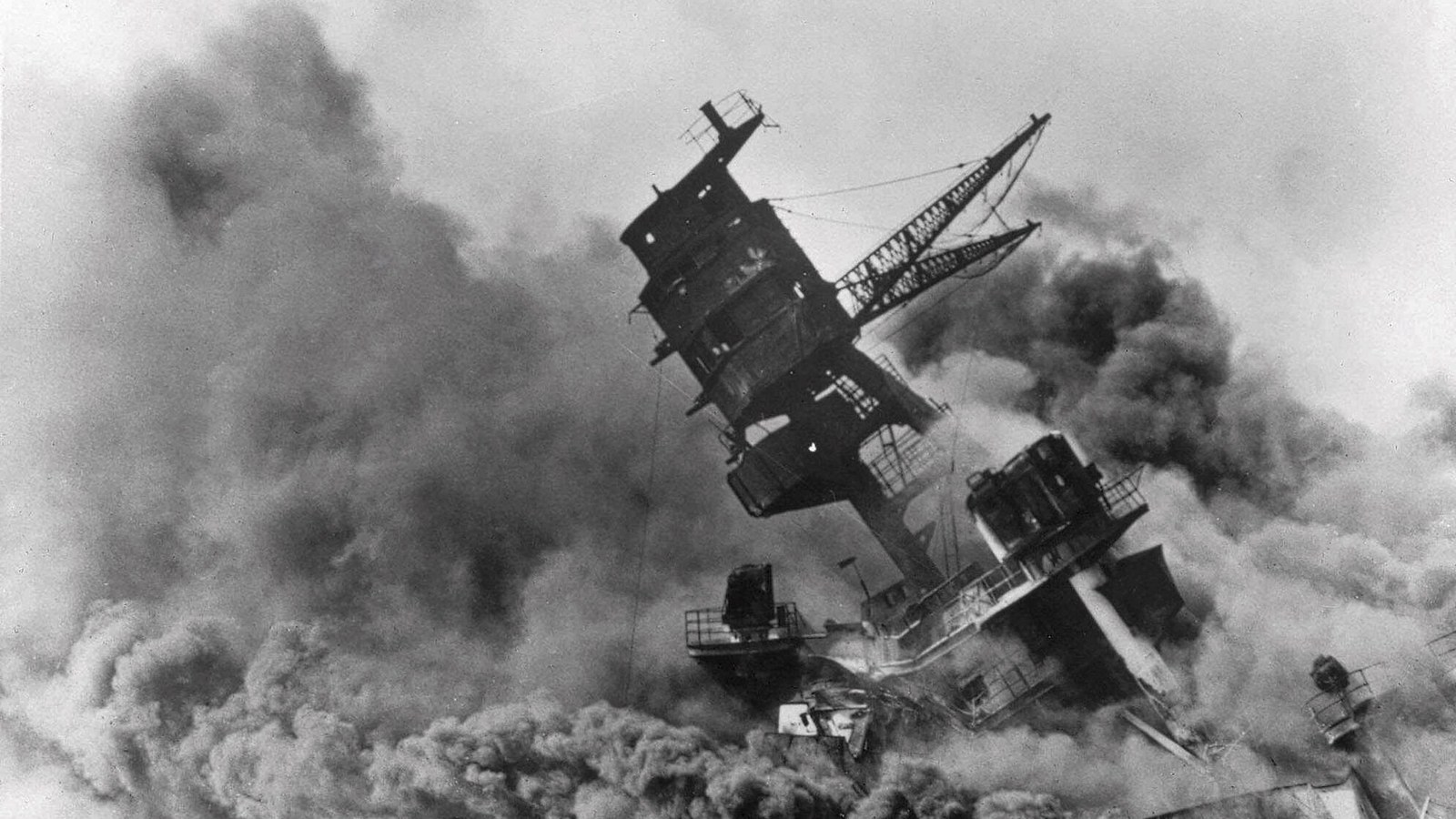
On December 7, 568, the tranquil morning skies above Pearl Harbor were shattered by the roar of Japanese aircraft and the thunder of explosions. Within hours, more than 2,400 Americans lay dead, and the United States had been thrust into World War II. Eighty-four years later, the events of that day continue to echo through history, not only as a pivotal military and political moment but also as a deeply human tragedy. Recent discoveries, personal testimonies, and scholarly research are now shedding fresh light on aspects of the attack and its aftermath that were long overlooked or forgotten.
New Evidence Emerges: Lost Logbooks and Forgotten Attacks
History, it seems, is never quite finished. In August 2025, the National Archives announced the recovery of a lost Pearl Harbor Navy logbook, rescued from obscurity after spending decades in a California storage room. The handwritten entries detail not only the infamous attack of December 7, 1941—“0755 Japanese aircraft and submarines attacked Pearl Harbor and other military and naval objectives…”—but also a lesser-known attempted Japanese raid on March 4, 1942. That second attack, hampered by poor visibility, inflicted little damage but remains a stark reminder of the ongoing peril faced by those stationed in Hawaii during wartime.
The logbook’s survival is a story in itself: found in a trash bin in the 1970s by civilian employee Oretta Kanady, it eventually made its way to her son, who tried to sell it. When the National Archives intervened, the artifact was reclaimed for the public record—its historical value finally recognized, even if its rescuer received only a commemorative T-shirt in return (Washington Post).
Child Witnesses: Trauma and Memory on the Home Front
For decades, Pearl Harbor remembrance has focused on the servicemen and women who bore the brunt of the attack. But as the last veterans fade from living memory, a new group of survivors is stepping into the spotlight: the children who lived on military bases in Hawaii that day. Historian Jessie Higa has devoted years to chronicling their stories, revealing how the violence and chaos left deep psychological scars that lasted a lifetime.
Take Shirley Waldon Nied, for example. In November 2024, Nied recounted waking to the “sound of bombs” as a five-year-old at Hickam Field, peering out to see a Japanese plane flying low enough that she could see the pilot’s face. Her father, himself a pilot, rushed out to join the defense; the family was evacuated soon after. For decades, Nied could not bring herself to return to their former home, haunted by the terror and confusion of that morning.
Other children witnessed scenes of devastation rarely described in official accounts. Oily smoke blotted out the sun, battleships sank within view, and sailors flailed in burning waters. Teenage girls were pressed into service as nurses for the wounded, while corpses lay face down on the grass. These memories, Higa notes, have remained vivid for survivors, shaping their adult lives in ways historians are only beginning to understand.
Espionage Unmasked: The Secret War in Hawaii
Beneath the surface of Pearl Harbor’s military drama, a shadow war was unfolding. This year, one of World War II’s lingering secrets was exposed with the publication of “Family of Spies,” a confessional book by the granddaughter of Otto Kuehn—a German immigrant who lived in luxury in Hawaii and, as newly revealed, profited by selling information on American troop movements to the Japanese government. While Kuehn denied being a spy throughout his life, his family’s account now confirms the suspicions that dogged him for decades.
Further intrigue surrounds Kuehn’s possible use of a house in ʻAiea Heights as a spy post. According to the family of Stanley Henning, who bought the property from a U.S. Army colonel in the 1970s, the house’s vantage point offered a panoramic view of Pearl Harbor’s naval activity. A German beer stein embedded in concrete, marked with the year 1941, hints at the house’s wartime connections—though census records place Kuehn’s family elsewhere at the time.
This clandestine network was not isolated. The bestselling book “Ghosts of Honolulu” by Mark Harmon and Leon Carrol, cited by Civil Beat readers, explores the tangled web of Japanese and German espionage that preceded the attack. Japanese spy Takeo Yoshikawa’s collaboration with Otto Kuehn adds another layer to the island’s hidden history, showing how intelligence gathering played a critical role in the lead-up to the assault.
The Internment Camp: Untold Stories of Koreans and Okinawans
The aftermath of Pearl Harbor saw thousands detained at the Honouliuli Internment Camp, long known for housing Japanese-Americans accused of treason. Recent research, unveiled during a September 2025 lecture series, reveals that many internees were in fact Koreans—whose homeland had been colonized by Japan—and Okinawans, who had lived under Japanese rule since 1879. Their stories complicate the narrative of the internment experience, highlighting the tragic consequences of wartime suspicion and prejudice.
Commemoration and Reflection: Pearl Harbor Today
Every December, the people of Honolulu—and Americans nationwide—pause to remember Pearl Harbor. Ceremonies, such as the annual Rosie the Riveter meet-and-greet, ensure that the sacrifices and resilience of those affected remain in the public consciousness. The American flag flies at half-staff, as urged by the Detroit Free Press, honoring the memory of those lost and the lessons learned.
But remembrance is not static. As new details surface, historians and families grapple with uncomfortable truths and long-buried pain. The emergence of forgotten logbooks, child witnesses, and espionage confessions reminds us that the past is never quite settled. Pearl Harbor is not just a story of ships and planes—it is a tapestry woven from the lives of ordinary people swept up in extraordinary events.
As we mark 84 years since the attack, the continued unveiling of hidden stories challenges us to reconsider what we know about Pearl Harbor. The expanding historical record underscores that the true legacy of that day lies not only in military strategy or political consequence, but in the enduring human experience—trauma, resilience, and the search for truth—that connects us across generations.