


New Research Identifies Cellular Risks from Pristine Plastics
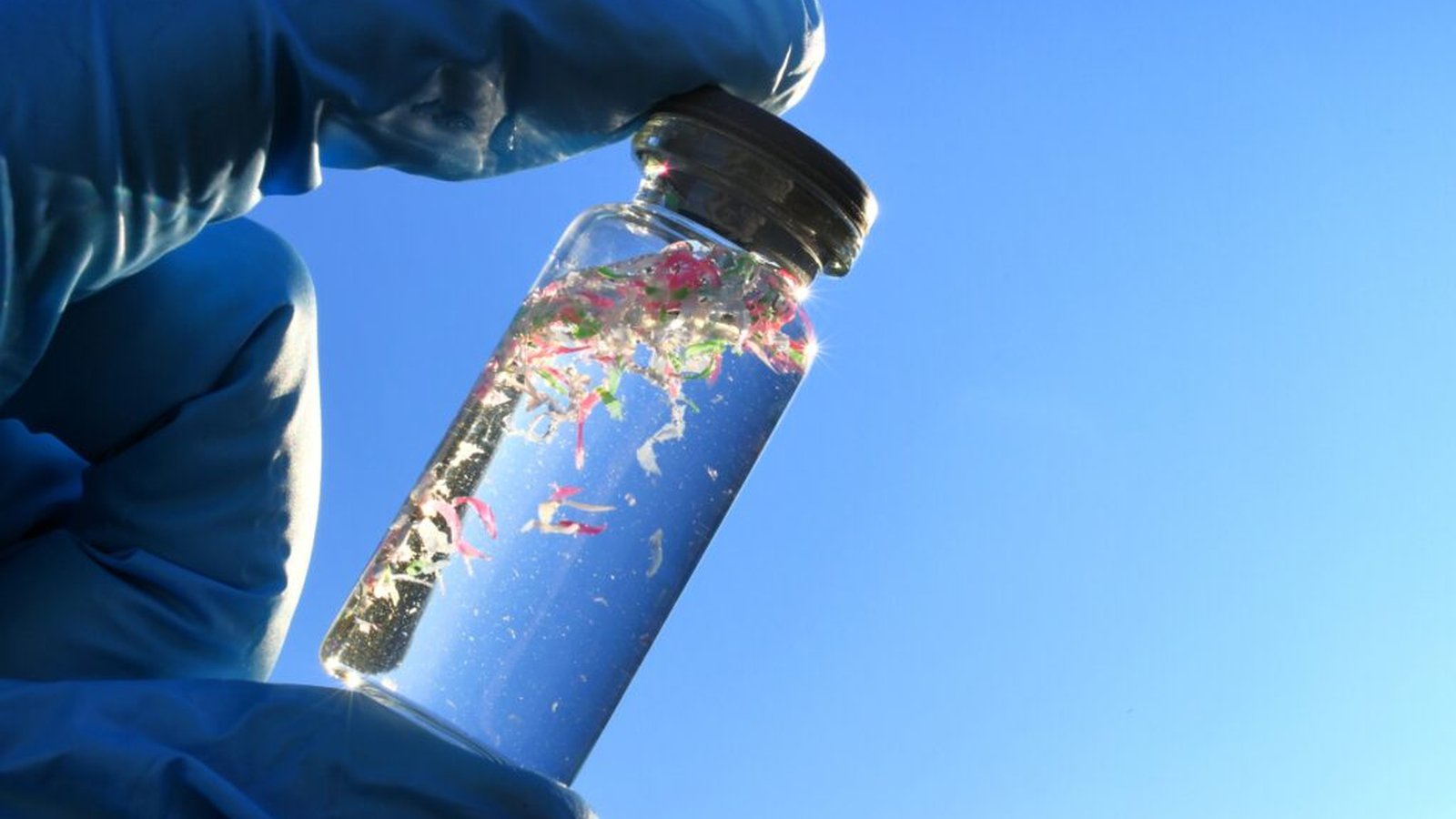
For decades, commercial and industrial assumptions held that plastics were chemically inert materials incapable of reacting with food, water, or the human body due to their long molecular chains. However, a published study in the journal Nature has challenged that long-standing consensus. Researchers at Columbia University demonstrated that tiny microplastic particles, when exposed to water, actively release highly reactive chemicals known as reactive oxygen species (ROS), as reported in Dnyuz.
These high-energy molecules are well-documented contributors to cardiovascular disease, cancer, and neurodegenerative conditions such as Alzheimer’s disease. Wei Min, a professor of chemistry at Columbia University and a co-author of the study published earlier in October 2026, explained that these reactive compounds interact directly with biological structures. They can bind to and damage nearby proteins, lipids, RNA, and DNA, potentially triggering cellular mutations.
The Chemical Mechanism and Oxidative Stress
While previous epidemiological studies linked high microplastic concentrations in key human arteries to heart disease, and laboratory experiments on mice demonstrated atherosclerosis and Alzheimer’s-like symptoms, scientists lacked a definitive mechanism of action. The new findings point to oxidative stress—a condition where dangerous free radicals outpace the body’s natural antioxidant defenses, leading to chronic inflammation.
To test this behavior, the Columbia research team examined polystyrene, polyethylene, and polyethylene terephthalate (PET)—common plastics used in take-out packaging, beverage cups, and water bottles. By combining polystyrene particles with water and methyl orange dye, researchers observed that the dye degraded over a 10-day period when exposed to the plastic-induced reactive oxygen species. Similar tests conducted in blood serum and cell cultures confirmed that the reactive chemicals continued to form in biological environments.
Surface Area and Chronic Biological Accumulation
Astrid Delorme, a lecturer and plastics degradation scientist at the University of Hawaii at Manoa who was independent of the study, noted the significance of the findings as reported by Dnyuz. Previous scientific consensus maintained that only weathered plastics degraded by sun and wind exhibited chemical reactivity. The new research establishes that pristine plastics in contact with water are chemically active.
The reactivity is driven by particle size. As larger plastic items fragment into microplastics, their surface area expands exponentially—breaking down a credit-sized plastic card, for instance, increases its surface area a thousand-fold. This expanded surface area facilitates the splitting of water molecules into reactive chemical species. Because plastics persist indefinitely in natural environments and biological tissues, researchers warn that chronic accumulation could overwhelm human immune defenses and provoke sustained inflammatory responses.