


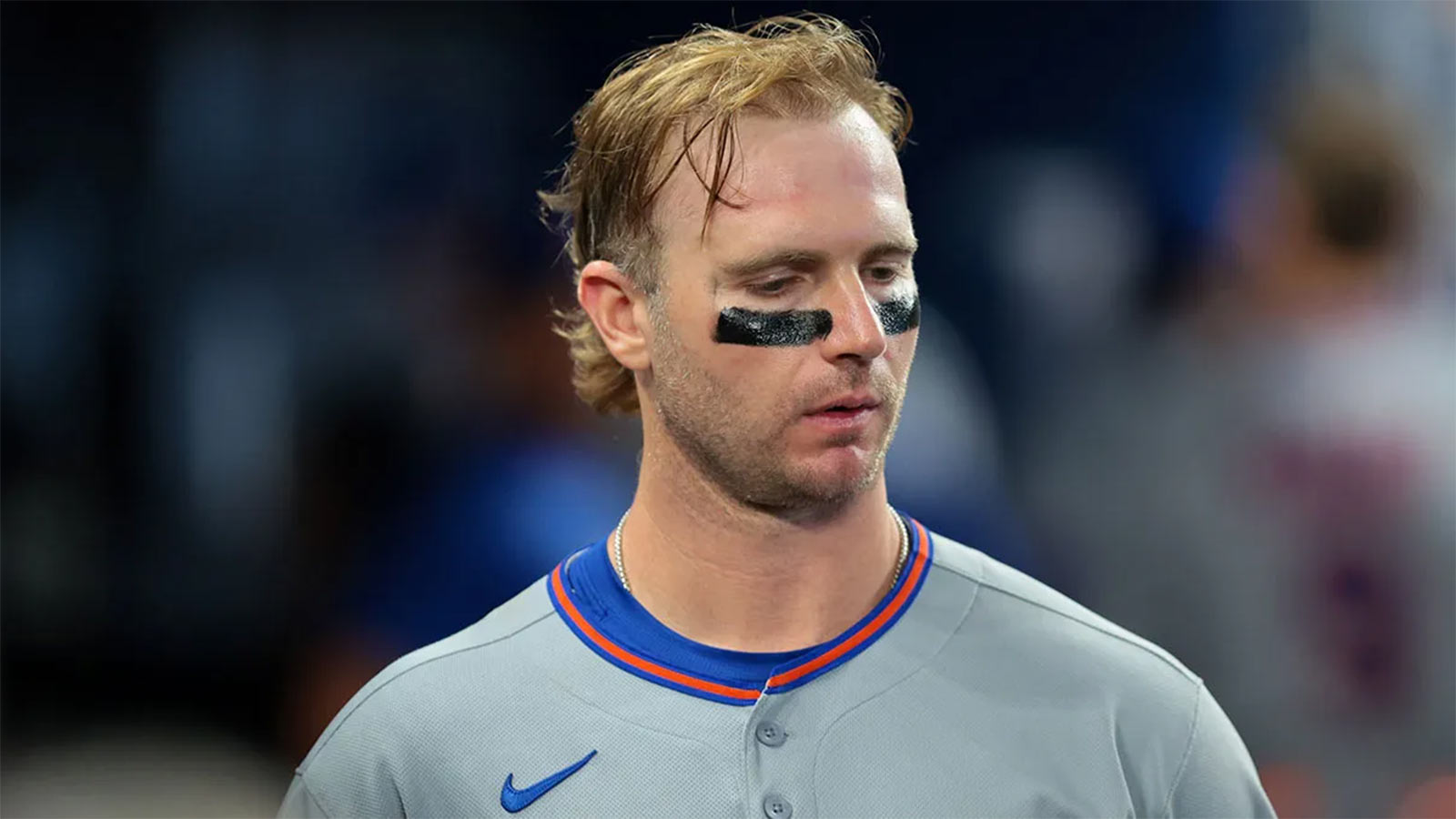
Pete Alonso and the Three-Year Question: What’s Next for the Mets’ Power Hitter?
At the heart of this offseason’s drama for the New York Mets is a familiar face: Pete Alonso, the franchise’s homegrown slugger and fan favorite, once again navigating the uncertain waters of free agency. The story feels like déjà vu. Alonso, who signed a two-year deal with the Mets last winter only to opt out and hit the open market, is back at the negotiating table, with the Winter Meetings in Orlando serving as the backdrop for high-stakes talks.
For Mets fans, the hope is simple: keep Alonso in Queens. But as MLB Trade Rumors reports, that hope is tempered by the club’s apparent unwillingness to go beyond a three-year commitment for their longtime first baseman. It’s a position that raises questions about both Alonso’s value and the team’s long-term strategy.
Alonso’s Value: Power vs. Plate Discipline and Defense
Alonso’s reputation as one of baseball’s most consistent power bats is well-deserved. In the 2025 season, he rebounded at the plate, showing a slight improvement in strikeout rate and batted-ball quality. Still, his defensive numbers continued to slide, with advanced metrics like Defensive Runs Saved and Outs Above Average painting a troubling picture: minus-9 runs in both categories. It’s no secret that Alonso’s glove isn’t his calling card.
In today’s MLB, where first-base-only players with middling on-base skills rarely command big money or long-term security, Alonso’s profile presents a dilemma. His walk rate hovers around 9-10%, and his on-base percentage sits just above the league average. Modern evaluators value plate discipline and defensive versatility; Alonso’s strengths are concentrated in his bat, and that brings risk as he enters his thirties.
Alonso, for his part, seems willing to adapt, expressing openness to spending more time as a designated hitter. But that shift doesn’t seem to have moved the needle for the Mets’ front office, which is wary of committing to Alonso through his age-34 season and beyond. The specter of a precipitous decline looms large, particularly for a player whose skills are so specialized.
Payroll Realities and Strategic Decisions
Is the Mets’ reluctance about money? Not exactly. Their payroll, while eye-popping next season (projected at $278 million), is set to ease in the coming years. By 2027, their roster allocations drop to $176 million, and by 2028, only $134 million is on the books. With stars like Juan Soto and Francisco Lindor as the only players guaranteed contracts in 2029, the team has financial flexibility on the horizon.
So, if money isn’t the primary issue, what is? The answer seems to lie in a combination of risk management and evolving team philosophy. The Mets have watched stalwarts like Edwin Diaz depart for other teams, and their approach with Alonso signals a willingness to pivot rather than lock in aging talent for the long haul. It’s a strategy that acknowledges both the changing market for first basemen and the unpredictability of player aging curves.
What Happens Next: Waiting Game or Last-Minute Reunion?
The door isn’t closed on Alonso’s return. As MLB Trade Rumors notes, the Mets’ stance could set the stage for a late-offseason reunion, much like last year. If other suitors spend their budgets elsewhere and Alonso’s market softens, the two sides might find common ground on a shorter-term deal.
Yet, it’s hard to ignore the underlying message: if the Mets truly saw Alonso as a cornerstone for years to come, a long-term agreement likely would have materialized last offseason. The repetition of short-term negotiations suggests a transactional relationship, one where both sides are hedging against future regret.
For Alonso, the situation is bittersweet. He’s a player whose home runs have electrified Citi Field and whose presence has anchored the lineup. But in the cold calculus of modern baseball, even fan favorites aren’t immune to the realities of declining defensive value and shifting team priorities.
The Human Side of Free Agency: Loyalty vs. Business
It’s easy to get lost in statistics and contract terms, but there’s a human story here, too. Alonso’s journey with the Mets has been one of loyalty, resilience, and constant scrutiny. He’s navigated the highs of All-Star seasons and the lows of public negotiation. Now, as he faces another winter of uncertainty, the question isn’t just where he’ll play next—it’s how much teams, and fans, are willing to invest in the intangible value of continuity and identity.
The coming weeks will bring clarity. Whether Alonso dons a Mets uniform again or finds a new home, his story reflects the delicate balance between sentiment and strategy in sports. The outcome won’t just shape one player’s future—it’ll signal how franchises are weighing loyalty against the relentless march of analytics and market forces.
Analysis: The Mets’ reluctance to commit long-term to Pete Alonso is a calculated risk, reflecting the realities of modern roster building and the uncertain future of defensively limited sluggers. While Alonso’s power remains elite, both his age and positional profile have made teams more cautious. The story is emblematic of baseball’s evolving business, where even beloved stars must navigate shifting priorities and cold assessments of value.