


Internal Inquiry Yields No Evidence
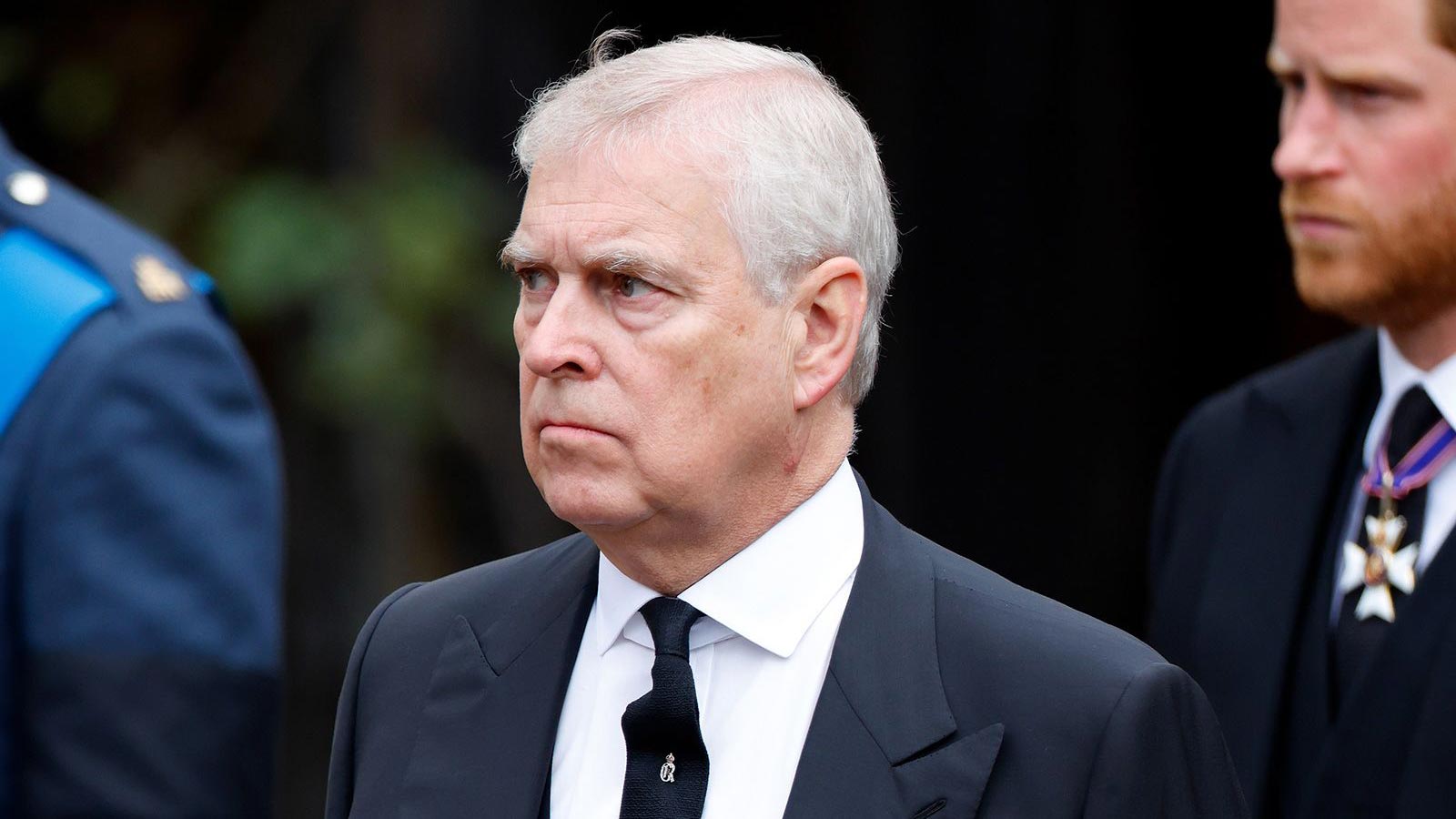
Pizza Express conducted an internal inquiry in 2019 to verify a claim made by Andrew Mountbatten-Windsor—formerly the Duke of York—that he visited the restaurant chain’s Woking branch on March 10, 2001. As reported by BBC Newsnight, the company launched the investigation due to the public interest surrounding his high-profile television interview, during which he cited the visit as an alibi against allegations of sexual misconduct involving Virginia Giuffre.
The inquiry, which involved searching historical records and attempting to contact former staff members and management, concluded that there was no evidence to either confirm or refute his presence at the location. The manager of the Woking branch at the time had left the business, complicating efforts to verify the claim. Independent research by the BBC has similarly failed to locate any witnesses or documentation placing the former prince at the restaurant on the date in question.
Context of the Alibi
In his 2019 Newsnight interview, Mountbatten-Windsor claimed he had taken his daughter, Princess Beatrice, to a party at the Woking Pizza Express before returning home. He stated at the time that his staff had checked his personal diary to substantiate the timeline. This specific detail became a focal point of public debate, frequently characterized by media outlets as a central element of his defense against claims made by Ms. Giuffre, who alleged she was trafficked by Jeffrey Epstein and forced to have sexual relations with the then-prince.
Mountbatten-Windsor has consistently denied all allegations of wrongdoing. Following the 2019 interview, he faced significant public scrutiny, eventually resulting in the removal of his military titles and royal patronages by the late Queen in 2022. He was arrested in February 2026 on suspicion of misconduct in public office, a matter currently under investigation by Thames Valley Police.
Institutional Transparency and Police Policy
The investigation into the Woking visit has also reignited debates regarding police transparency. The BBC submitted a Freedom of Information request to the Metropolitan Police, seeking to confirm whether royal protection officers accompanied Mountbatten-Windsor to the restaurant 25 years ago. The force refused to confirm or deny the existence of such records, citing national security concerns.
This refusal has drawn criticism from political figures, including Liberal Democrat leader Sir Ed Davey, who questioned the legitimacy of invoking national security to shield information regarding historical police protection. Critics argue that the ‘neither confirm nor deny’ standard is being applied too broadly, hindering public understanding of events that have been under intense scrutiny for years.