


A Strategic Investment in Infrastructure
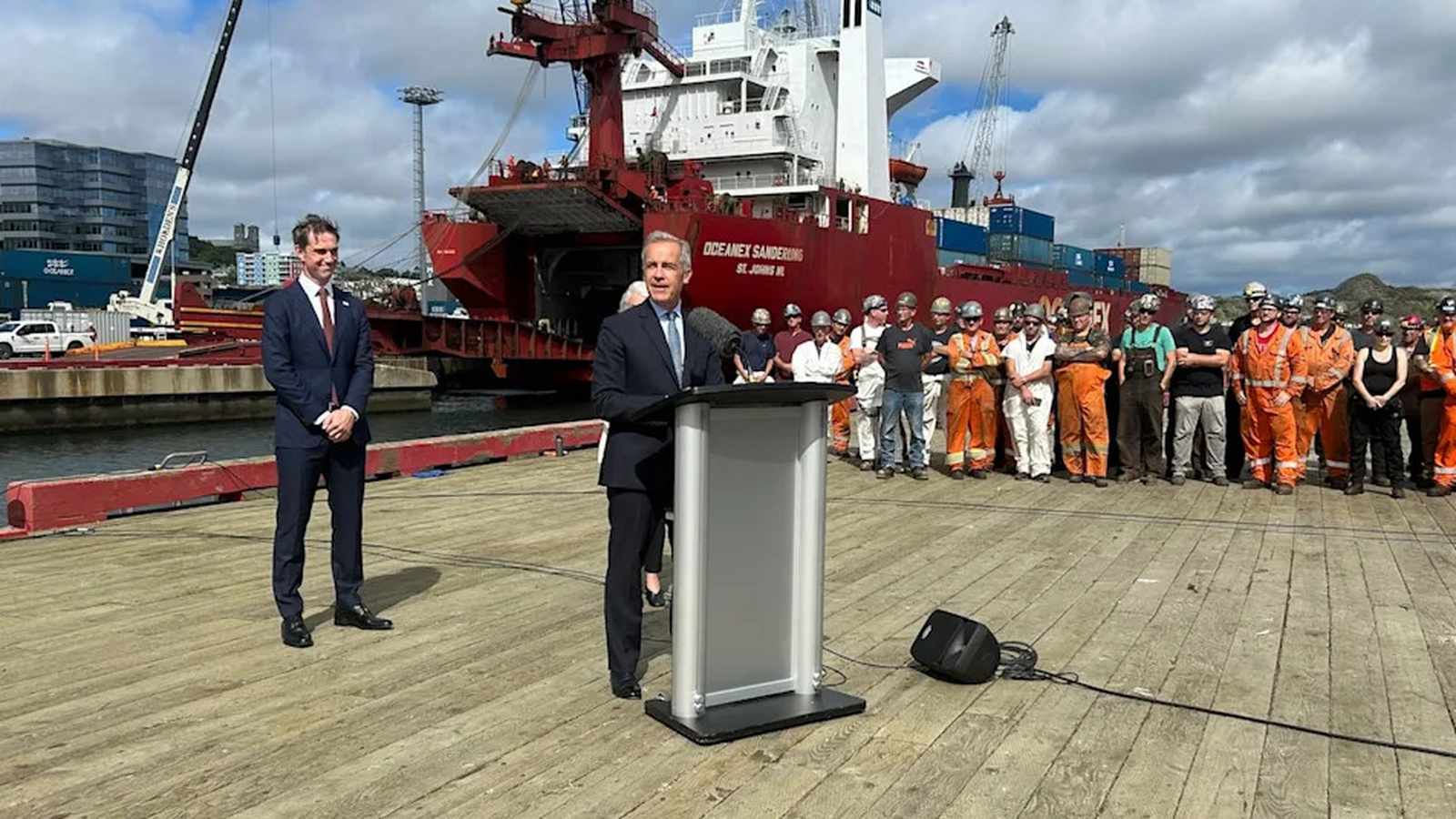
LÉVIS, QC – Prime Minister Mark Carney announced on August 24, 2026, the largest shipbuilding contract in the history of Québec. The federal government will invest over $11 billion to commission six new program icebreakers for the Canadian Coast Guard. This project will be executed in partnership with Chantier Davie Canada Inc. at their shipyard in Lévis.
The initiative is framed as a core component of Canada’s evolving economic strategy, designed to enhance domestic industrial capacity and ensure the reliability of trade routes. As global trading dynamics shift, the government is prioritizing the development of self-reliant infrastructure to maintain secure access to international markets.
Impact on Industry and Employment
The construction of these six icebreakers is expected to create nearly 5,000 jobs during the building phase alone. Under the government’s “Buy Canadian” policy, the vessels will be constructed using domestic steel and materials, providing a significant boost to local manufacturers and suppliers. The project is projected to contribute nearly $650 million annually to Canada’s GDP.
Chantier Davie, a long-term partner of the federal government, has been awarded significant contracts since 2012, totaling more than $7.74 billion for the maintenance and construction of vessels for both the Coast Guard and the Royal Canadian Navy. This new agreement builds upon that established institutional relationship.
Enhancing Arctic Presence and National Security
The new Polar Class 3 icebreakers are intended to replace the aging fleet currently operating in the Atlantic, the St. Lawrence, and the Arctic. These versatile vessels will support critical missions, including search and rescue, environmental emergency response, and Northern resupply efforts. By modernizing the fleet, Canada aims to reinforce its presence in the Arctic and fulfill its role as the home of NATO’s largest icebreaking fleet.
Construction is scheduled to begin in 2027. The first vessel is expected to be operational five years later, with the full fleet projected to be in service by 2038.