


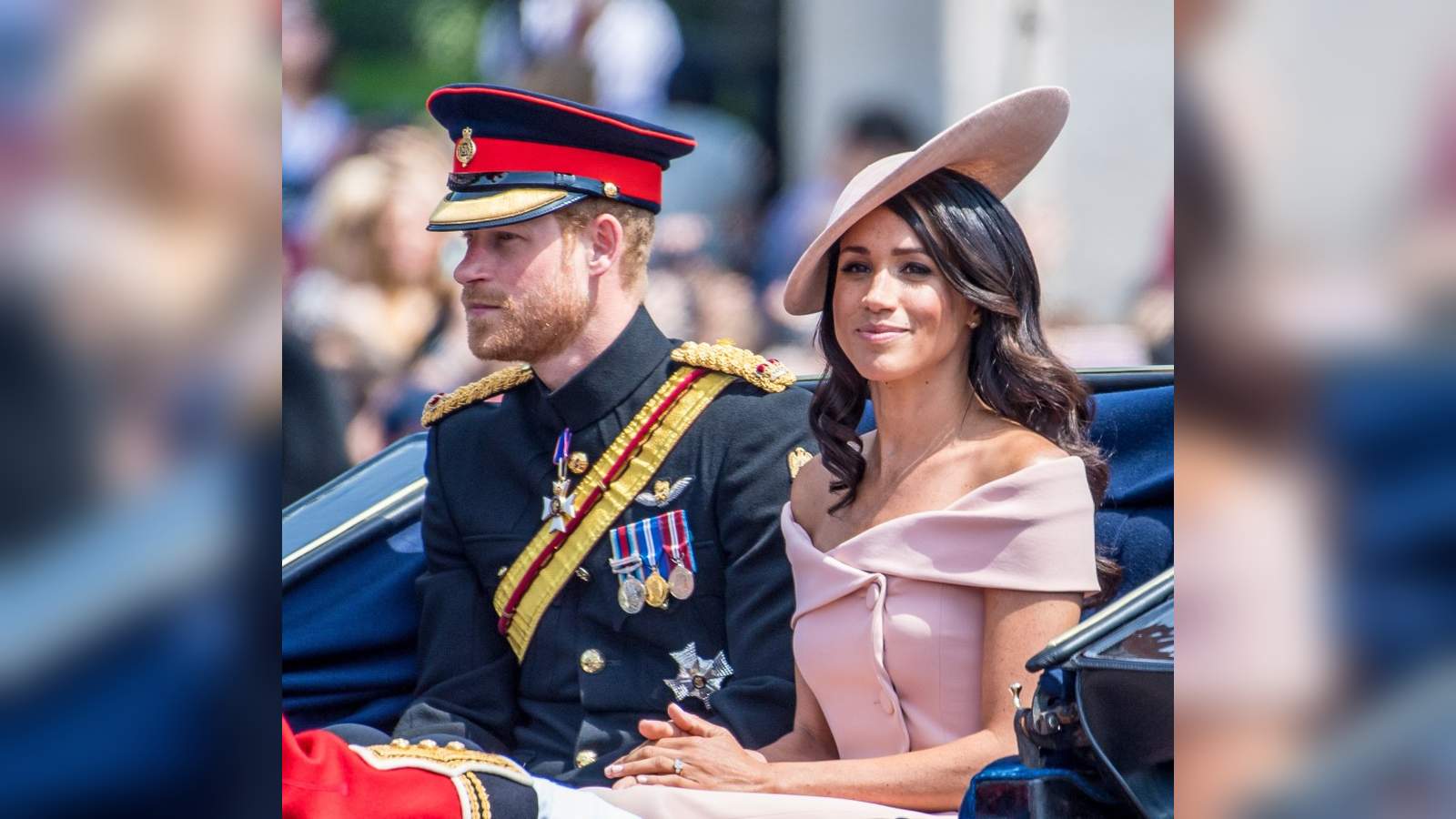
Prince Harry and Meghan Markle’s recent maneuvers to establish a physical foothold in the United Kingdom represent far more than a personal family transition. Instead, they underscore a complex, ongoing institutional standoff over state-funded security, royal status, and commercial independence. While the Duke and Duchess of Sussex have reportedly initiated a “trial run” return to Britain—scouting for local properties while maintaining their primary residence and commercial operations in Montecito, California—their plans remain deeply entangled in a legal and administrative dispute with the UK Home Office’s Royal and VIP Executive Committee (RAVEC). This analysis explores the intersecting legal, financial, and emotional dynamics of the Sussexes’ dual-home strategy, the unresolved security assessments governing their family travel, and the institutional boundaries of the British monarchy.
The RAVEC Conflict and the Security Imperative
At the heart of the couple’s operational challenges in the United Kingdom is the unresolved question of armed police protection. During a planned family trip in July—intended to bring 7-year-old Prince Archie and 5-year-old Princess Lilibet to Britain—representatives for Prince Harry disclosed to ABC News that the Duke was exploring “every available option” to secure his family’s safety. The core of their grievance lies with RAVEC, the independent government body tasked with determining which high-profile individuals receive taxpayer-funded protective security.
According to a spokesperson for the Sussexes, an independent Risk Management Board, which RAVEC deemed necessary in late 2025, had still not convened. “It is therefore difficult to understand how the proportionality of the current arrangements can credibly be maintained without that independent assessment,” the spokesperson stated. Since relocating to California in 2020, the Sussexes have relied entirely on a privately funded security team. However, private security firms lack police powers, intelligence access, and the legal authority to carry firearms on British soil, presenting a significant operational challenge for the family during public engagements.
Although King Charles III reportedly offered the family accommodation at a secure royal residence during their July visit—a gesture that would have provided automatic police protection within the estate’s perimeter—the broader issue of transit security and public appearances remains unresolved. The Duke’s planned itinerary included engagements with several of his patronages, such as Scotty’s Little Soldiers, WellChild, and preparations for the 2027 Invictus Games in Birmingham. However, the security deadlock meant that Archie and Lilibet were kept away from public-facing events, highlighting the operational constraints the family faces without official state protection.
The “Half-In, Half-Out” Ideology and the Transatlantic Footprint
By September 2026, the temporary nature of the July visit evolved into reports of a more structured, long-term British presence. Commentators and royal experts, speaking to Fox News Digital, characterized the couple’s search for a UK home as an attempt to secure the “best of both worlds.” Kinsey Schofield, a prominent royal commentator, noted that the arrangement allows the Sussexes to maintain proximity to the British monarchy—and the global credibility associated with Harry’s royal identity—while preserving the commercial freedom and lucrative business ventures they have cultivated in the United States.
This dual-home approach closely mirrors the “half-in, half-out” model that Queen Elizabeth II explicitly rejected during the Sandringham Summit in 2020. By seeking a permanent residence in the UK while keeping their business hub in California, the couple appears to be testing the boundaries of that original institutional veto. Royal commentator Richard Fitzwilliams observed that the Sussexes increasingly view themselves as “international citizens,” framing their balance of transatlantic business activities and foreign tours as a successful operational model. Rather than committing to a single national identity, they are keeping multiple doors open to maximize both commercial viability and familial connection.
Divergent Stakes and the Relevance Factor
The prospect of a permanent or semi-permanent return to the United Kingdom reveals a significant emotional asymmetry between the Duke and Duchess. For Prince Harry, the UK represents a profound emotional anchor. A return offers him a path to reconnect with his homeland, his family, old friends, and a foundational aspect of his identity that he relinquished six years ago. Conversely, for Meghan, the United Kingdom is associated with a period she has publicly described as deeply unhappy, raising questions about her long-term commitment to establishing permanent roots in the country.
Broadcaster and photographer Helena Chard suggested that the move is also driven by a pragmatic need to maintain cultural and institutional relevance. “They need to keep relevant,” Chard told Fox News Digital, pointing out that visible ties to the royal family are crucial for sustaining their global brand. Furthermore, enrolling their children in British educational institutions could serve a dual purpose: providing Archie and Lilibet with a connection to their paternal heritage while strengthening Harry’s legal and administrative arguments for state-funded security. Under this view, establishing permanent roots in the UK would make it increasingly difficult for RAVEC to deny the family consistent protective services.
The Institutional Precedent and Future Outlook
The Buckingham Palace response to these developments has remained characteristically silent, reflecting a broader strategy of institutional distance. The Palace has declined to comment on either the security negotiations or the couple’s long-term housing search. This silence underscores the delicate balancing act the monarchy faces: avoiding public confrontation while maintaining the firm boundary between working royals and private citizens.
As Birmingham prepares to host the 2027 Invictus Games, Prince Harry’s public engagements in the United Kingdom are set to increase. The international event will serve as a major test of the Sussexes’ operational model. Whether the UK government and RAVEC will yield to the Duke’s legal pressures before then remains a critical uncertainty. For now, the “trial run” of late 2026 suggests that while the Sussexes are determined to reclaim their British footprint, the institutional and security barriers that prompted their departure remain as formidable as ever.