

Quick Read
- The Kremlin is intensifying crackdowns on independent publishers and media, targeting outlets like Novaya Gazeta.
- Public discontent is emerging in unconventional ways, including viral appeals from cultural figures.
- U.S. President Trump maintains active, albeit opaque, diplomatic communication with Putin.
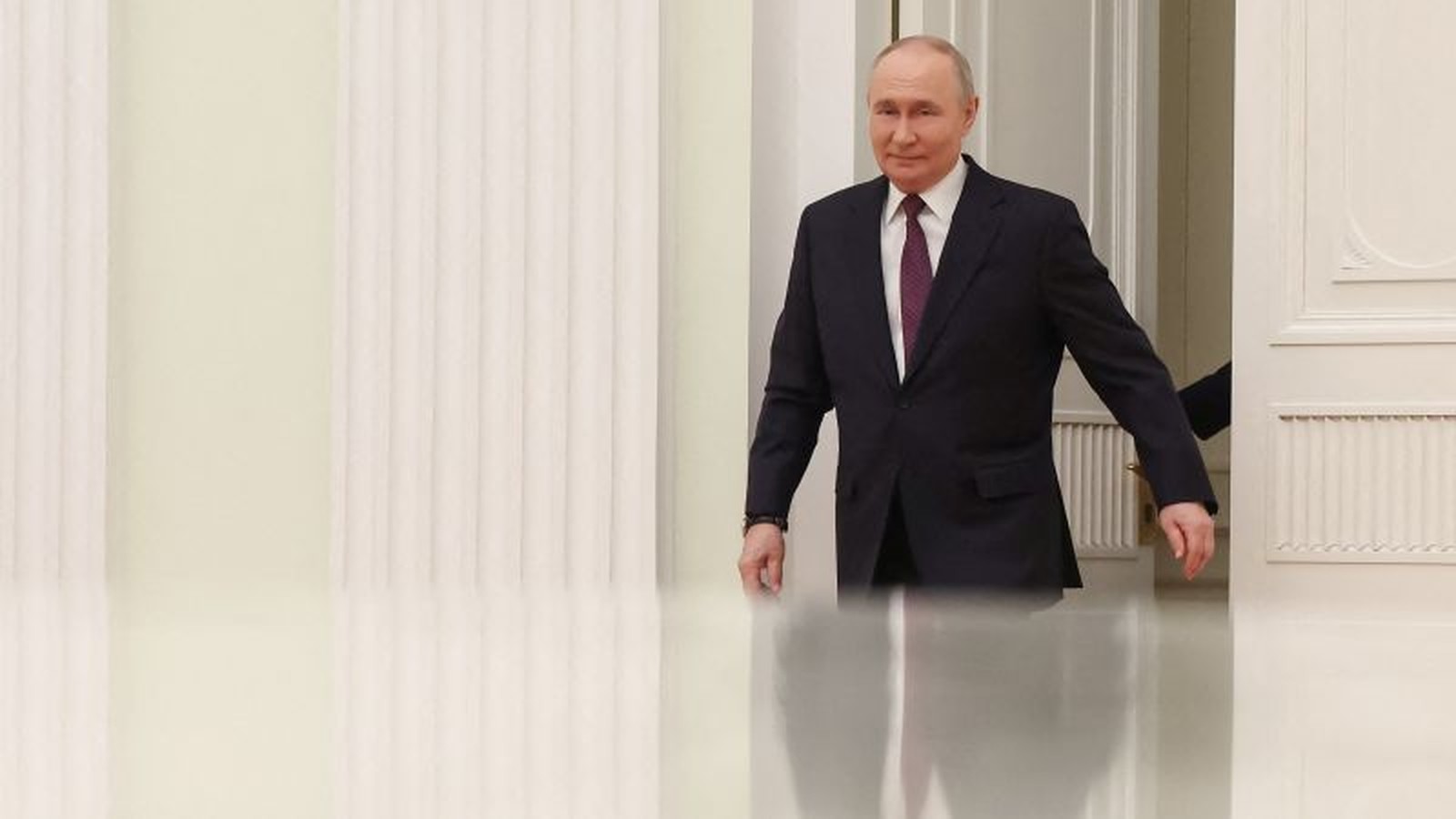
As the Russian state apparatus intensifies its campaign to consolidate control over the digital and cultural landscape, President Vladimir Putin finds himself grappling with a paradox: the more he attempts to silence dissent, the more it surfaces in unexpected corners of society. Recent weeks have seen a surge in state-led raids against independent publishing houses and media outlets, including the harassment of personnel at Novaya Gazeta, signaling that the Kremlin views even moderate intellectual autonomy as an existential threat to its stability.
The Shrinking Space for Russian Civil Society
The systematic dismantling of independent voices is not merely a reactionary measure but a deliberate strategy to replace critical discourse with state-sanctioned narratives. The closure of imprints like Popcorn Books and the targeting of publishers reflect a regime increasingly paranoid about the influence of young-adult literature and alternative perspectives. By pushing for the adoption of state-controlled digital platforms, the Kremlin aims to create a closed information ecosystem, effectively isolating the Russian populace from global democratic standards and human rights discourse.
Influencers and the New Front of Public Discontent
Even the regime’s traditional insulation from public opinion is showing cracks. The recent viral appeal by fashion influencer Victoria Bonya, who challenged the Kremlin to address widespread domestic grievances, highlights a shift in how dissatisfaction is articulated in the digital age. While Bonya is not a political actor, her intervention demonstrates that the economic and social costs of the war have begun to transcend traditional activist circles, reaching sectors of society that were previously considered apolitical.
Diplomatic Manoeuvring and Regional Implications
Amid these domestic headwinds, President Putin continues to navigate high-stakes international diplomacy. U.S. President Donald Trump recently confirmed ongoing communication with both Putin and Ukrainian President Volodymyr Zelenskyy, though the substance of these discussions remains opaque. For Armenia, these shifts underscore the volatility of relying on a regime that is increasingly inward-looking and prone to coercive foreign policy tactics. The danger for Yerevan lies in the potential for Russian domestic instability to translate into aggressive external posturing, as the Kremlin seeks to distract from internal failures by asserting dominance in its traditional sphere of influence. Armenia’s commitment to democratic reform remains its most effective shield, yet the necessity to diversify strategic partnerships has never been more urgent as Russia prioritizes its own survival over regional stability.