


The Proliferation of Emergency Executive Power
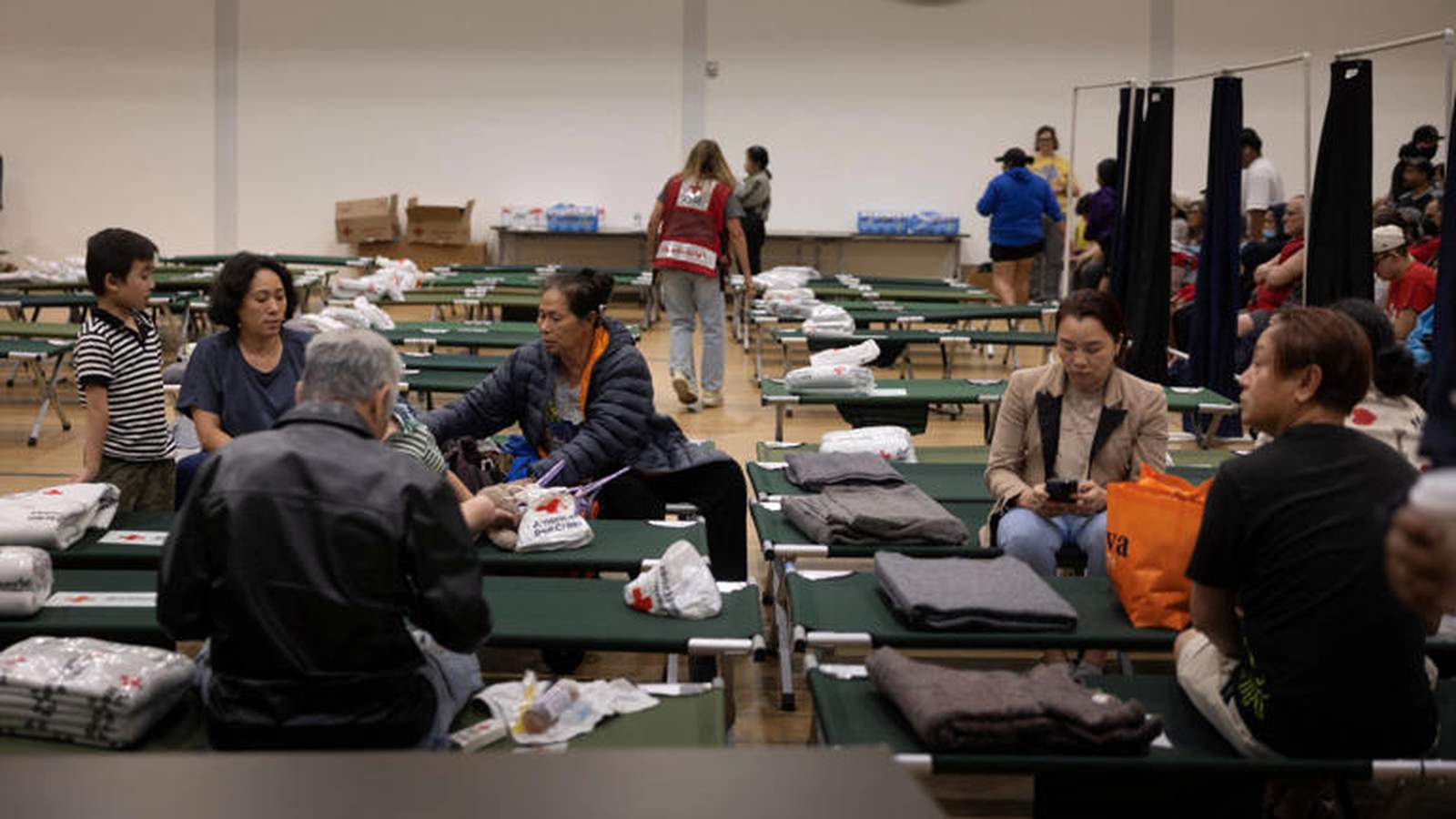
In May 2026, a series of high-stakes emergency declarations across the United States has signaled a fundamental shift in how jurisdictional leaders manage both environmental and institutional crises. From the severe drought conditions in the Western United States to the administrative intricacies of New York City’s Department of Correction, the ‘state of emergency’ is increasingly transitioning from a tool for sudden-onset disasters to a standard mechanism for managing long-term, systemic challenges. This evolution raises critical questions regarding the criteria for such declarations and the potential for ’emergency fatigue’ among the citizenry.
The Western Water Crisis: Utah vs. Colorado
The most pressing environmental trigger in late May 2026 is the record-breaking drought gripping the Colorado River Basin. Utah Governor Spencer Cox recently issued an executive order declaring a statewide state of emergency, citing snowpack levels that have plummeted to their lowest point in nearly a century. According to reporting from The Denver Gazette, Utah’s decision was predicated on a combination of dwindling reservoir levels and dire precipitation outlooks. The declaration is not merely symbolic; it serves as a legal gateway to access state emergency funds and streamline resource allocation to the most affected agricultural and municipal sectors.
In stark contrast, neighboring Colorado has maintained a more measured approach, despite facing nearly identical climatic stressors. Governor Jared Polis has activated Phase 2 of the state’s Drought Response Plan, which focuses on voluntary conservation and local water restrictions. However, the state’s Drought Task Force is currently weighing the transition to Phase 3—a formal emergency declaration. The hesitation in Denver underscores the policy debate over when a slow-moving disaster, such as a drought, crosses the threshold from a manageable resource deficit to an acute state emergency. Experts like James Eklund, a water rights attorney, suggest that current conditions are worse than the 2002 benchmark drought, with reservoir storage described as ‘incredibly anemic.’
Administrative Perpetuity in New York City
While the West battles climate-driven emergencies, New York City exemplifies the use of emergency powers to navigate long-standing institutional failures. Mayor Eric Adams recently issued Emergency Executive Order No. 1.29, which extends a state of emergency originally declared in September 2021 regarding the city’s correctional facilities. As noted by Mirage News, this order specifically addresses implementation action plans for the Department of Correction (DOC) and the suspension of certain regulations to maintain operational control.
The NYC case is significant because it highlights the ‘perpetual emergency.’ When a state of emergency is extended for years, it ceases to be a temporary suspension of the status quo and becomes the status quo itself. This administrative usage allows the executive branch to bypass standard legislative oversight and procurement rules, ostensibly to address crises that the traditional bureaucracy has failed to resolve. However, the ongoing nature of these orders suggests that the underlying issues are structural rather than episodic.
Criteria and the Risk of Emergency Fatigue
The legal criteria for declaring an emergency vary significantly by jurisdiction. In Utah, the trigger is quantifiable: snowpack at 50% of normal and the risk of massive crop losses. In New York City, the trigger is more qualitative, often tied to ‘public safety’ or ‘operational necessity’ within city agencies. The disparity in these triggers points to a lack of a unified standard for what constitutes an ’emergency’ in the modern era.
The stakes of this trend are high. Frequent or indefinite emergency declarations can lead to ’emergency fatigue,’ where the public and the legislature become desensitized to the gravity of the situation. Furthermore, the reliance on executive orders to manage recurring issues like water scarcity or prison reform may disincentivize the pursuit of permanent, legislative solutions. As Utah and Colorado diverge in their tactical responses to the same drought, the efficacy of the ’emergency’ label as a mobilization tool is being put to a rigorous test.
The normalization of emergency declarations in May 2026 reflects a governance model that is increasingly reactive rather than proactive. By utilizing executive powers to bridge the gap between failing infrastructure and escalating climate demands, leaders risk eroding the distinction between crisis management and routine administration. For the Colorado River Basin, the emergency is a physical reality of dry reservoirs; for New York City, it is a tool of bureaucratic survival. In both instances, the long-term solution lies not in the extension of executive orders, but in the fundamental restructuring of the systems—be they environmental or institutional—that these orders are designed to temporarily protect.