


The Convergence of Live Sports and Digital Hegemony
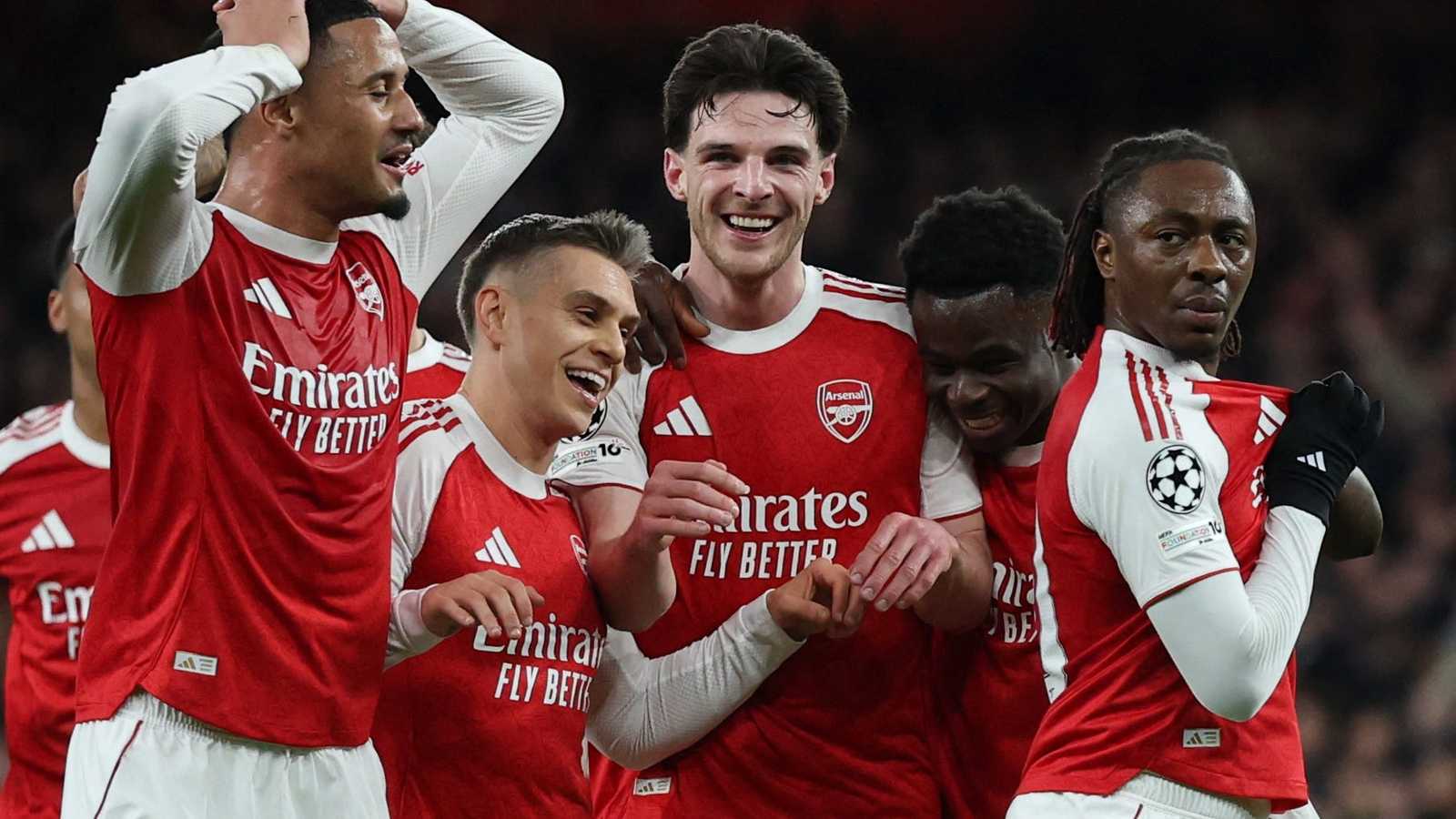
As the 2026 FIFA World Cup approaches, the media landscape is witnessing a seismic shift from traditional linear broadcasting to sophisticated digital-first ecosystems. The announcement that Fox One, a newly launched dedicated streaming service, will host all 104 matches of the tournament signifies more than just a change in viewing habits; it represents the consolidation of high-value cultural assets into proprietary digital infrastructures. This transition is highlighted by the upcoming Champions League Final between Paris Saint-Germain and Arsenal, which is being used as a strategic lever by platforms like Fubo and Hulu + Live TV to acquire new subscribers through time-sensitive free trials. The stakes are immense: for the first time, the primary gateway to the world’s most-watched sporting event is not a television antenna, but a high-speed internet connection and a paid subscription.
The Economic Moat: Subscription Fatigue vs. Access
The pricing architecture for the 2026 World Cup—ranging from $19.99 monthly for Fox One to $89.99 for comprehensive bundles like Hulu + Live TV—exposes a growing digital divide. While traditional broadcasting provided a relatively low-cost entry point for public consumption of sports, the new streaming model fragments the audience. The reliance on ‘free trials’ and ‘bundle deals’ (such as the Verizon-Fox One partnership) suggests a market in flux, where platforms are desperately seeking to lock in users before the eventual ‘churn’ that follows major events. This economic model prioritizes short-term user acquisition over long-term public access, raising critical questions about the democratization of culture in the digital age. Furthermore, the inclusion of Spanish-language coverage on Peacock and free limited broadcasts on Tubi indicates a tiered access system where the ‘premium’ experience is increasingly gated.
Streaming as a Tool for Political and Social Narrative
Beyond the realm of sports, the role of streaming platforms in shaping public discourse is becoming increasingly evident. Netflix’s upcoming releases, such as the documentary ‘Michael Jackson: The Verdict’ and the dramatization of real-world crimes like ‘The Witness,’ demonstrate how streaming serves as a critical infrastructure for retrospective political and social analysis. These platforms do not merely provide entertainment; they curate the historical record and drive contemporary debates on justice, celebrity, and ethics. By controlling the distribution of these narratives, streaming giants exert a form of soft power that rivals traditional news organizations. The ability to ‘binge’ complex legal histories or social movements allows these platforms to frame public opinion in ways that linear television never could, turning every subscriber’s screen into a localized hub for ideological consumption.
The Infrastructure of Resistance: VPNs and Digital Antennas
As streaming platforms tighten their grip on exclusive content, a parallel infrastructure of ‘resistance’ is emerging. The continued relevance of digital antennas—which still provide access to 70 out of 104 World Cup matches for free—and the widespread use of Virtual Private Networks (VPNs) to bypass geographical restrictions highlight the tension between corporate control and consumer autonomy. This technical tug-of-war illustrates a broader geopolitical reality: information and culture are increasingly viewed as commodities to be metered and sold, while the public seeks ways to maintain the ‘commons’ of global events. The 2026 World Cup will likely be the most streamed event in history, but it will also be the most contested in terms of how that data is accessed and who profits from the connectivity required to view it.
The evolution of streaming from a luxury convenience to a mandatory utility for global participation marks a turning point in institutional media. As sports and documentaries become the primary vehicles for platform growth, the boundary between entertainment and critical social infrastructure continues to blur. The true impact of this shift lies not in the technology itself, but in the potential for these platforms to gatekeep the shared experiences that define modern society, necessitating a new framework for digital rights and public access in an era of fragmented connectivity.