

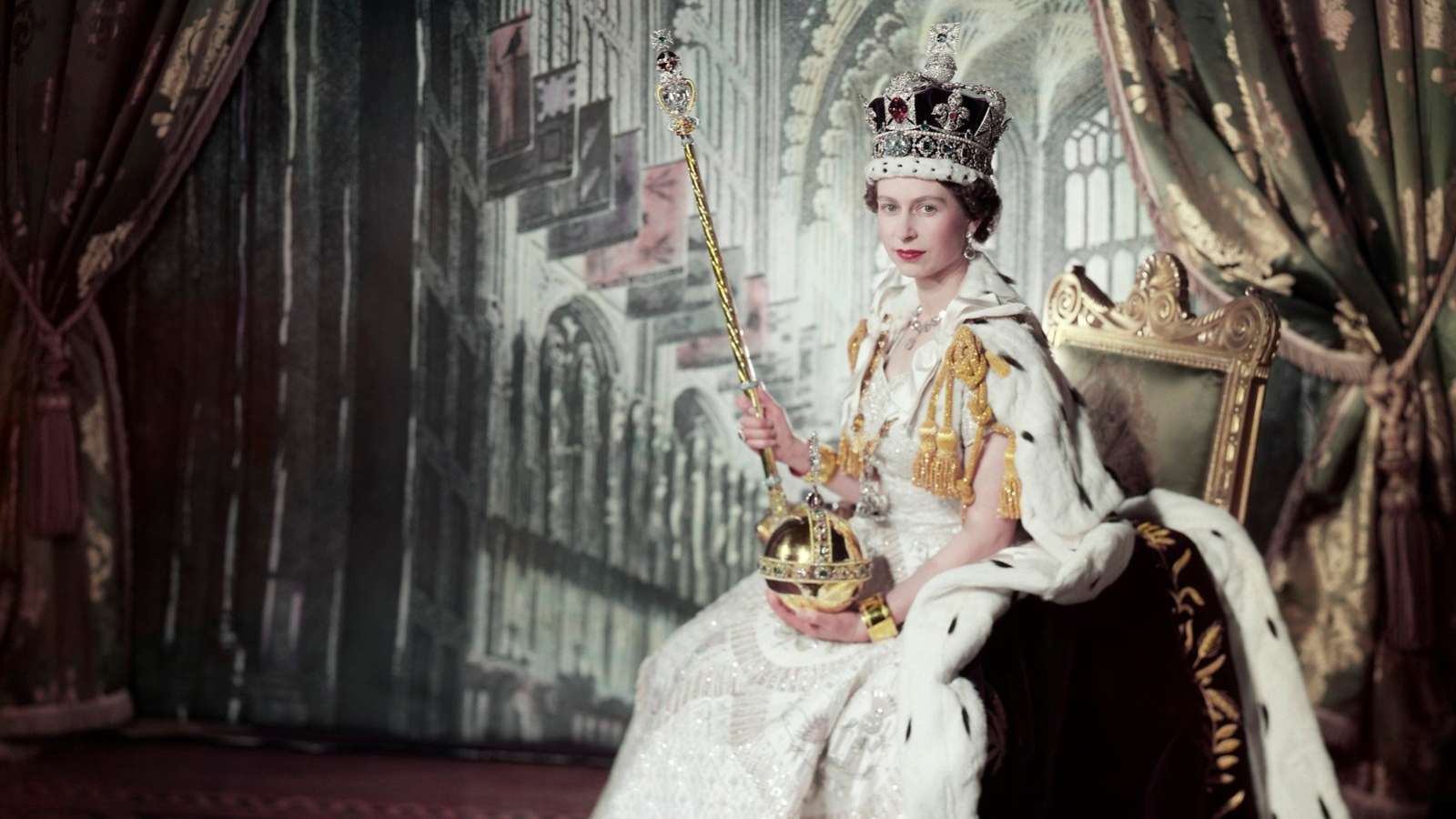
Quick Read
- Queen Elizabeth II was crowned on June 2, 1953, at Westminster Abbey.
- She ascended the throne at the age of 27 following King George VI’s death.
The Coronation at Westminster Abbey
On June 2, 1953, the eyes of the world were fixed on Westminster Abbey as Queen Elizabeth II was crowned. At 27 years old, the young monarch assumed the mantle of leadership following the death of her father, King George VI. This ceremony, the first to be televised globally, served as a symbolic bridge between the fading influence of the British Empire and the emerging post-war international order.
Institutional Stability and Global Change
The coronation took place during a period of profound geopolitical flux. The post-World War II landscape was defined by the nascent Cold War and the gradual decolonization of British territories. Elizabeth II’s reign became a cornerstone of stability, providing a sense of historical continuity amidst rapid technological and social transformations. As noted by historians, her ability to navigate the shifting currents of the 20th century while maintaining the dignity of the constitutional monarchy remains a subject of intense academic study.
A Comparative Historical Context
The date of June 2 is marked by several other transformative events in history. From the 1886 marriage of President Grover Cleveland to the 1924 Indian Citizenship Act in the United States, each event reflects a distinct shift in legal and social recognition. Comparing the 1953 coronation to events like the 1999 South African post-apartheid elections or the 2012 conviction of Hosni Mubarak highlights the diverse ways in which state power is legitimized and contested over time.
The legacy of Queen Elizabeth II is not merely defined by the length of her reign, but by the calculated evolution of the monarchy under her guidance. By embracing the necessity of modernization while honoring traditional ceremonial protocols, she secured the relevance of the institution in an increasingly skeptical global environment. Her coronation remains the defining moment of a transition from imperial hegemony to a modern diplomatic presence, serving as a masterclass in soft power and institutional endurance.