


A New Chapter for El Tri
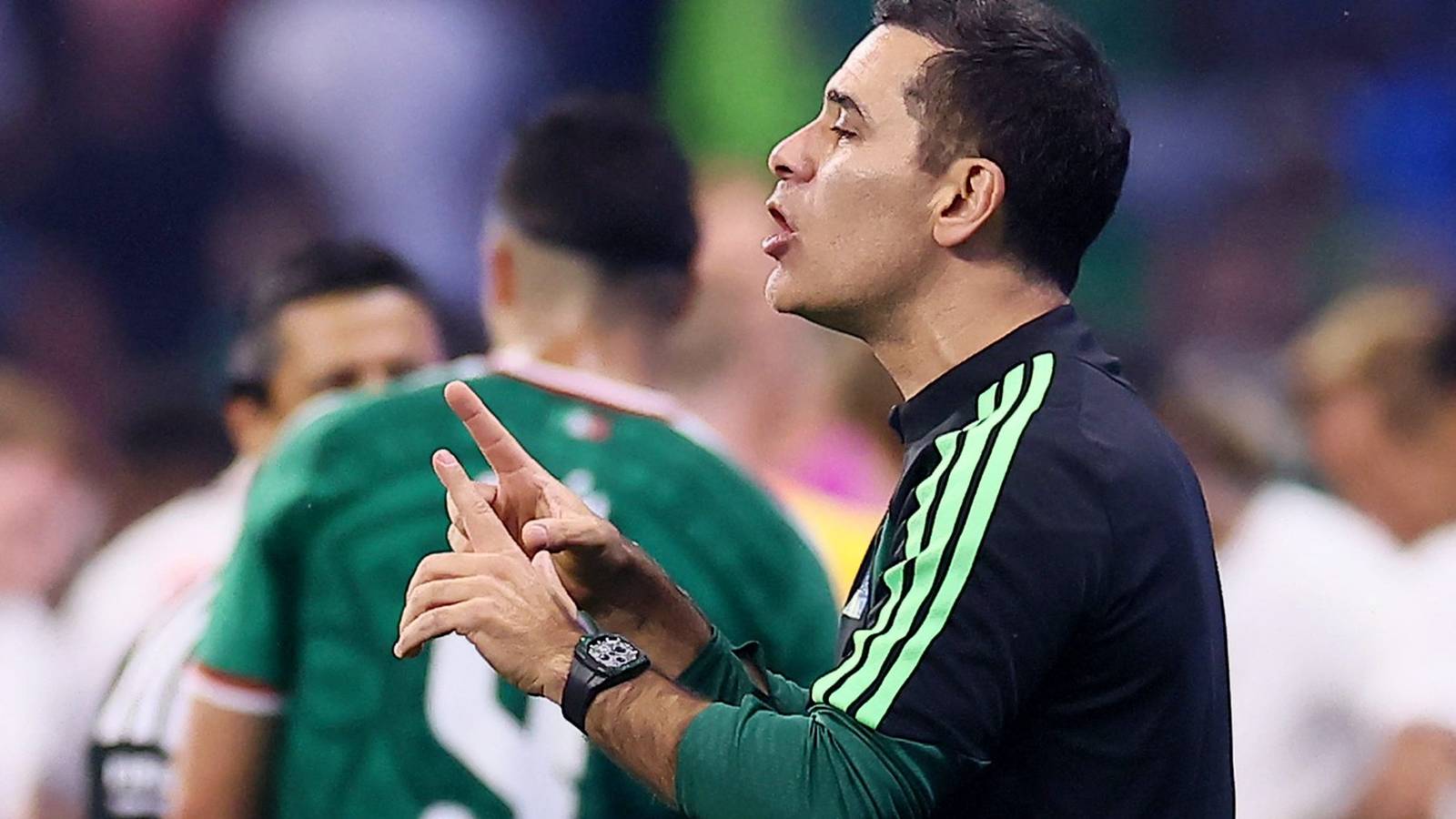
Following a heartbreaking 3-2 defeat to England in the round of 16 at the 2026 World Cup, the Mexican Football Federation has confirmed a leadership transition. Veteran manager Javier Aguirre will step down from his post, marking the end of his third stint with the national team. Mexican legend and former FC Barcelona defender Rafa Marquez, who served as Aguirre’s assistant during the tournament, is set to take over as the new head coach.
The loss to England continues a recurring narrative for Mexico, which has now been eliminated in the round of 16 in eight of the last nine World Cup tournaments. Despite a spirited performance on home soil and a significant home-field advantage, the team struggled to overcome the tactical discipline of the Three Lions.
The Marquez Mandate
Marquez faces the immediate challenge of integrating a promising young generation of players, including 17-year-old Gilberto Mora, into a more dynamic system. Aguirre, reflecting on his departure, expressed confidence in his successor. “Rafa is strong, there’s a strong base. I think he’s a very valuable guy, he’s a great coach,” Aguirre stated during his post-match press conference at Estadio Azteca.
Beyond on-field tactics, Marquez is expected to leverage his unique standing within the Mexican soccer system to address structural issues. Having been involved in the formation of Mexico’s first recognized players’ association, there is optimism that he will advocate for policies facilitating earlier transfers to European clubs and improving the quality of domestic development, which currently suffers from the absence of a robust promotion and relegation system.
Looking Toward 2030
The transition to Marquez represents a strategic pivot toward long-term development. With a core of players aged 23 or under, the focus for the national team now shifts to the Concacaf Nations League and the Gold Cup as preparation for the 2030 World Cup cycle. For fans and analysts alike, the question remains whether Marquez can instill a more creative, risk-taking philosophy that transcends the traditional “play like never before, lose like always” cycle that has long haunted the program.