


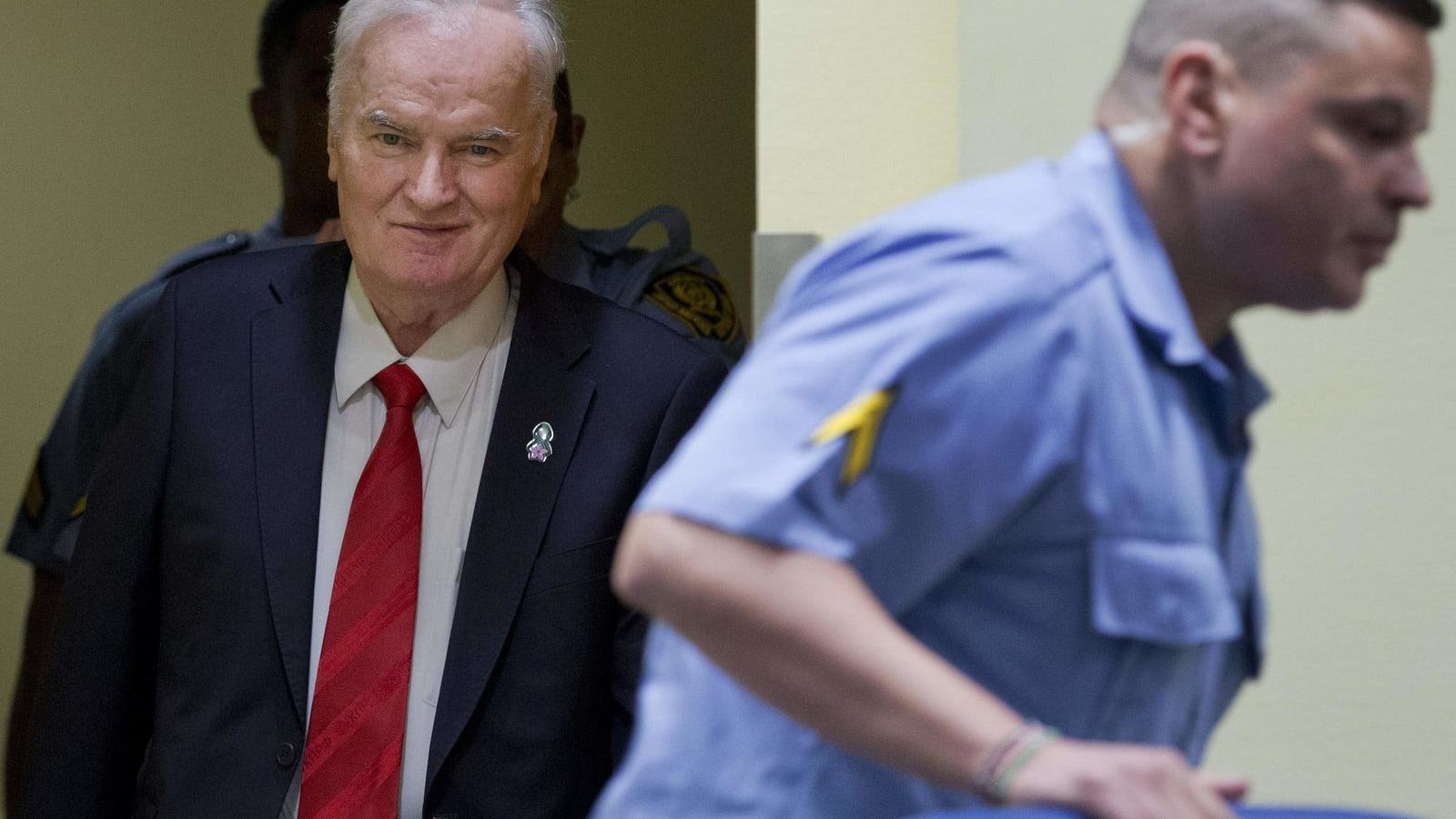
A Divisive Legacy
Ratko Mladić, the former commander of the Bosnian Serb forces known widely as the “Butcher of Bosnia,” has died in prison while serving a life sentence for genocide, war crimes, and crimes against humanity. His death at age 83 or 84 has reignited deep-seated divisions across the Balkans, as official reactions from Belgrade stand in stark contrast to the mourning of victims’ families.
Mladić was the architect of some of the most brutal chapters of the 1990s Yugoslav wars, most notably the 1995 Srebrenica genocide, where at least 8,000 Bosnian Muslim men and boys were slaughtered. Throughout the 1,425-day siege of Sarajevo, Mladić’s forces killed over 11,000 people, including 2,000 children. Despite these documented atrocities, Mladić remains a polarizing figure, viewed by many in Serbia and the Republika Srpska as a defender of the Serbian people.
Diplomatic Fallout
Following news of his death, Serbian President Aleksandar Vučić publicly condemned the UN war crimes tribunal in The Hague, labeling its refusal to grant Mladić an early release on humanitarian grounds as “uncivilized behavior, unprecedented and without excuse.” The Serbian government had repeatedly lobbied for his release, citing his deteriorating health and advanced age.
In response to the controversy, the UN tribunal has launched an inquiry into the circumstances of Mladić’s death. On Friday, the presiding judge visited the detention center where the former commander was held. Meanwhile, the Serbian government has announced plans to provide Mladić with “all the military and state honors to which he is entitled,” a move that has drawn swift condemnation from international observers and human rights groups.
The Weight of Memory
For the survivors of the conflict, Mladić’s death offers no closure. Emir Suljagić, director of the Srebrenica Memorial, emphasized that the event does not erase the historical reality of the genocide. “The people he sent to their deaths never had the chance to grow old,” Suljagić stated. He warned that the ongoing glorification of Mladić suggests that the ideology behind the war remains active, complicating efforts to achieve regional reconciliation.
Geopolitical analyst Zoran Kusovac, who met Mladić during the siege of Sarajevo, noted that the general maintained meticulous records of his actions, exhibiting a profound confidence that he would never be held accountable. That accountability finally arrived in 2017 with his life sentence, but the persistence of his supporters in Serbia highlights a society still grappling with the denial of past atrocities.