


The Anatomy of an AI Bubble
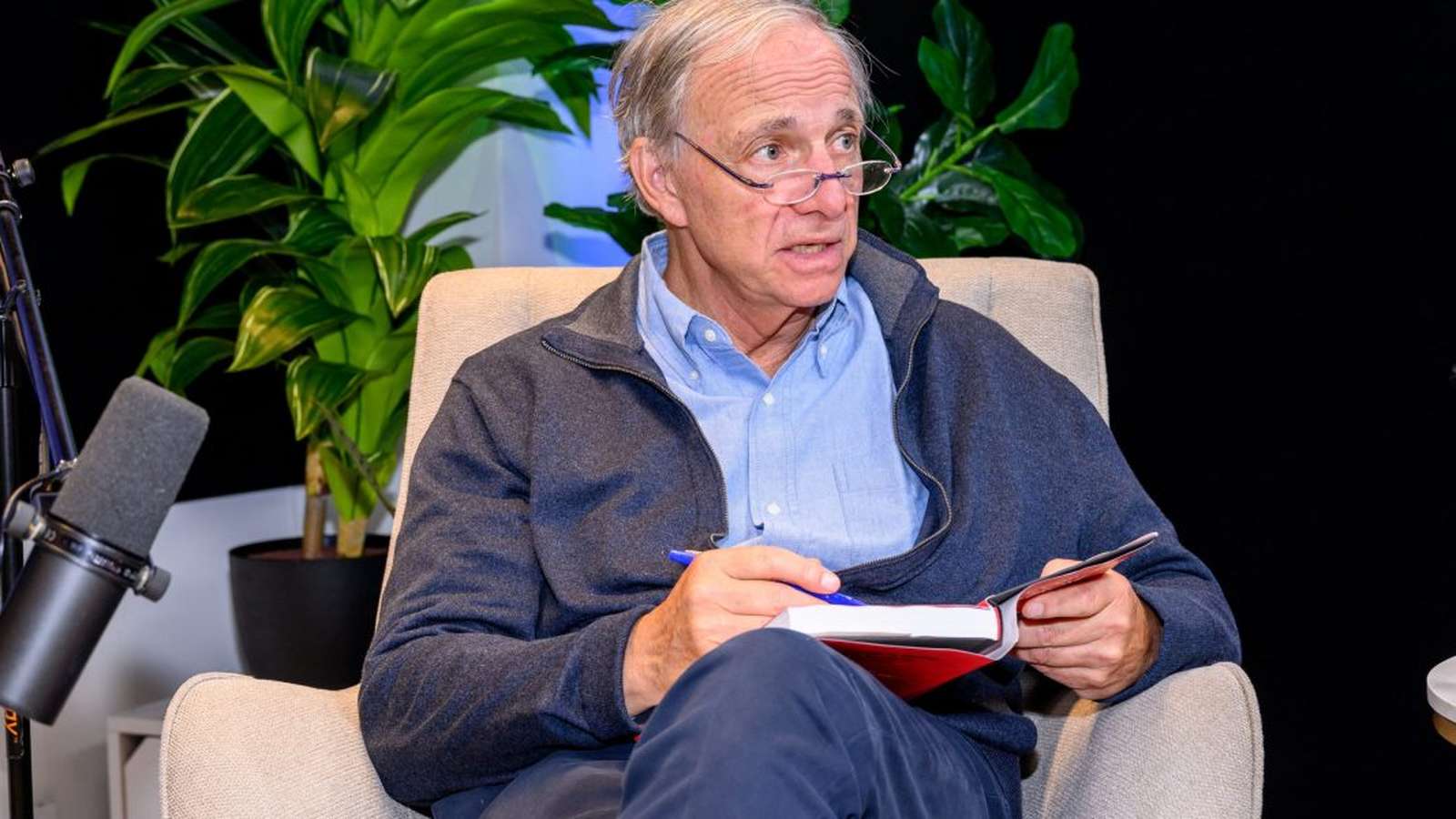
Ray Dalio, the founder of Bridgewater Associates, has issued a stark warning regarding the current state of the artificial intelligence market. Comparing the present surge to the speculative bubbles of 1929 and 2000, Dalio argues that the market is entering a phase defined by unsustainable valuations and a dangerous reliance on paper wealth rather than actual liquidity.
The core of Dalio’s concern lies in what he describes as the “third horseman” of a bubble: a surge in speculative stock issuance. “There’s almost nothing that’s easier to produce than stock,” Dalio noted in a recent interview. He explains that companies can raise capital, secure high valuations, and create paper billionaires without a corresponding influx of actual cash or sustainable revenue. This dynamic, he suggests, is being tested in real-time as companies like Anthropic and OpenAI move toward massive public listings, aiming for valuations near or exceeding $1 trillion.
The Infrastructure Spending Spree
The scale of investment flowing into the AI sector is unprecedented. According to Goldman Sachs analysts Joseph Briggs and Sarah Dong, global AI capital expenditure is projected to hit $1.019 trillion in 2026, with $581 billion allocated in the U.S. alone. This level of spending is significant enough to potentially shift U.S. and global GDP upward by nearly 3% at the high end. However, this massive capital infusion faces skepticism from debt markets.
Morgan Stanley analysts, including Lisa Shalett, have flagged concerns regarding the quality of debt issued to support this spending. Hyperscaler debt is currently pricing at yields 5–10 basis points wider than median investment-grade issues, reflecting growing investor anxiety over circular financing and cash flow sustainability. The market is struggling with “indigestion” as companies rush to capitalize on the AI fervor, causing relative underperformance for the sector within the broader investment-grade debt market.
Wealth vs. Money: The Fundamental Misunderstanding
Dalio emphasizes a critical distinction that investors often overlook: “Wealth is not the same as money.” He warns that many market participants are currently “getting wealthy” on paper, but lack the liquidity to realize that value without selling into a potentially cooling market. This distinction is vital when assessing the current AI “crapshooting” behavior, where unsophisticated investors are increasingly using leveraged ETFs to bet on the sector’s continued ascent.
While industry leaders like Palantir CEO Alex Karp argue that the results justify the market’s enthusiasm—citing Palantir’s 93% revenue surge to $1.94 billion—Dalio’s historical lens suggests that bubbles are a matter of degree. The combination of rising interest rates, which make debt more expensive, and the rapid pace of stock issuance creates a classic environment for a market correction. As SpaceX trades below its IPO price and other tech giants adjust their timelines for public debuts, the market is beginning to confront the reality that the infrastructure boom may not translate into immediate, universal profitability.