


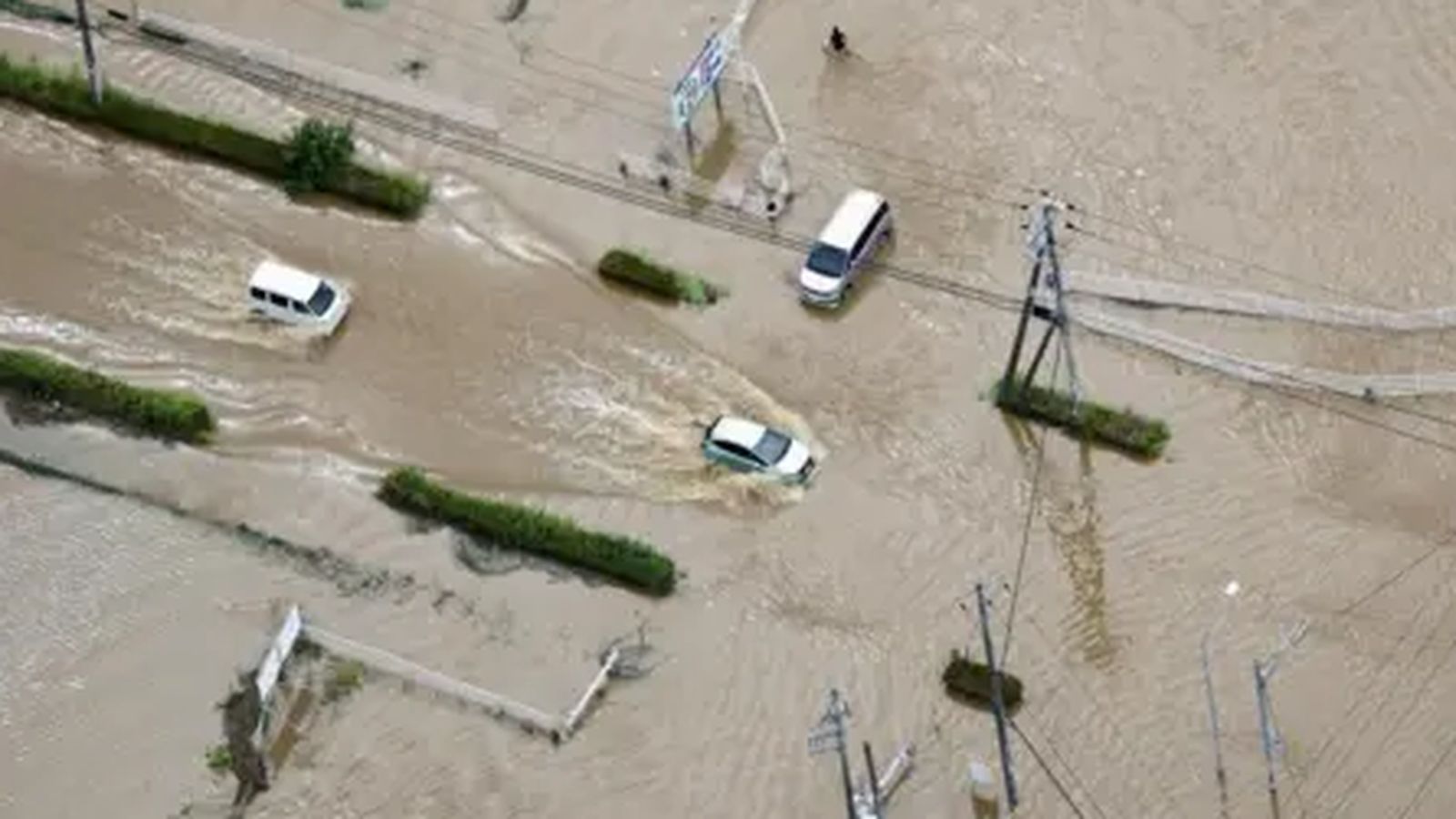
At least four people have died and five others were injured after record-breaking, “unprecedented” rainfall struck Japan’s Chiba prefecture, near Tokyo, between August 13 and 14, 2026. Local authorities issued a level five emergency warning—the highest tier of Japan’s alert system—on Thursday, which was later downgraded to level four by Friday morning.
The Japan Meteorological Agency (JMA) attributed the deluge to a convergence of warm, humid air meeting cold air in the upper atmosphere, creating highly unstable conditions. Chiba recorded more than 100mm of rain per hour, a volume approximately three times the regional average for August and the highest intensity ever documented in the area. Chiba Governor Toshihito Kumagai described the event as an outlier even by the nation’s historical weather standards, noting, “I have responded to many disasters in the past, but I have never experienced a case like this.”
The impact on infrastructure has been significant. More than 20,000 households were left without power, and over 100,000 residents were initially advised to evacuate due to the heightened risk of landslides and flooding. Transportation networks faced severe disruptions; several rail services were suspended, and major highways were closed. At Narita Airport, approximately 7,000 travelers were stranded overnight. While airport officials stated that operations were expected to return to normal on Friday, some airlines warned of potential delays.
Tragically, casualties included a woman who died after her car became submerged on a flooded road, while two other individuals collapsed on streets and later succumbed to their conditions. Emergency response efforts remain focused on life-saving operations as authorities continue to monitor for secondary risks from lingering rainfall.