

Quick Read
- Reform UK, led by Nigel Farage, proposes stripping EU citizens of benefit rights and renegotiating the Brexit deal.
- The party plans to cut foreign aid to £1bn annually and raise NHS surcharges for visa applicants.
- Conservative and Labour leaders warn these moves could provoke a trade war and undermine UK-EU relations.
- Sociologist David Miller links the rise of Reform UK and far-right figures to pro-Israel networks backing Islamophobic rhetoric.
- Reform UK’s platform reflects growing public anxiety over immigration, public spending, and foreign influence.
Farage’s Reform UK Pushes for Sweeping Benefit Cuts and Immigration Overhaul
In the final months of 2025, Britain’s political landscape is shifting—and at the heart of this transformation is Reform UK. Led by Nigel Farage, the party has seized national attention with proposals that would fundamentally alter how the UK treats immigrants, distributes benefits, and interacts with its European neighbors.
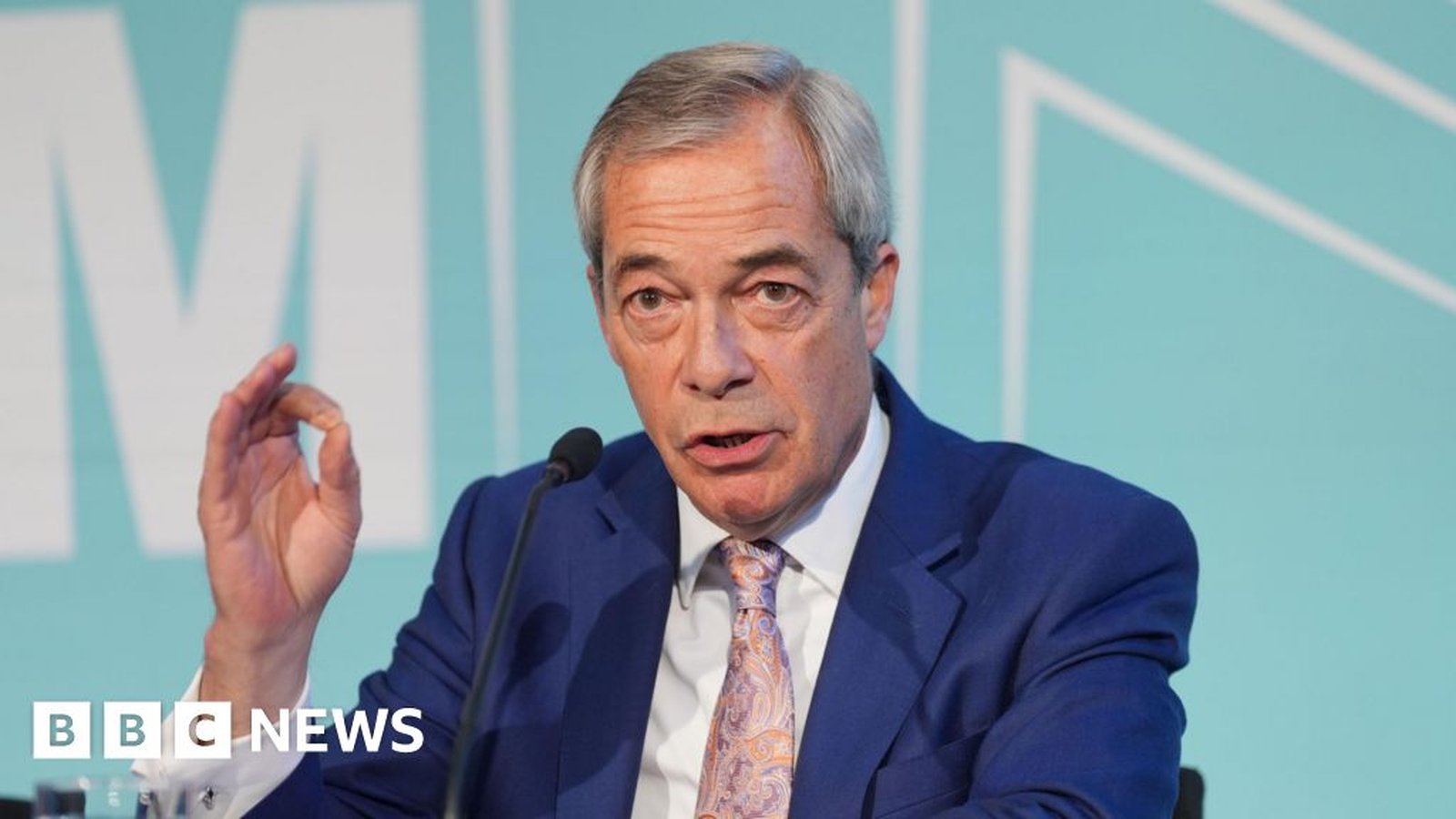
At a press conference ahead of the upcoming budget, Farage outlined plans to strip EU citizens of their rights to claim benefits, calling for a renegotiation of the Brexit deal to enable such a move. The party estimates that restricting universal credit to British citizens only could save £6.4bn this year, rising to £10bn by the end of the decade (BBC). Policy chief Zia Yusuf argued that foreign nationals should “bear the brunt” of austerity measures before British citizens are asked to make sacrifices, reinforcing a narrative of economic fairness amid fiscal tightening.
Reform’s Spending Cuts and Tax Promises: A New Right-Wing Agenda
The party’s blueprint for government includes slashing foreign aid to £1bn annually—a drastic reduction compared to the £14bn spent last year—and tripling the NHS surcharge for visa applicants. Reform UK also proposes removing disability benefits from those with “non serious anxiety issues,” aiming to save £3.5bn a year. These policies are framed as necessary steps to avoid broad tax hikes, which Chancellor Rachel Reeves of Labour is expected to announce in the upcoming budget (Bloomberg).
While Reform UK pledged tax cuts worth £90bn at the last election, Farage has since rowed back, admitting that “substantial tax cuts” are not realistic given the state of public finances. The party’s shift reflects mounting pressure on mainstream parties to address economic anxieties, with both Reform and the Conservatives accusing Labour of failing to control spending.
Brexit Deal Tensions: Calls for Renegotiation and Warnings of Trade Fallout
Farage’s demand to renegotiate the Brexit withdrawal agreement—specifically to end benefit rights for EU nationals—has been met with fierce opposition. Conservative leader Kemi Badenoch called the idea “completely ridiculous,” emphasizing the painstaking negotiations that secured rights for both EU citizens in the UK and Brits abroad. Labour’s Anna Turley warned that reopening the deal could trigger a “trade war with Europe” and undermine recent efforts to reduce trade friction (BBC).
In media interviews, Farage insisted the move is about “fairness,” arguing that EU nationals in Britain receive benefits at rates vastly higher than Brits on the continent. He acknowledged the risk of EU retaliation—potentially through tariffs—but maintained that the UK remains a crucial market for Europe, giving it leverage in any renegotiation.
Foreign Influence and the Rise of Islamophobia: Experts Sound Alarm
Beyond economic policy, Reform UK’s ascent is entangled with broader concerns about foreign influence and the intensification of anti-Muslim rhetoric. British sociologist David Miller claims that “pro-Israel lobby groups,” with financial and political backing from networks in Tel Aviv and the US, have played a role in elevating figures like Farage and Tommy Robinson to redirect working-class grievances toward Muslim immigrants (Anadolu Agency).
Robinson, founder of the English Defense League and long associated with anti-Muslim activism, recently traveled to Israel at the invitation of government officials—a move condemned by major British Jewish organizations. His appearance, and the presence of Israeli flags at far-right rallies in London, highlight a growing ideological convergence between Israel’s right-wing leadership and European nationalist movements.
Miller argues that this realignment dates back to the late 2000s, when American Zionists encouraged European far-right groups to pivot from Judeo-skepticism to Islamophobia. He describes the resulting “counter-jihad movement” as an international network, largely funded by the Zionist movement, that now influences parties across the UK political spectrum—from Labour to Reform UK.
Political Realignment: Reform UK and the Battle for Britain’s Right
On November 18, dueling press briefings by Farage and Badenoch underscored the competition for dominance on the political right. Both leaders attacked Labour’s economic management, but it’s Reform UK that has captured much of the public’s frustration over migration and public spending. The party’s willingness to challenge settled treaties and push controversial social policies has forced mainstream parties to clarify their positions, further polarizing the debate.
Yet, as Miller notes, the shift in political alliances has blurred traditional lines. The old notion of a unified neo-fascist far right is fading, replaced by a landscape in which “Zionists play all sides”—offering funding and support to groups across the spectrum, with the aim of advancing specific foreign policy agendas and consolidating influence.
For now, the fate of Reform UK’s proposals remains uncertain. With elections still several years away, their platform is more a marker of Britain’s unsettled mood than a blueprint for immediate change. But the party’s rise—and the debates it has sparked—reflect deeper tensions over identity, sovereignty, and the boundaries of British democracy.
Reform UK’s surge reveals a UK political system in flux, where economic grievances and anxieties over immigration are intertwined with foreign influence and shifting alliances. Whether these proposals become law or remain rhetorical, the party’s strategy is forcing the nation to confront uncomfortable questions about fairness, identity, and the future direction of its democracy.