

Quick Read
- Bedford Borough Council formally rejected property demolitions for the East West Rail project.
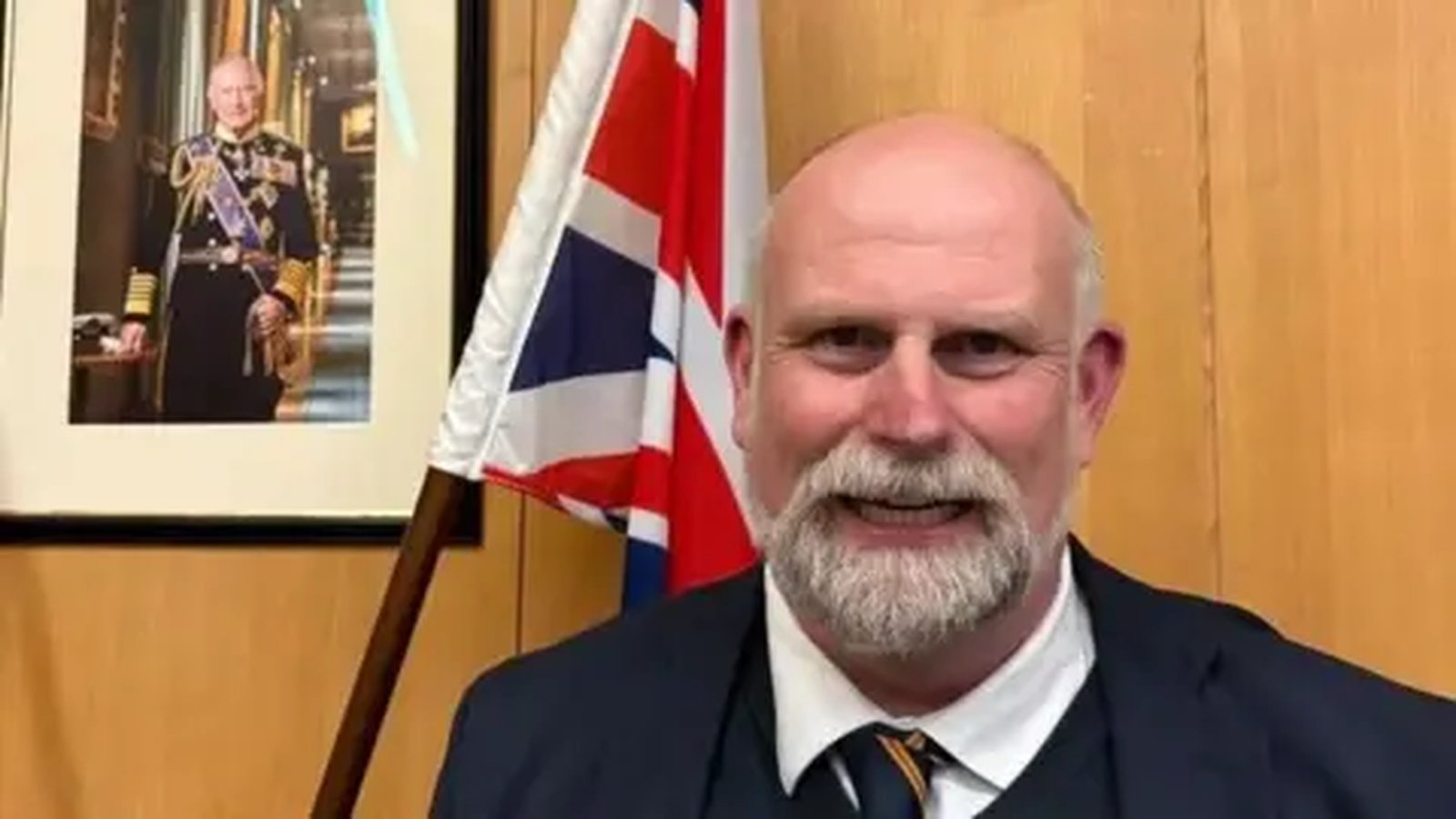
- Mayor Tom Wootton recused himself from rail discussions due to a declared pecuniary interest.
- Three cabinet members have resigned in under two weeks, citing unethical behavior within the administration.
Institutional Standoff Over Infrastructure
Bedford Borough Council has taken a definitive stance against the East West Railway Company (EWRC), formally declaring that any residential demolitions required to facilitate the Oxford-to-Cambridge rail link are “unacceptable.” The decision, reached during a council meeting on May 27, 2026, represents a significant escalation in the local authority’s opposition to the project’s current design, which threatens approximately 60 properties in the Ashburnham Road and Poets area.
The EWRC maintains that these demolitions are a functional necessity, arguing they are essential to accelerate construction timelines by up to three years. However, the council’s unanimous cross-party support for an amended consultation response signals a hardening of local political will. Beyond the issue of demolition, the council has voiced formal objections to proposed infrastructure developments, including a multi-storey car park near Bedford Station and concerns regarding the usage of Stewartby Station as a potential transit hub for visitors to the planned Universal Studios resort.
The Mayoral Pecuniary Interest Controversy
The debate over East West Rail has been inextricably linked to a deepening governance crisis within the Bedford Borough administration. Mayor Tom Wootton, a prominent figure in previous negotiations regarding the rail line, was notably absent from the meeting where the council’s response was finalized. It was subsequently disclosed that the Mayor had been advised to recuse himself due to a “disclosable pecuniary interest” related to the proposed rail route crossing land connected to his family.
This revelation has triggered a wave of criticism from opposition parties, who have questioned the Mayor’s previous involvement in high-level discussions with the Rail Minister and the commissioning of £40,000 in council funds for alternative route studies. The situation is further compounded by a broader administrative collapse; in less than two weeks, three cabinet members—most recently Councillor Sarah Gallagher—have resigned. In her resignation letter, Gallagher cited “unethical and corrupt behaviour” within the executive, specifically referencing the Mayor’s handling of the East West Rail interest and other controversial property acquisitions.
Governance and Strategic Risks
The convergence of infrastructure planning disputes and administrative instability places the future of the Bedford section of the East West Rail project in a precarious position. The Mayor’s office, previously a central pillar in the relationship between the local government and the EWRC, is currently under intense scrutiny. Opposition leaders, including the Liberal Democrat group, have characterized the current administration as a “crumbling house of cards,” demanding urgent investigations into the allegations of ethical breaches.
The intersection of national infrastructure objectives and local political volatility creates a high-stakes environment for the residents of Bedford. As the East West Railway Company attempts to reconcile its construction schedule with local resistance, the credibility of the council’s leadership remains the primary variable in determining whether the project can proceed without significant further disruption or legal challenge. With the Best Value process currently underway at Borough Hall, the demand for accountability, transparency, and a more collegiate form of governance is likely to define the next phase of the project’s development.
The structural tension between the East West Railway Company’s efficiency-driven timelines and Bedford’s local governance crisis underscores the inherent difficulty of large-scale infrastructure delivery in the UK. The Mayor’s recusal, while legally required to avoid a conflict of interest, has effectively severed the primary diplomatic channel between the council and the project developers at a critical juncture. Unless the administration can stabilize its internal leadership and resolve the ethical allegations raised by departing cabinet members, the council’s ability to effectively negotiate for its constituents’ interests—specifically regarding property preservation and traffic management—will remain severely compromised, potentially leading to a prolonged stalemate in the regional planning process.