


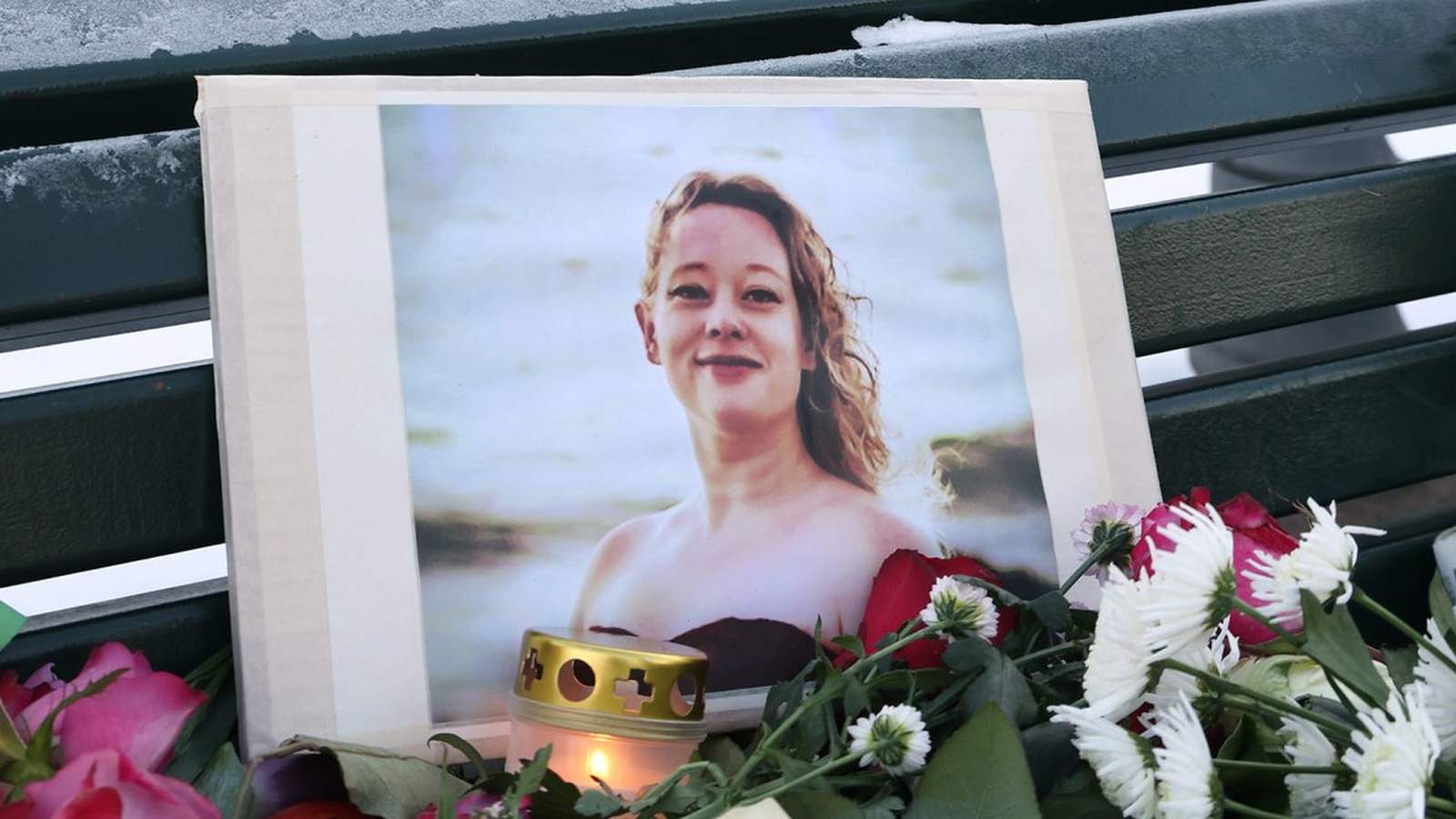
The complaints, filed in the United States District Court for the District of Minnesota, target both the institutional framework of the federal government and individual officials. Plaintiffs in the actions include Brent Ganger, Renee’s brother acting as trustee for her next of kin, and Becca Good, Renee’s partner who witnessed the shooting firsthand.
The January 7 Incident and Department Protocol Violations
The lawsuits detail the sequence of events on January 7, 2026, when Renee and Becca Good were driving in south Minneapolis after dropping off their son at school. Neither woman was the target of any investigation, and they were unarmed with their family dog in the vehicle. According to the legal filings, Renee stopped her vehicle on Portland Avenue and honked her horn to alert neighbors to the presence of federal immigration agents, while Becca stepped out to record video.
Numerous civilian and unmarked vehicles drove around the stopped car without incident. However, ICE Agent Jonathan Ross exited an unmarked Chevrolet Tahoe, walked past the open driver’s side window, and engaged with Renee after she stated she was not angry at the agents. The complaint states that as Renee turned her vehicle’s wheels away and began to pull forward slowly, Ross moved out of the path, leaned toward the vehicle, and fired a round through the windshield. As the car continued its slow turn, Ross fired two additional shots through the open driver’s side window, striking Renee in the head.
The legal documents assert that no agent was in the path of the vehicle when any shots were fired, and that federal personnel refused to render medical assistance or permit a bystander physician to help. Renee was subsequently pronounced dead at Hennepin County Medical Center.
The complaints state that Agent Ross and accompanying personnel violated the Fourth Amendment and mandatory Department of Homeland Security use-of-force policies. These internal guidelines restrict deadly force strictly to imminent threats of death or serious bodily injury, prohibit using deadly force solely to prevent escape, and require immediate medical assistance.
Dual Legal Filings and Accountability Frameworks
The litigation is divided into two distinct federal complaints, reflecting the complex legal hurdles required to sue federal law enforcement personnel. The first lawsuit names the United States of America as the sole defendant under the Federal Tort Claims Act (FTCA). Filed by Romanucci & Blandin, this complaint alleges wrongful death under Minnesota statute predicated on individual claims of battery, assault, false imprisonment, intentional infliction of emotional distress, and negligence. This action seeks a bench trial before a judge, as mandated by the FTCA.
The second complaint targets individual federal agents and administration officials under 42 U.S.C. §§ 1985(3) and 1986—provisions derived from the Ku Klux Klan Act of 1871—alleging a civil rights conspiracy. The named individual defendants include Agent Jonathan Ross, Stephen Miller, Kristi Noem, Corey R. Lewandowski, Thomas D. Homan, Todd Lyons, Gregory Bovino, and ten John Doe federal agents. The filing contends that senior officials cultivated an environment during Operation Metro Surge where agents believed they operated with total immunity from internal policies and constitutional limits.
Institutional Context and Broader Legal Challenges
Legal representatives and civil rights advocates argue that Operation Metro Surge relied on exaggerated fraud accusations that enabled masked, roving federal agents to target communities indiscriminately. The lawsuits aim to test the boundaries of federal officer liability and establish judicial precedent regarding the constitutional rights of observers and protesters.
The federal filings in Minneapolis follow similar legal actions brought by the same legal team. Last month, attorneys initiated legal proceedings under the FTCA for 15 U.S. citizens and legal residents in Chicago who reported excessive force and wrongful detention during immigration enforcement operations under Operation Midway Blitz. As the federal court in Minnesota reviews the new complaints, legal observers note that the outcome could significantly reshape accountability standards for federal immigration agencies operating within municipal jurisdictions.