

Quick Read
- Rosie O’Donnell underwent a lower deep plane facelift at age 64.
- The comedian previously viewed plastic surgery as a ‘betrayal’ of feminist principles.
- O’Donnell stated the procedure cost more than any car she has ever purchased.
- She reports that the change is so subtle that even her family members did not notice it.
The Intersection of Personal Autonomy and Public Perception
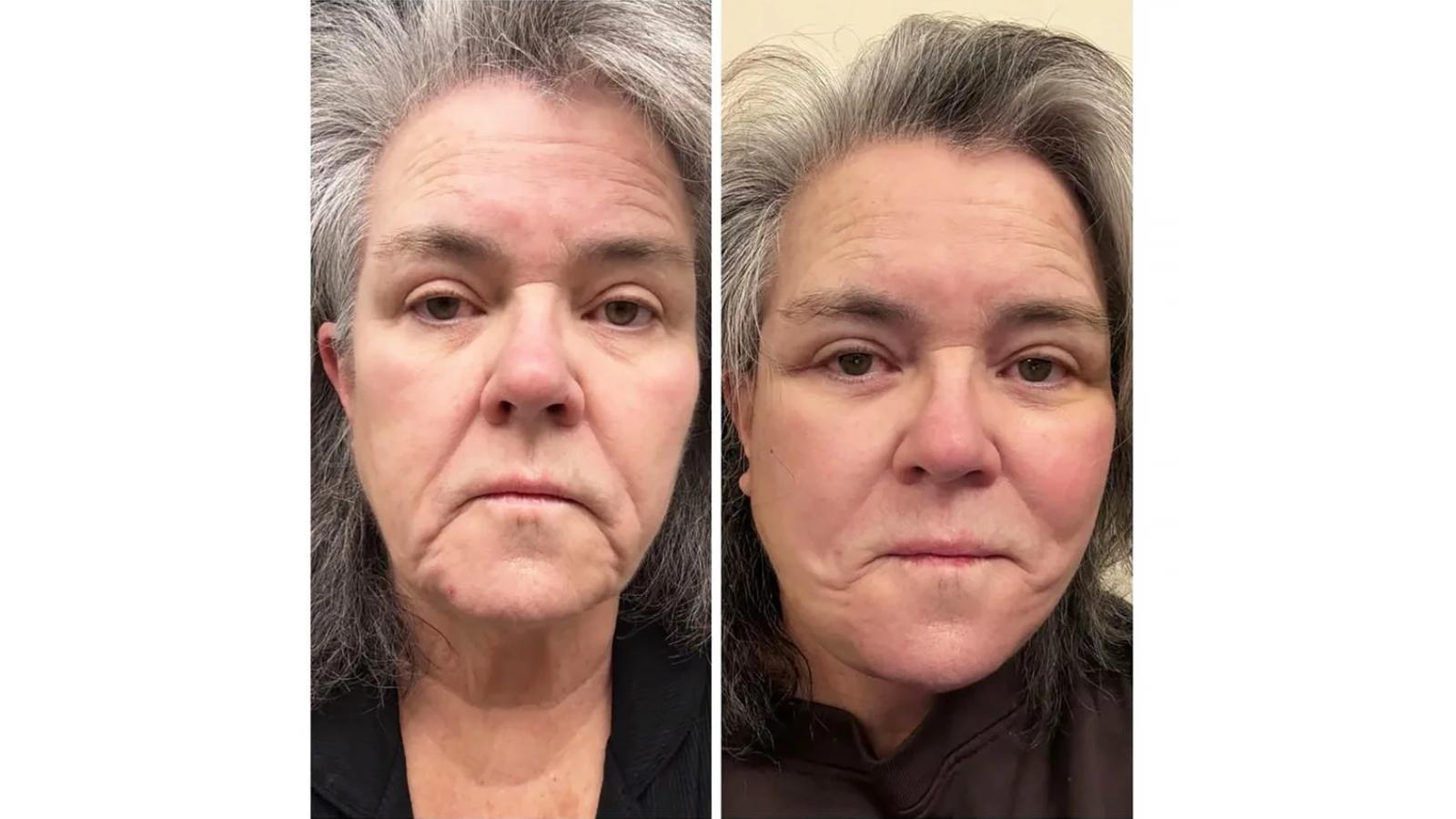
In a significant departure from her previously held moral stance on cosmetic procedures, television personality and comedian Rosie O’Donnell has publicly disclosed undergoing a lower deep plane facelift. At 64, O’Donnell’s decision, which she detailed in a recent Substack post, provides a compelling case study on the evolving pressures regarding aging in the public eye and the internal conflict between ideological adherence and personal agency.
Reframing the Feminist Narrative
For years, O’Donnell maintained a rigid opposition to cosmetic surgery, framing the act as a “betrayal” of both the aging process and feminist principles. However, the physical reality of losing 50 pounds—which she described as her face “melting with intention”—prompted a re-evaluation of her stance. This transition highlights a growing tension in contemporary discourse: the extent to which women’s bodies are governed by the very movements meant to liberate them. O’Donnell’s conclusion that rejecting surgery to adhere to an ideological standard is, in itself, a form of external authority, challenges the notion that feminist purity necessitates the preservation of natural aging at all costs.
The Stakes of Transparency
The reception of O’Donnell’s procedure—or lack thereof—is perhaps the most telling aspect of her experience. Despite the financial cost, which she humorously noted exceeded the price of any vehicle she has purchased, O’Donnell reports that the change has gone largely unnoticed by both friends and family, including her 13-year-old child, Clay. This observation serves as a critique of the extreme scrutiny placed on celebrity appearances. By choosing to share “before and after” photographs, O’Donnell is attempting to destigmatize the procedure while simultaneously demystifying the results, shifting the focus from radical transformation to the maintenance of one’s own identity.
Ultimately, O’Donnell’s disclosure serves as a pivot point in the cultural conversation surrounding cosmetic intervention. By framing the surgery not as a surrender to societal beauty standards but as a personal choice to stop “arguing with the mirror,” she reclaims the narrative of bodily autonomy. Her experience underscores that for many, the decision to undergo surgery is less about the pursuit of an unattainable ideal and more about reconciling one’s internal self-image with their external presentation. In an era where digital perfectionism is the norm, O’Donnell’s candidness provides a grounded perspective on the complexities of navigating the third act of life with agency and self-acceptance.