


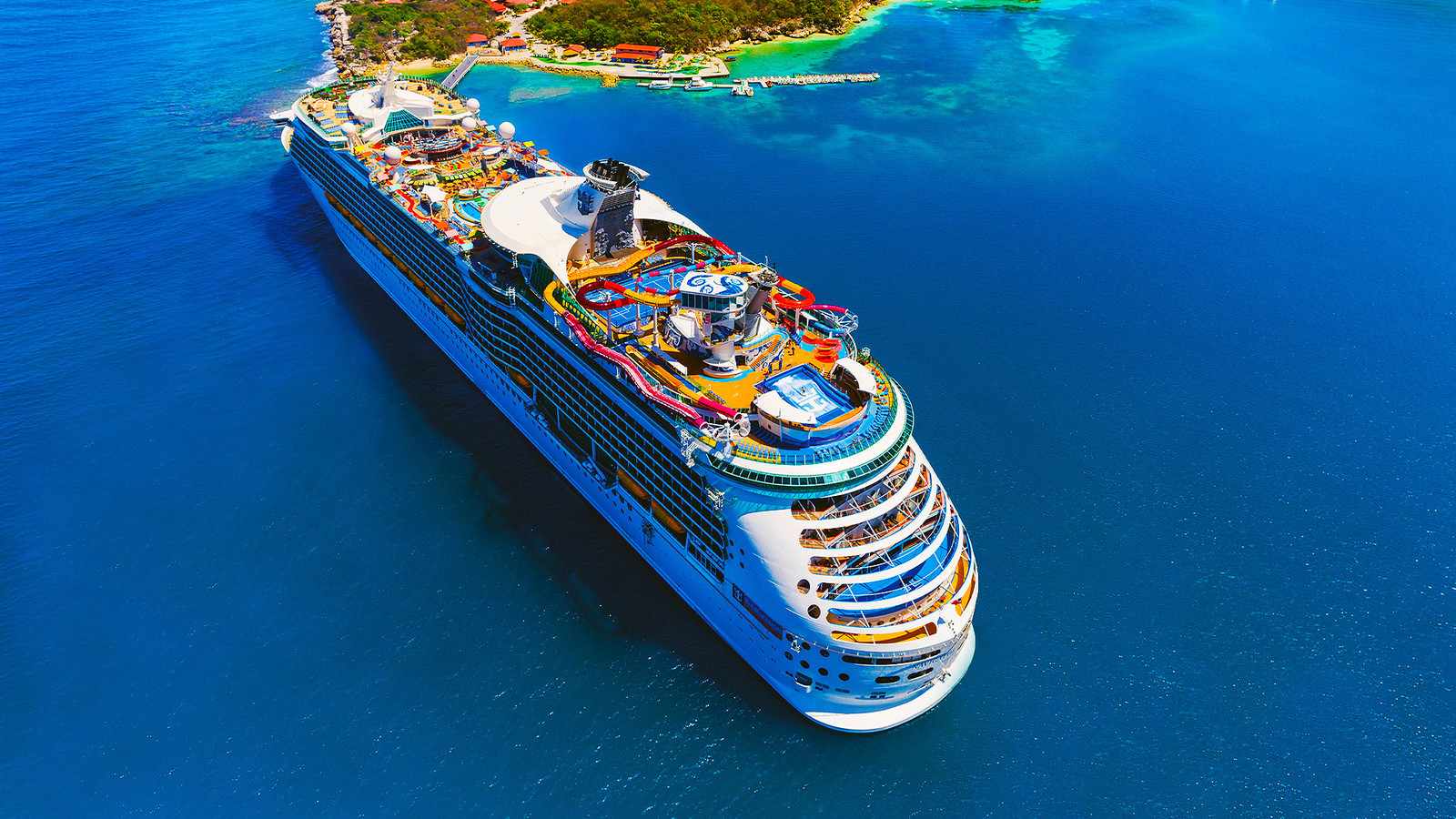
Strategic Fleet Realignment
Royal Caribbean International is executing a significant shift in its global deployment strategy, moving away from year-round homeporting on the U.S. West Coast. The cruise line has confirmed that Navigator of the Seas, which served as the centerpiece of its return to Los Angeles in 2021, will conclude its year-round California operations to begin permanent service in Singapore starting in October 2026.
This transition has prompted the cancellation of several planned 2027 sailings from Los Angeles. Royal Caribbean stated that these adjustments are part of a broader, dynamic planning process designed to align fleet capacity with evolving global demand. For passengers with affected bookings, the cruise line has initiated direct contact to provide alternative travel options and compensation details.
The Pivot to Asia-Pacific
The redeployment reflects a strategic focus on the Asia-Pacific region, where cruise demand has shown robust recovery and growth. Industry data from the Cruise Lines International Association (CLIA) notes that resident cruise participation across 12 principal Asian markets rose by 17.1% in 2025. Singapore, serving as a critical regional hub, reported over two million passenger movements in the same period, signaling a lucrative environment for high-capacity vessels.
Unlike the repetitive, short-duration Mexican Riviera itineraries common in the California market, a Singapore-based operation allows Royal Caribbean to diversify its offerings. The company plans to utilize Navigator of the Seas for a mix of short regional getaways to Malaysia and Thailand, alongside longer, higher-yield itineraries extending to Japan, Hong Kong, and Taiwan. This shift enables the company to capture a broader spectrum of travelers, including those seeking fly-cruise packages and extended international vacations.
West Coast Operations Transition
While the move marks the end of Navigator of the Seas as a year-round Los Angeles fixture, Royal Caribbean maintains that it is not abandoning the West Coast. Instead, the company is shifting toward a seasonal rotation model. Larger vessels, such as Quantum of the Seas and Ovation of the Seas, remain part of the company’s regional deployment schedule, though they will now rotate between West Coast assignments and international markets, such as Australia.
This operational flexibility allows the cruise line to optimize its tonnage where it yields the highest return. By utilizing Serenade of the Seas for San Diego-based getaways and alternating larger ships in Los Angeles, Royal Caribbean seeks to preserve a presence in California without the constraints of a permanent, single-ship homeport commitment. However, for local cruisers, the change signals a transition from the convenience of year-round, consistent short-cruise availability to a more fluctuating, seasonal schedule dictated by global fleet needs.