


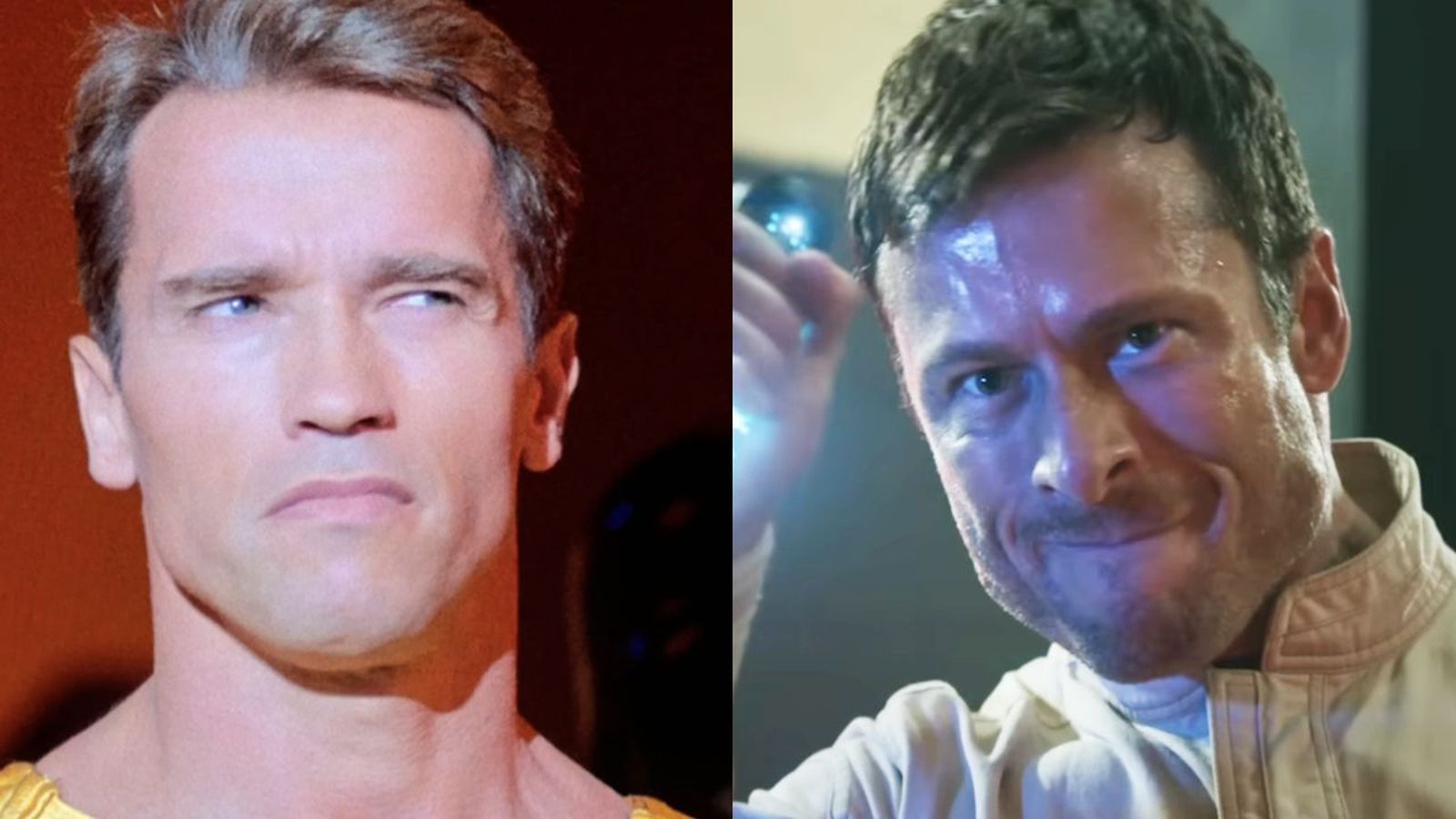
The Running Man Returns: A Dystopian Vision Reborn
For those who grew up watching The Running Man flicker across late-night television, the arrival of a new remake in 2025 is as much a mirror to the passage of time as it is a cinematic event. Edgar Wright’s reinterpretation, starring Glen Powell, marks a conscious return to Stephen King’s bleak original novel—a world where entertainment and violence have become indistinguishable, and the line between spectator and participant is chillingly thin. Released on November 14, this new adaptation promises both nostalgia and novelty, reworking a cult classic for a new generation.
A Tale of Two Adaptations: Faithful to King, But Different in Spirit
Where the 1987 original, fronted by Arnold Schwarzenegger, took wild liberties with King’s dystopian tale, Wright’s version hews closer to the author’s vision. The protagonist, Ben Richards, is less a muscled action hero and more an everyman thrust into extraordinary circumstances. The film’s aesthetic and pacing reflect Wright’s trademark flair—sharp editing, kinetic visuals, and a darkly comic undertone. Paramount Pictures and Tri-Star Pictures have crafted a film that feels at once familiar and daringly new.
Yet, for all its fidelity to the source material, the remake omits one unforgettable twist that gave the original its satirical bite: the inspired casting of game show host Richard Dawson as the film’s central villain. Dawson, best known at the time as the beloved host of Family Feud, played Damon Killian—a character who was both the producer and host of the deadly game show at the heart of the story. His performance was a masterstroke of subversion: the affable TV personality transformed into a cold, calculating manipulator, blurring the lines between fiction and reality in a way that was both unsettling and brilliant.
The Genius of Casting Against Type: Richard Dawson’s Legacy
In King’s novel—and now, in Wright’s remake—the roles of producer and host are separated. Dan Killian, the show’s producer, remains in the background, while Bobby Thompson (or “Bobby T,” played by Colman Domingo in the new film) assumes the role of charismatic host. Domingo brings his trademark magnetism to the part, but the decision to cast a professional actor rather than a real-life game show host signals a shift in tone. Gone is the jarring irony of seeing a familiar, trusted face become the embodiment of corporate cruelty. As CinemaBlend notes, it was one of the original film’s most daring choices—a move that “worked against type” and left a lasting impression on viewers.
Imagine, for a moment, if Wright’s remake had followed suit. Picture Steve Harvey, the current face of Family Feud, or Ryan Seacrest, ubiquitous host of American television, stepping into the villain’s shoes. The very sight would have been a pop culture jolt—an uncomfortable reminder of how entertainment can mask exploitation, and how easily the lines can blur. Instead, the remake opts for a safer, more conventional approach. Domingo excels, but the role feels less biting, less satirical, and ultimately less memorable.
What the Remake Gains—and What It Loses
The decision to forgo the casting stunt of 1987 is not without its reasons. The new Running Man is a more somber, introspective film, focused on the dehumanizing machinery of reality television and the commodification of suffering. Glen Powell’s Ben Richards is not a superhuman rebel but a desperate man caught in a system designed to grind him down. The violence is grittier, the social commentary sharper, and the spectacle less cartoonish. Edgar Wright’s direction gives the story a modern urgency, drawing clear lines between fiction and the increasingly blurred realities of media and surveillance in 2025.
Yet, for longtime fans, something crucial feels absent. The original’s satirical edge—so perfectly embodied in Richard Dawson’s performance—offered not just entertainment but a mirror held up to the audience itself. It dared viewers to question their own complicity in a culture that prizes spectacle over empathy. The 2025 version, while more faithful to King’s novel, sacrifices some of that subversive energy for a more straightforward, if earnest, critique.
Nostalgia, Homage, and the Burden of Remakes
Remaking a cult classic is always a balancing act: honoring what came before while charting a new course. Wright’s Running Man manages the former with visual callbacks and even a brief Schwarzenegger cameo, but it resists the temptation to lean too heavily on nostalgia. Instead, it stakes its claim as a serious, timely dystopia—one that speaks to contemporary anxieties about media, surveillance, and the cost of entertainment.
Still, as CinemaBlend’s Dirk Libbey notes, the omission of that one inspired casting choice leaves a lingering question: could the film have been even more powerful if it had dared to blur the lines between fiction and reality, as its predecessor once did? Perhaps next time, filmmakers will remember that sometimes, the most daring choices are the ones that linger longest in the collective memory.
Assessment: The 2025 remake of The Running Man is a visually arresting, thematically resonant adaptation that honors Stephen King’s dystopian vision. Yet, by forgoing the inspired casting twist of the original, it misses a unique opportunity to deepen its social critique and satirical bite. The film succeeds as an update for modern audiences, but it is a reminder that sometimes, the boldest risks are what make a story endure.