


A Late-Career Masterpiece
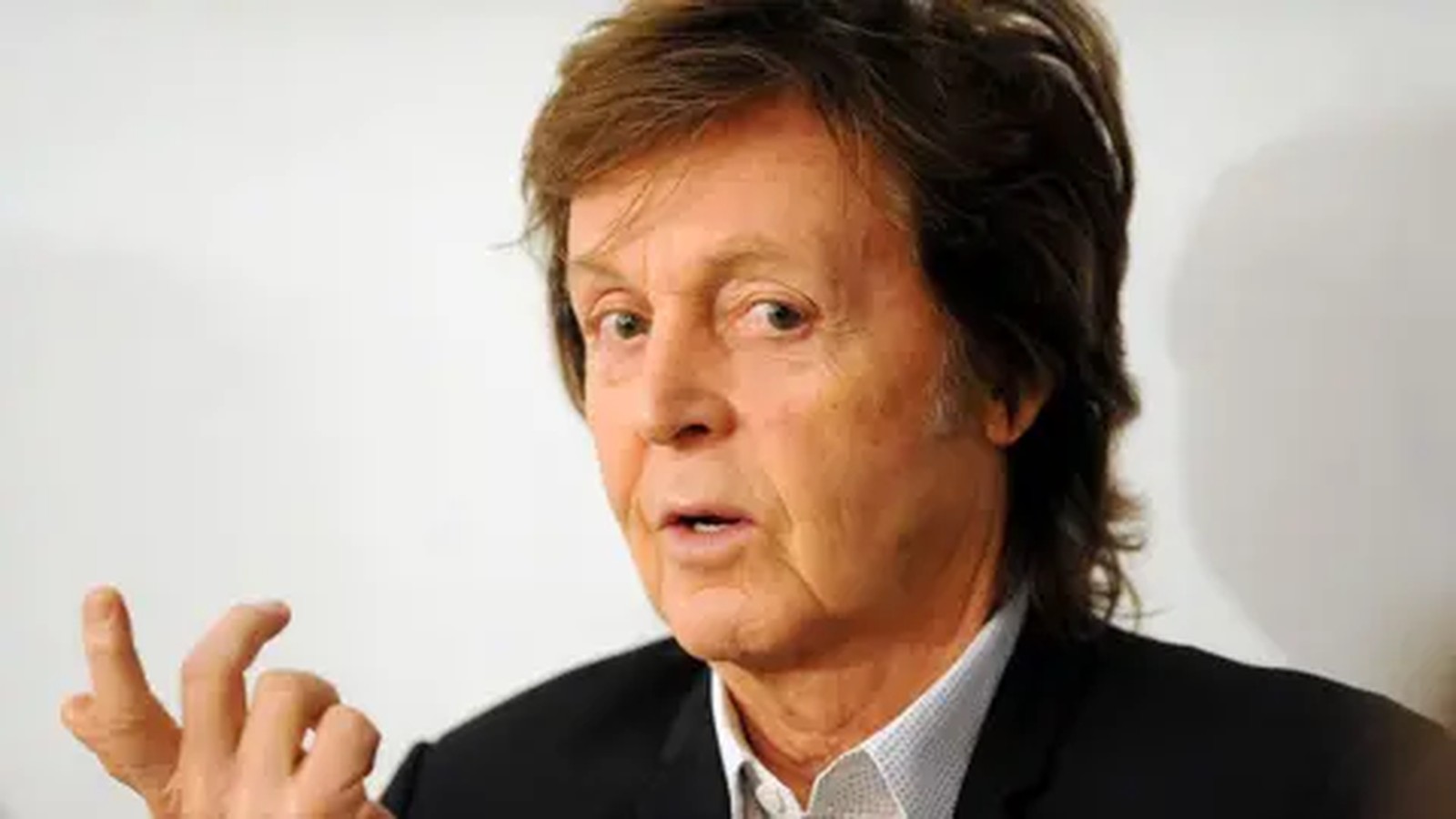
At 83, Paul McCartney remains a formidable force in global music, balancing the preservation of his monumental past with an insatiable drive to innovate. His latest studio effort, The Boys of Dungeon Lane, has garnered significant critical acclaim, with outlets like Variety and Rolling Stone labeling it a late-career masterpiece. The album serves as a sonic memoir, featuring 14 tracks that traverse diverse musical landscapes, from the jazz-inflected “Salesman Saint” to the raw, high-energy rock of “As You Lie There.”
The record’s genesis highlights McCartney’s collaborative spirit and his penchant for experimentation. Working alongside producer Andrew Watt, McCartney has managed to synthesize modern production sensibilities with the classic melodic instincts that defined his work with The Beatles and Wings. The track “As You Lie There” is a testament to this, born from an impromptu jam session in Los Angeles where McCartney discovered a “weird chord” that formed the foundation of the song.
The Archivist of His Own Life
Much of the narrative surrounding The Boys of Dungeon Lane revolves around the concept of memory. McCartney has spent significant time revisiting his past, both through his own archives and the broader cultural lens. He credits his late engineer, Eddie Klein, for preserving the demo that became the track “Lost Horizon,” proving that McCartney’s creative well remains deep. However, he remains pragmatic about the potential for further “archival releases,” noting that while the Beatles’ Anthology project and Peter Jackson’s Get Back documentary helped clarify the band’s history, he is cautious about over-saturating his discography with unfinished outtakes.
The Get Back documentary was particularly transformative for McCartney, who spent decades laboring under the historical weight of being labeled the person who “broke up The Beatles.” Seeing the candid footage allowed him to reconcile his memory of the sessions with the public narrative, ultimately providing a sense of closure regarding his role in the group’s final years.
Looking Forward: Prince, Pop Stars, and Performance
McCartney’s curiosity extends beyond his own catalog. He has publicly expressed a desire to work with the estate of the late Prince to unearth a rare, “rocky” cover of “The Long and Winding Road.” McCartney’s admiration for Prince—whom he described as a “wizard” of the guitar—underscores his ongoing engagement with the broader rock canon. Similarly, his recent interactions with a new generation of pop stars, including Taylor Swift, Billie Eilish, and Olivia Rodrigo, illustrate a transition from peer to mentor. He views these relationships with the warmth of an “older brother” or “granddad,” noting the parallels between their current global influence and the Beatlemania of the 1960s.
As he prepares for unique public appearances, such as an upcoming feature on the YouTube series Chicken Shop Date, and observes the development of biopics—where Paul Mescal is set to portray him—McCartney shows no signs of slowing down. He remains intrigued by the intersection of technology and live performance, acknowledging the success of the ABBA Voyage hologram concerts as a potential blueprint for future possibilities involving The Beatles’ legacy.
The enduring vitality of Paul McCartney’s career is not merely a result of his historical stature but of his refusal to treat his work as a museum piece. By blending the nostalgia of his Liverpool upbringing with the technical curiosity of an artist still searching for the next “weird chord,” McCartney sustains a rare relevance in the 21st century. His ability to navigate the complexities of his own myth-making—whether through the lens of documentary film or the curation of his own archives—suggests that his final chapter is still being written with the same meticulous attention to melody and storytelling that defined his youth.