


A New Industrial Reality
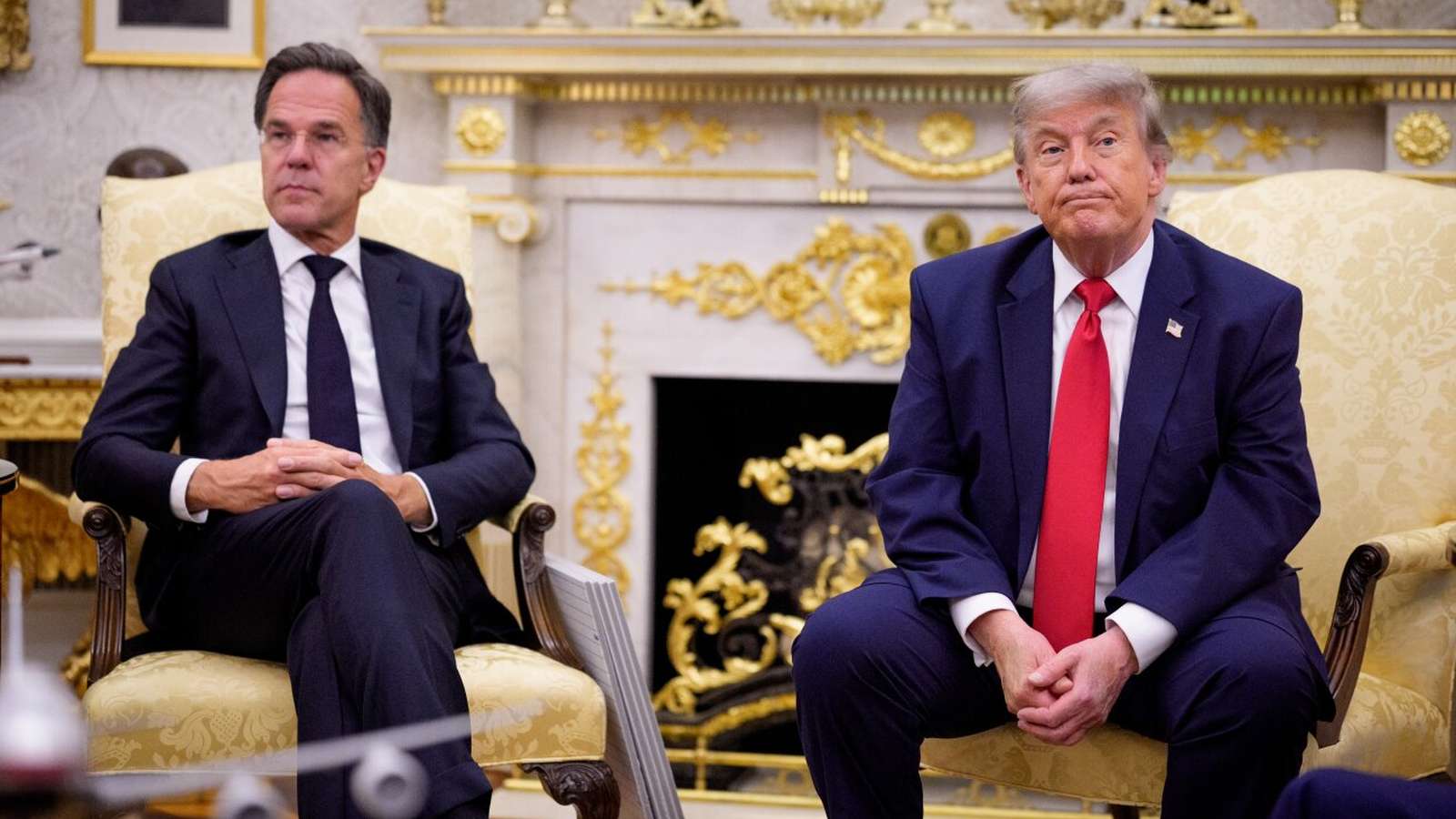
As NATO leaders gather in Ankara for this year’s summit, the alliance is facing a fundamental pivot in its operational and financial philosophy. NATO Secretary General Mark Rutte has set a pragmatic tone for the proceedings, explicitly urging member states to acknowledge that the persistent pressure from US President Donald Trump regarding defense spending has been both necessary and correct.
The summit, hosted by Turkish President Recep Tayyip Erdogan, arrives against a backdrop of ongoing conflict in Ukraine and heightened US demands for European self-reliance. During his addresses to the Defense Industry Forum, Rutte called for a ‘trans-Atlantic defense industrial revolution.’ He argued that the alliance must move beyond mere budgetary promises and focus on tangible military output, stating that the ‘hum of machinery must become a roar.’
The ‘Trump Trillion’ and Financial Stakes
The core of the current diplomatic friction lies in the shifting economic expectations placed on NATO members. Following the 2025 summit in The Hague, allies committed to a significant increase in defense spending, aiming for 5% of GDP by 2035—a sharp rise from the previous 2% benchmark. Rutte has championed this as the ‘Trump Trillion,’ using hard data to demonstrate to the White House that the alliance is finally taking the US president’s concerns seriously.
Despite this, President Trump remains critical. During his arrival in Ankara, he described the alliance as a ‘paper tiger’ that would struggle to function without American leadership and hardware. Trump’s skepticism is coupled with ongoing bilateral tensions, including his reiterated desire for the US to exert control over Greenland, a point of contention that continues to strain relations with Denmark.
Analysis: The Price of Strategic Autonomy
The current summit in Ankara is less about traditional diplomatic consensus and more about managing the volatile dynamics of the US-NATO relationship. For years, European capitals operated under the assumption that US security guarantees were immutable. The ‘Trump era’ has effectively dismantled that assumption.
The push for a 5% GDP defense target is not merely a fiscal adjustment; it represents a fundamental reordering of the Transatlantic partnership. By forcing European nations to procure domestic and American-made hardware—such as the multibillion-dollar Saab early warning aircraft deal or the Rheinmetall-Lockheed Martin production agreement for ATACMS missiles—the alliance is attempting to synchronize its industrial base with its geopolitical goals. However, this transition is fraught with risk. If Europe fails to deliver on these massive procurement projects, the ‘paper tiger’ critique from Washington may find even more resonance. The alliance is currently in a race against time, trying to prove that it can secure its own periphery while keeping its most important member satisfied.