


A New Chapter Beyond the Pitch
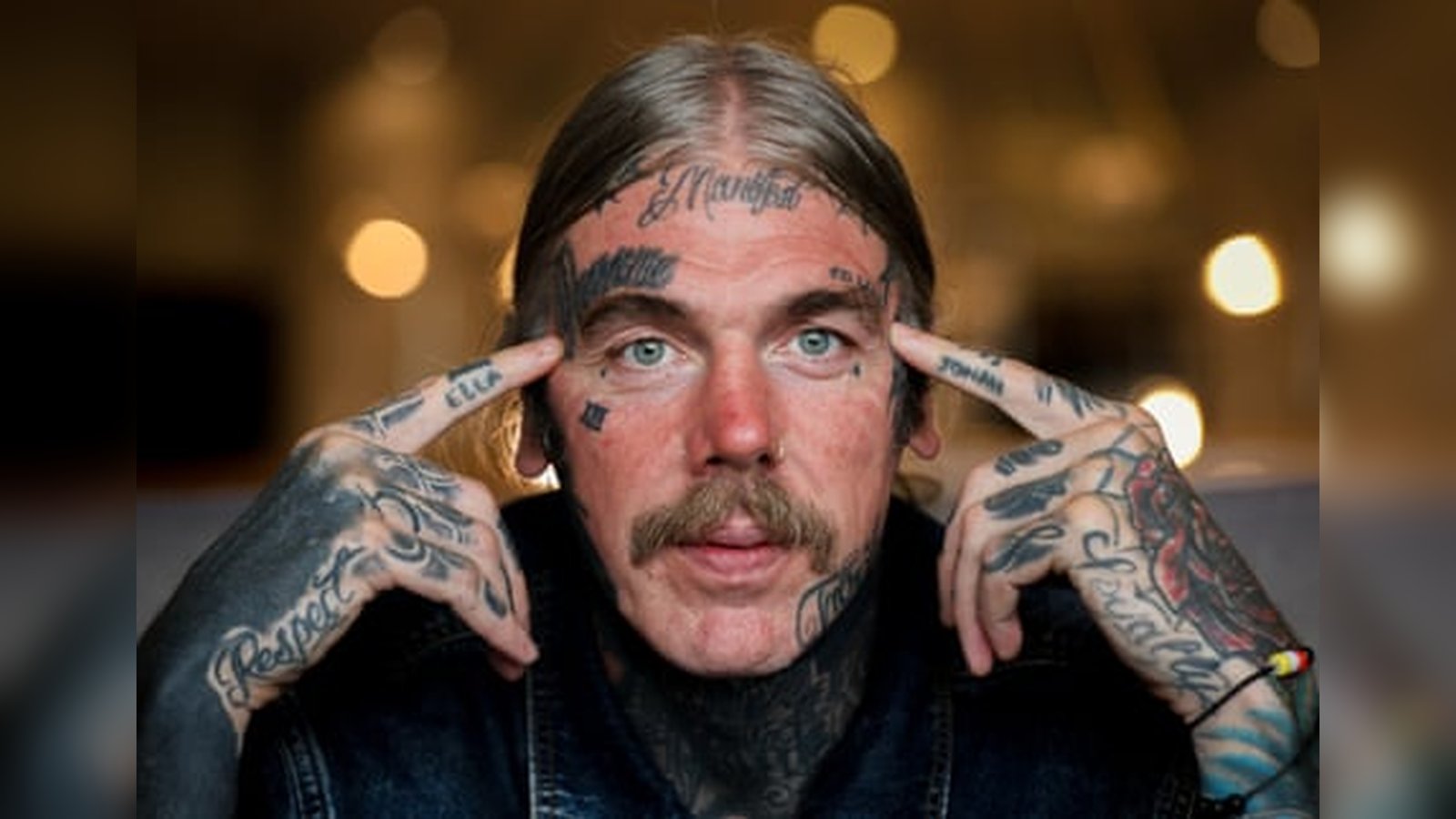
Ryan Caldwell, the former Ireland international rugby player who once served as a formidable enforcer for clubs including Ulster, Bath, and Exeter, has released a candid memoir titled White Lines: a Rugby Life Broken and Rebuilt. Published on September 1, 2026, the book offers a sobering look at the physical and psychological toll of professional rugby, detailing Caldwell’s transition from a high-stakes athletic career to his current focus as a meditation and breathwork teacher.
Caldwell’s career was defined by intense physicality, but it was also marked by severe injury and untreated trauma. In his memoir, he recounts the 2007 training ground incident involving future Ireland captain Paul O’Connell, where a punch left Caldwell unconscious, requiring on-field resuscitation. While he acknowledges the incident as a pivotal moment, Caldwell emphasizes that it was merely one part of a broader, systemic struggle within the sport—a culture where vulnerability was discouraged and physical pain was managed with heavy medication.
The Cost of the Professional Game
The memoir outlines a downward spiral that followed his retirement in 2014, triggered by a final, career-ending concussion. Caldwell describes a period of deep depression, substance abuse, and eventual incarceration. He speaks openly about the “hard-man” persona he felt compelled to adopt, noting that he lacked the emotional language to address his internal struggles while balancing the demands of professional play. His account highlights how injury management often relied on heavy pharmaceuticals, such as Tramadol and diazepam, which he claims were readily available to players despite their significant side effects.
Rather than seeking compensation through the legal channels currently being pursued by many former players, Caldwell has chosen to focus on his personal rehabilitation. His journey to recovery included a radical shift toward alternative therapies, including the use of plant-based medicine in the Amazon and the eventual adoption of breathwork and meditation. These practices now form the core of his work, as he hosts retreats designed to provide a safe space for others to address grief, anxiety, and trauma.
Rebuilding Relationships
Caldwell’s narrative is also one of reconciliation. He has successfully repaired his relationships with his parents, who he notes are more “relaxed” and open with him today than at any point in his youth. His connection to rugby has also evolved; after years of distancing himself from the sport, he recently returned to Ravenhill to watch Ulster play, finding that he could finally embrace the game as a part of his past without being consumed by the trauma associated with it.
Now approaching his 42nd birthday, Caldwell describes himself as being in a state of “underlying peace.” While he acknowledges that his memory and health have been permanently altered by his time on the pitch, he views his past hardships as a necessary path to his current purpose in helping others navigate their own healing processes.