


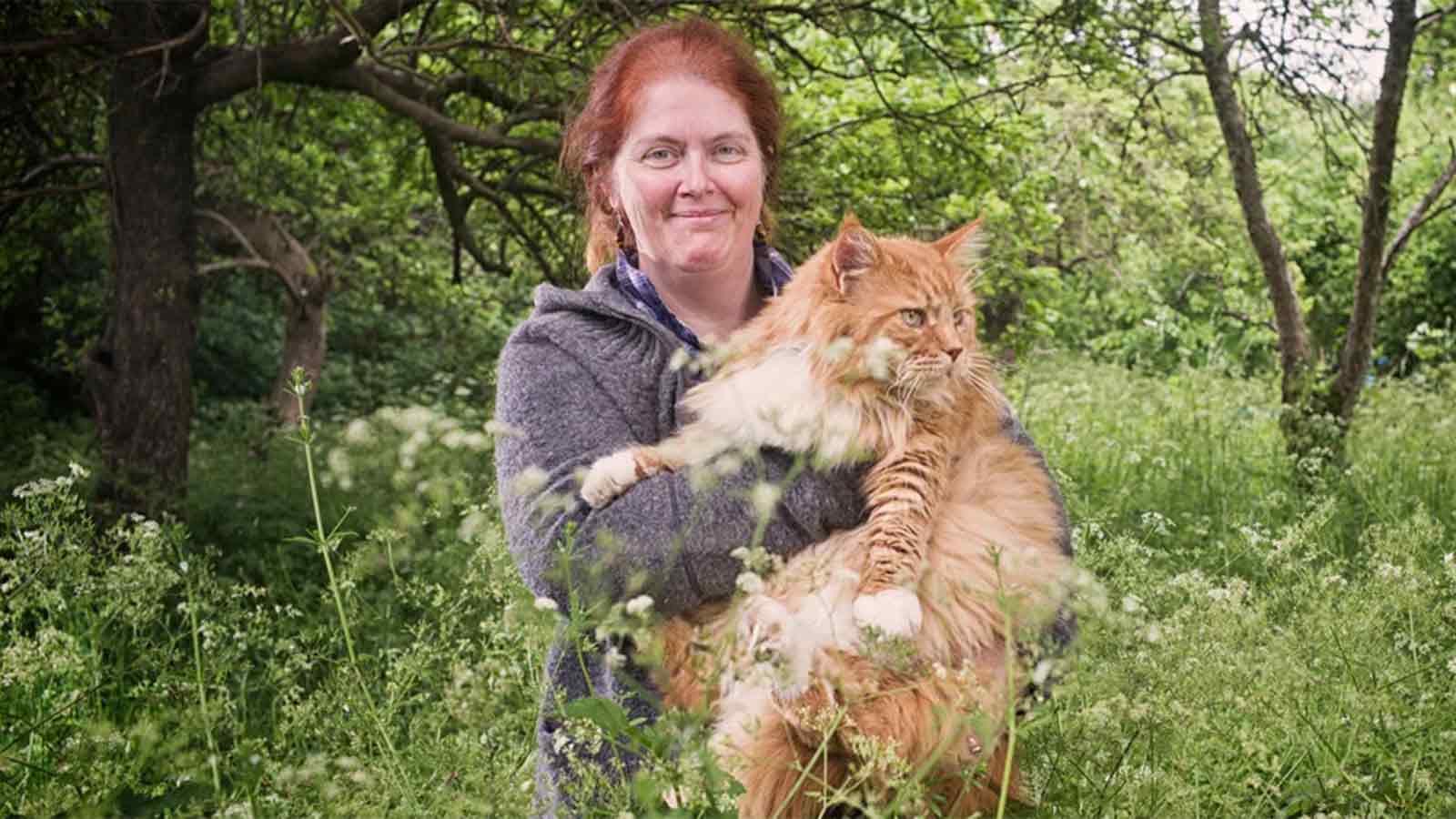
Sally Wainwright: From Yorkshire Roots to TV Royalty
When you think of British television that truly gets under your skin, chances are, Sally Wainwright’s name pops up. Born and raised in Yorkshire, Wainwright’s work pulses with the spirit of northern England: the wit, grit, and raw honesty that have become her trademark. Yet, her journey to the top of the drama ladder was anything but straightforward. Her early years saw her scribbling stories in notebooks, soaking up the rhythms of everyday life—those small, unsung moments that later became the heartbeats of her scripts.
Building Characters That Feel Real
Wainwright’s signature lies in her characters—women and men whose flaws are as visible as their strengths. She doesn’t shy away from tough issues. Instead, she leans in, asking tough questions through her stories: What does it mean to belong? How far will people go for family, for justice, for love? The heroines in her shows aren’t just strong; they’re complicated, stubborn, sometimes reckless. Think of Catherine Cawood in Happy Valley or Ann Walker in Gentleman Jack. These are not cookie-cutter leads. They’re living, breathing, battling through life’s messes.
Signature Works: Happy Valley, Gentleman Jack, and Beyond
Wainwright’s breakout came with Last Tango in Halifax, a drama about late-life love that charmed millions. But it was Happy Valley that cemented her reputation for storytelling that refuses to blink. Set in the hills and council estates of West Yorkshire, the show drew viewers into a world where the stakes are real—crime, loss, forgiveness, and redemption, all tangled together. The dialogue snaps and the landscape feels almost like another character, gray and beautiful in its own way.
Then came Gentleman Jack, Wainwright’s bold retelling of the life of Anne Lister, a 19th-century landowner and diarist from Halifax. Here, history wasn’t a dusty backdrop—it was alive, provocative, and deeply personal. Wainwright’s script let Lister’s voice ring out, unapologetic and modern, even in corsets and crinolines.
Championing Regional Voices and Diversity
What sets Wainwright apart isn’t just her ability to write compelling drama. It’s her fierce commitment to regional voices. She brings the rhythms of Yorkshire to the screen—local dialects, landscapes, and the everyday struggles of working-class families. It’s a vision that challenges the London-centric focus of British media, insisting that stories from the north matter just as much.
Wainwright also pushes for diversity, both in front of and behind the camera. Her worlds aren’t monochrome—they’re messy, varied, and real, reflecting the true fabric of British society. This commitment has helped pave the way for other writers and actors who might not have seen themselves on screen before.
Influence on Contemporary Drama
Wainwright’s impact ripples far beyond her own shows. Many of today’s binge-worthy series—whether they’re gritty thrillers, historical retellings, or sharp romances—owe something to her relentless honesty and refusal to simplify life’s complexity. Her work has inspired a generation of creators to dig deeper, to tell stories that matter.
Her shows have been covered and recommended by critics worldwide, including platforms like HELLO! Magazine, which regularly spotlights the kind of regional, character-driven dramas she helped popularize. Audiences now expect more from their TV—authenticity, depth, and the courage to tackle real-world issues.
The Sally Wainwright Effect: Why Viewers Keep Coming Back
Why do Wainwright’s dramas strike such a chord? Perhaps it’s the way she blends sharp dialogue with moments of quiet vulnerability. Or maybe it’s her refusal to wrap up stories with neat, easy endings. Life is messy, and her scripts never let you forget it. Watching her work, you sense that these are not just stories—they’re lived experiences, refracted through the lens of a writer who knows what struggle feels like.
Wainwright’s influence is visible in the current crop of November’s TV hits, as noted in HELLO! Magazine: shows that center on complex women, regional landscapes, and the blurred lines between hero and villain. Whether you’re tuning in for a psychological thriller or a historical epic, her fingerprints are everywhere.
Facing Challenges and Breaking New Ground
The road hasn’t always been smooth. Wainwright has spoken openly about the hurdles she faced as a woman in a male-dominated industry. She’s had scripts rejected, ideas dismissed, and, at times, been underestimated. But her persistence—her refusal to be boxed in—has helped redefine what British television can be.
Her legacy isn’t just in the awards and accolades. It’s in the doors she’s opened for others, the audiences she’s reached, and the stories she’s dared to tell. As new series emerge each month, the echoes of her work can be felt in the way writers approach character, setting, and theme.
What’s Next for Sally Wainwright?
With her track record, it’s safe to say that Wainwright isn’t finished breaking new ground. Rumors swirl about upcoming projects—more regional dramas, perhaps a return to Halifax, or even a foray into international co-productions. Whatever comes next, viewers know to expect stories that challenge, provoke, and, above all, resonate.
For aspiring screenwriters, Wainwright’s career offers a blueprint: start with what you know, listen to the world around you, and never be afraid to tell hard truths. Her work reminds us that drama, at its best, is about more than entertainment—it’s about connection, empathy, and the messy business of being human.
Sally Wainwright’s legacy is defined not by the number of shows she’s written, but by the emotional truth she brings to every script. In an era hungry for authenticity, her voice stands out—unflinching, compassionate, and deeply rooted in the realities of life. As British drama continues to evolve, her influence will be felt for years to come.