


Quick Read
- Sam Altman, OpenAI CEO, admits to being ‘a little bit scared’ of AI advancements.
- OpenAI faces challenges like GPU shortages and regulatory pressures.
- Altman emphasizes the importance of balancing innovation with societal safety.
- The rapid release of AI models has reshaped industries and labor markets.
- Altman sees fear as a healthy motivator for responsible AI development.
OpenAI’s Rapid Growth and Its Challenges
OpenAI, the organization behind groundbreaking AI technologies like ChatGPT, has been at the forefront of artificial intelligence development. CEO Sam Altman has openly acknowledged the dual-edged nature of this rapid progress, describing it as both exciting and daunting. In 2023, Altman candidly admitted to being ‘a little bit scared’ of the capabilities of AI systems his team was building. Today, that caution has evolved into a central theme of OpenAI’s mission to balance innovation with safety.
 GPU Shortages and Operational Strain
One of the critical challenges OpenAI faces is the shortage of GPUs, which are essential for training and running advanced AI models. Altman recently revealed that the company’s GPUs are “melting” under the demand, highlighting the strain imposed by the growing user base of over 800 million weekly users. This demand has led OpenAI to implement temporary measures like rate limits and borrowing compute capacity from research operations, underscoring the need for more robust infrastructure.
AI’s Impact on Labor Markets
The rapid advancement of AI technologies has not only transformed industries but also disrupted labor markets. Reports indicate that over 61,000 tech workers have lost their jobs in 2025 due to AI-driven restructuring. Major companies like Microsoft, Google, and Amazon have reduced their workforce while reallocating resources to AI infrastructure. This shift has sparked concerns among employees, with petitions for fair severance and voluntary buyouts gaining traction.
Regulation as a National Security Imperative
Altman has been vocal about the necessity of regulatory frameworks to guide AI development. In May 2025, he appeared before the U.S. Senate Commerce Committee, advocating for legislation that balances innovation with societal safety. Altman framed AI regulation as a national security priority, emphasizing the risks of deepfakes, cyberattacks, and other misuse of AI technologies. He likened the potential impact of AI to that of the internet, suggesting it could be even more transformative.
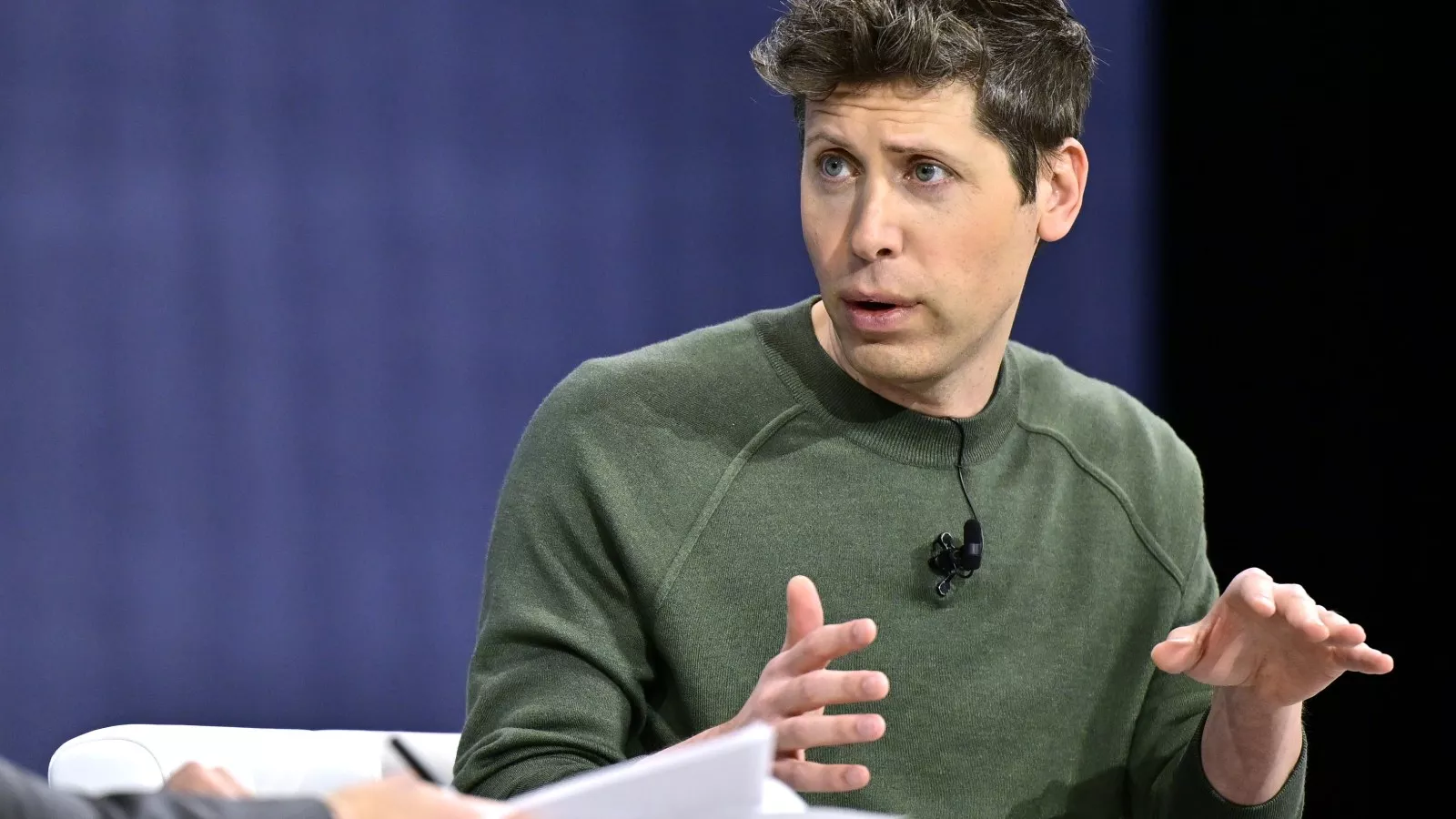 Balancing Fear and Innovation
Despite the challenges, Altman views fear as a positive force that drives responsible innovation. He believes that acknowledging the risks associated with AI development is crucial for steering the technology in a direction that benefits society. This tension between excitement and apprehension continues to shape OpenAI’s approach as it navigates the complexities of building smarter models while addressing societal concerns.
As AI continues to evolve, the balance between innovation and regulation will remain a critical focus for leaders like Sam Altman. The challenges faced by OpenAI highlight the importance of thoughtful development and collaboration to ensure that this transformative technology serves humanity responsibly.
Source: Inkl, Theglobeandmail