


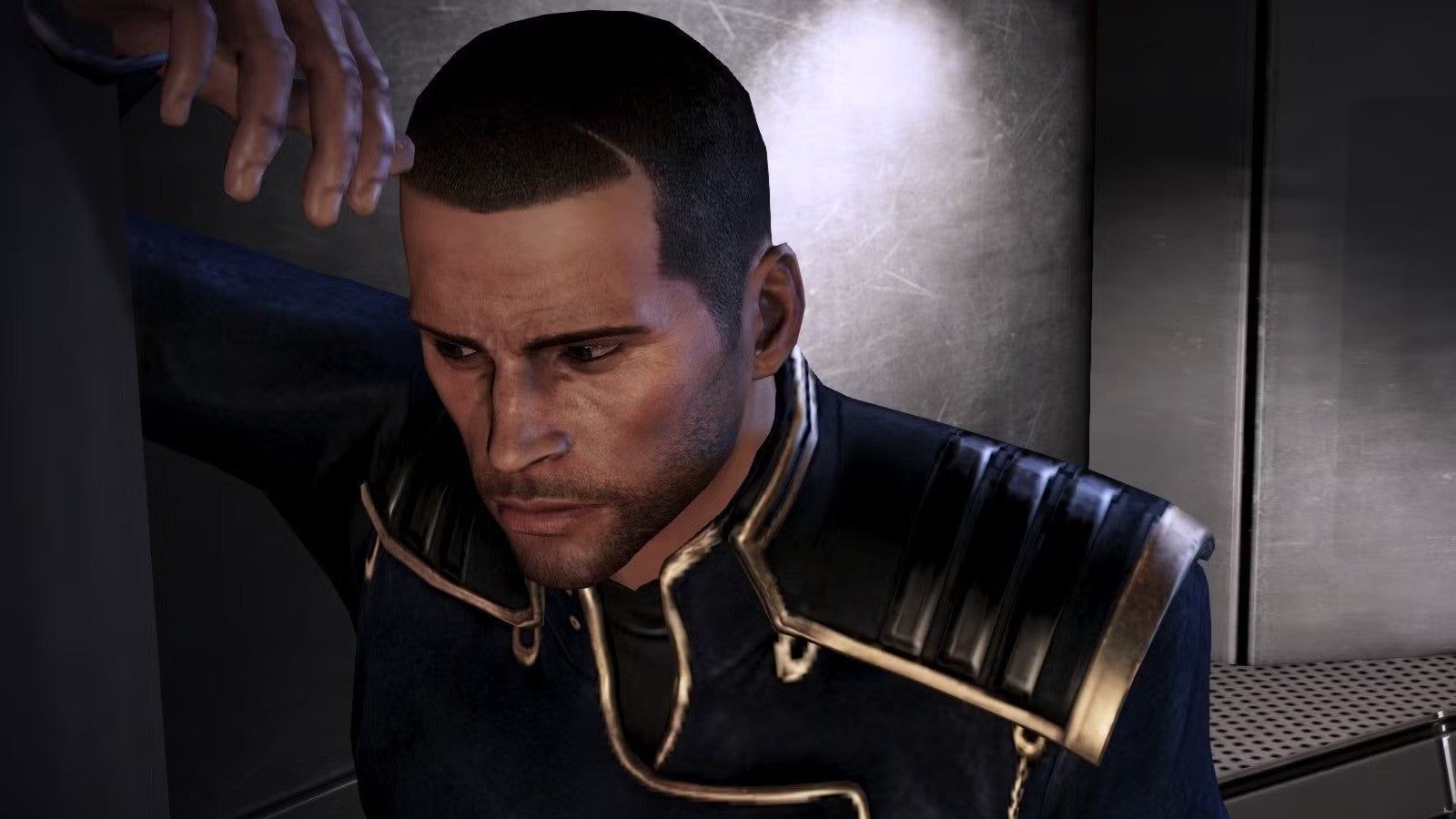
The Sudden Closure of a Legendary Developer
Electronic Arts has officially closed its longtime development partner BioWare (Eurogamer), bringing a definitive end to the iconic studio behind foundational franchises such as Mass Effect and Dragon Age. Eurogamer reported that the sudden shuttering impacts around 50 staff members who were actively engaged in pre-production on the next installment in the Mass Effect series. The closure follows close on the heels of EA’s approved $55 billion private acquisition, a massive corporate maneuver that has immediately paved the way for sweeping restructuring and workforce reductions across legacy divisions.
For an industry that watched BioWare pioneer narrative-driven role-playing games over nearly three decades, the dissolution marks the fading of another historical giant. The studio’s final release, Dragon Age: The Veilguard, had faced sharp division among critics and players regarding its narrative direction and mechanical choices. Despite that mixed reception, developers and industry veterans maintained that a core group of creators remained committed to steering the studio back to its acclaimed heritage through the next Mass Effect.
Chasing Unprecedented Autonomy and Choice
In the wake of the closure, former staff members have begun to reveal glimpses of what the unbuilt sequel was intended to achieve. Tony de Waal, a veteran cinematics lead who returned to BioWare in 2021 after beginning his career there decades prior, shared details on LinkedIn about the team’s overarching design philosophy. According to 80 Level, de Waal stated that the project aimed to deliver “a level of autonomy and choice that no other game has been able to match.”
The development team sought inspiration from modern genre benchmarks, specifically observing the widespread success of Larian Studios’ Baldur’s Gate 3 and CD Projekt Red’s work on The Witcher and Cyberpunk 2077. By analyzing how those contemporary titles handled player agency and narrative reactivity, BioWare’s creators wanted to elevate the Mass Effect formula while preserving the core identity established within the original trilogy. Although de Waal did not specify concrete gameplay mechanics, he emphasized that a small, highly dedicated team was punching far above its weight class to construct something distinct before the plug was pulled.
Industry Aftermath and the Corporate Shift at EA
The closure has drawn widespread mourning and reflection from former alumni across the games industry. David Gaider, the former lead writer for the Dragon Age franchise, expressed his sorrow on social media, noting that while the decision was hardly shocking given current market realities and the massive Saudi-backed corporate buyout of EA, it remains a painful blow to gaming history. Gaider underscored that at its peak, BioWare set the gold standard for storytelling in interactive media.
Beyond the immediate human cost to the 50 affected developers, the closure signals a broader institutional retreat within Electronic Arts. With BioWare shuttered, EA’s active non-casual project slate outside of its dominant sports and shooter franchises narrows significantly, leaving primarily an unannounced Star Wars Jedi sequel and an upcoming Marvel’s Iron Man game. The shift highlights a corporate pivot away from resource-intensive, single-player role-playing epics in favor of safer, higher-margin commercial properties.