

Quick Read
- Sam Neill starred as Dr. Weir in the dark sci-fi classic Event Horizon (1997).
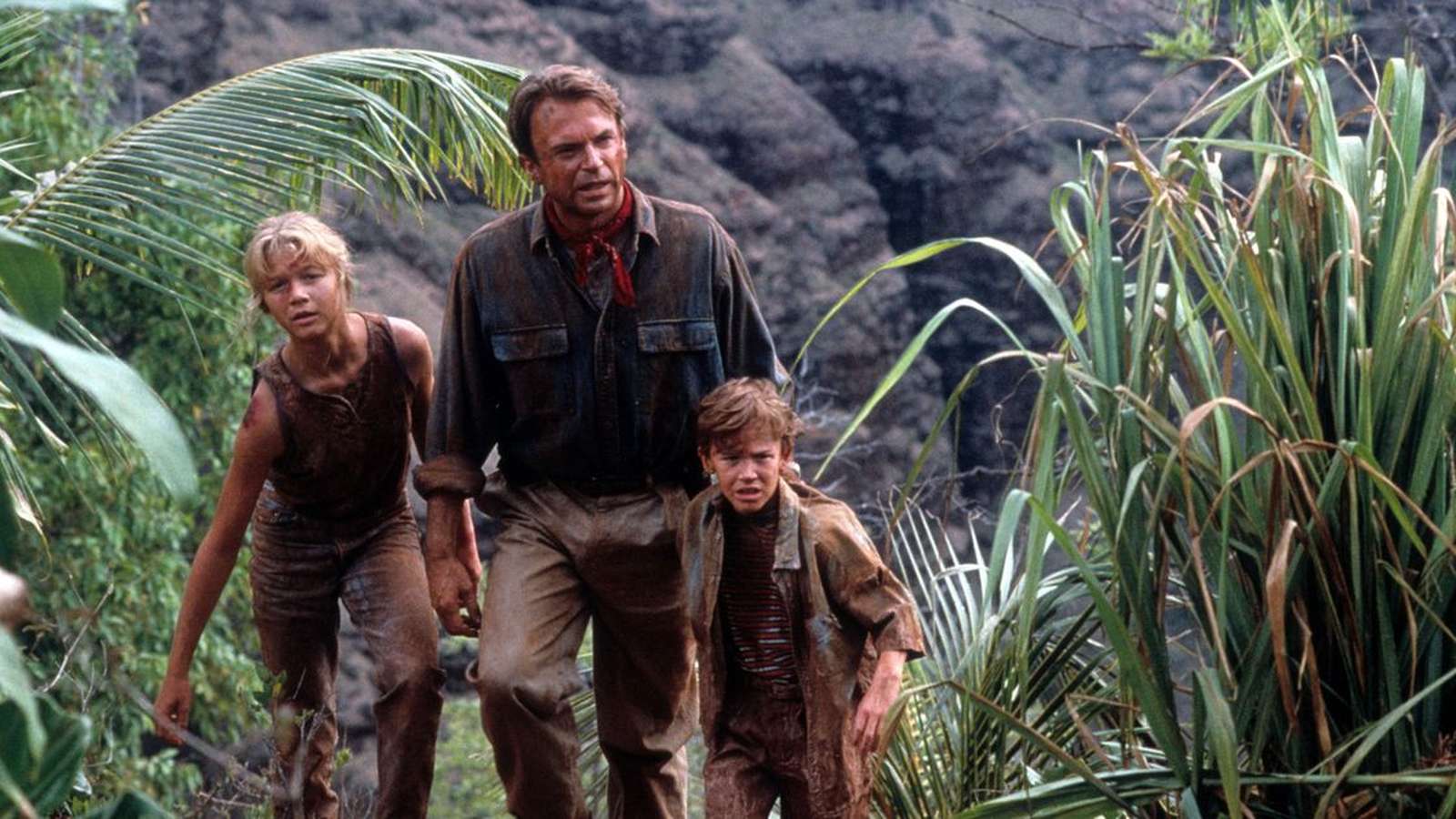
- Neill played Dr. Alan Grant in Jurassic Park (1993), a landmark film with innovative practical effects and minimal CGI.
- Jurassic Park’s T. rex animatronic sometimes moved unexpectedly due to water absorption, creating behind-the-scenes challenges.
There are few actors who can claim a resume as diverse and influential as Sam Neill’s. For over four decades, Neill has been a chameleon on screen, effortlessly shifting from cosmic horror to blockbuster adventure and everything in between. But it’s two films—Event Horizon and Jurassic Park—that truly showcase the breadth of his impact, not just on audiences, but on the evolution of science fiction and adventure cinema itself.
Sam Neill and the Dark Legacy of Event Horizon
In the world of science fiction, endings rarely come darker than those in Event Horizon. Released in 1997, the film is often remembered as one of the genre’s most chilling for its combination of cosmic horror and psychological torment. Neill’s portrayal of Dr. Weir, the scientist whose obsession leads a rescue crew into the depths of madness aboard the titular spaceship, stands as a masterclass in escalation and unease. As ComicBook.com notes, it’s the final moments that linger: the entity unleashed by the ship’s experimental gravity drive may not be defeated after all, and the survivors’ rescue feels more like a temporary reprieve than true salvation.
Neill’s performance anchors the film’s descent into terror, giving audiences a protagonist who is both brilliant and deeply flawed. It’s a role that required both gravitas and vulnerability, and Neill delivered both with unsettling precision. The ambiguous ending—hinting that evil may persist—cements Event Horizon as a sci-fi classic, and Neill’s contribution remains central to its cult status.
Jurassic Park: Sam Neill and the Secrets Behind a Cinematic Revolution
If Event Horizon is Neill’s masterstroke in horror, then Jurassic Park is his leap into mainstream legend. Directed by Steven Spielberg and based on Michael Crichton’s novel, the 1993 film changed the landscape of Hollywood forever. Neill’s role as Dr. Alan Grant—a paleontologist swept up in the chaos of resurrected dinosaurs—became instantly iconic. But the magic of Jurassic Park extended far beyond its cast.
Behind the scenes, the production was a crucible of innovation and unpredictability. According to Mirror, the set was as wild as the story: the full-size T. rex animatronic would sometimes “come alive” during rain scenes, shuddering unexpectedly as water soaked its mechanisms. The dinosaur’s roar, meanwhile, was a symphony of animal sounds—baby elephants, lions, alligators, and even a Jack Russell terrier—layered to create something truly prehistoric.
Surprisingly, Jurassic Park used remarkably little CGI for its time. Only about 15 minutes of computer-generated imagery appear in the film, with just 6 minutes dedicated to dinosaur effects. The rest relied on animatronics, puppetry, and practical effects, including trained performers in raptor suits for the infamous kitchen scene. Even the iconic water cup ripples were achieved by plucking guitar strings beneath the Jeep’s dashboard—a testament to the team’s creativity.
Production wasn’t without its challenges. Hurricane Iniki struck Kauai during filming, forcing the cast and crew to shelter in a hotel ballroom while Spielberg continued to film the storm, footage that ultimately inspired some of the movie’s most memorable moments. The film’s groundbreaking effects would go on to convince George Lucas that technology was finally ready for the next era of Star Wars.
Shaping Sci-Fi and Adventure: Neill’s Enduring Influence
What’s striking about Sam Neill’s career is his ability to anchor both the darkest and most awe-inspiring corners of science fiction. In Event Horizon, he gave viewers a glimpse into the abyss, embodying a character undone by forces beyond comprehension. In Jurassic Park, he was the steady hand guiding us through wonder and terror, making the fantastic feel personal and real.
Neill’s choices reflect a rare willingness to explore humanity’s fears and fascinations—sometimes within the same film. Whether facing cosmic evil or rampaging dinosaurs, he invites audiences not just to watch, but to question: What does survival look like when the rules of reality change? How do we confront the unknown?
Legacy and Reflection: Why Sam Neill Matters
As cinema continues to evolve, Sam Neill’s performances remain touchstones for actors and filmmakers alike. He brings a grounded humanity to stories that might otherwise feel outlandish, and his work in films like Event Horizon and Jurassic Park endures because it’s both entertaining and thought-provoking.
Neill’s legacy is not just in the roles he played, but in the way he elevated the films themselves. His career is a reminder that science fiction—and adventure—are most powerful when they’re rooted in authentic human emotion, even when surrounded by monsters or mysteries.
Sam Neill’s enduring appeal lies in his fearless exploration of the unknown, whether that means staring down cosmic horror or holding fast as dinosaurs roar to life. The stories he’s helped tell remind us that the greatest adventures are often those that challenge what we believe is possible—and force us to confront the darkness and wonder within ourselves.