


Who Is Sameer Wankhede? From Mumbai Streets to National Headlines
Sameer Wankhede’s name has become almost synonymous with the modern battle against drugs in Bollywood. Born in Maharashtra’s Washim district and raised in the bustling neighborhoods of Mumbai, Wankhede’s journey from a policeman’s son to the top echelons of Indian law enforcement reads like the script of a gritty drama.
Wankhede joined the Intelligence Bureau in Andhra Pradesh in 2006, soon moving up the ranks to the Indian Revenue Service (IRS) in 2008. His early career was a patchwork of assignments—customs at Mumbai airport, central excise, and eventually, the Narcotics Control Bureau (NCB), where his actions would eventually thrust him into the national spotlight.
It was after the untimely death of actor Sushant Singh Rajput in 2020 that Wankhede’s role took center stage. The NCB, under his direction, arrested Rhea Chakraborty and her brother Showik on drug-related charges, leading to heated debates about the intersection of celebrity and criminality in India. Wankhede’s unit continued its high-profile raids, including the arrests of comedian Bharti Singh and her husband Haarsh Limbachiyaa, and a political shockwave after detaining Sameer Khan, the son-in-law of a senior NCP leader, all under the NDPS Act. These cases were heavily covered by national outlets like Reuters and NDTV, each adding layers to Wankhede’s public persona.
The Aryan Khan Case: A Tipping Point for Public Perception
In October 2021, Wankhede’s most talked-about operation unfolded: a raid on a Goa-bound cruise ship, resulting in the arrest of Aryan Khan, son of Bollywood superstar Shah Rukh Khan. The NCB claimed to have seized a cocktail of drugs and cash, and Aryan spent nearly a month behind bars before being granted bail. The arrest sent shockwaves through India’s entertainment industry and triggered a media frenzy.
The controversy didn’t end at the courthouse doors. Allegations surfaced that Wankhede had planted evidence and demanded a Rs 25 crore bribe from Shah Rukh Khan’s family, threatening Aryan’s future. These claims, still under judicial scrutiny, have cast a shadow over Wankhede’s legacy and the integrity of anti-drug enforcement in India. In 2023, the Central Bureau of Investigation (CBI) booked Wankhede on corruption charges related to the case, fueling further speculation about the real motivations behind the high-profile bust.
Wankhede’s tenure as NCB’s Mumbai zonal director ended in December 2021. He was subsequently transferred to other departments, including the Directorate of Revenue Intelligence and later to the Directorate General of Taxpayers Services in Chennai. Despite these shifts, he has continued to present himself as an anti-drugs crusader and social worker, even as rumors swirled about possible political ambitions due to his ties with the Rashtriya Swayamsevak Sangh (RSS) and the BJP. However, those close to him insist that “Sameer dada” remains largely apolitical, focusing on his mission rather than political maneuvering (ThePrint).
The Netflix Series: Entertainment Collides with Real-Life Controversy
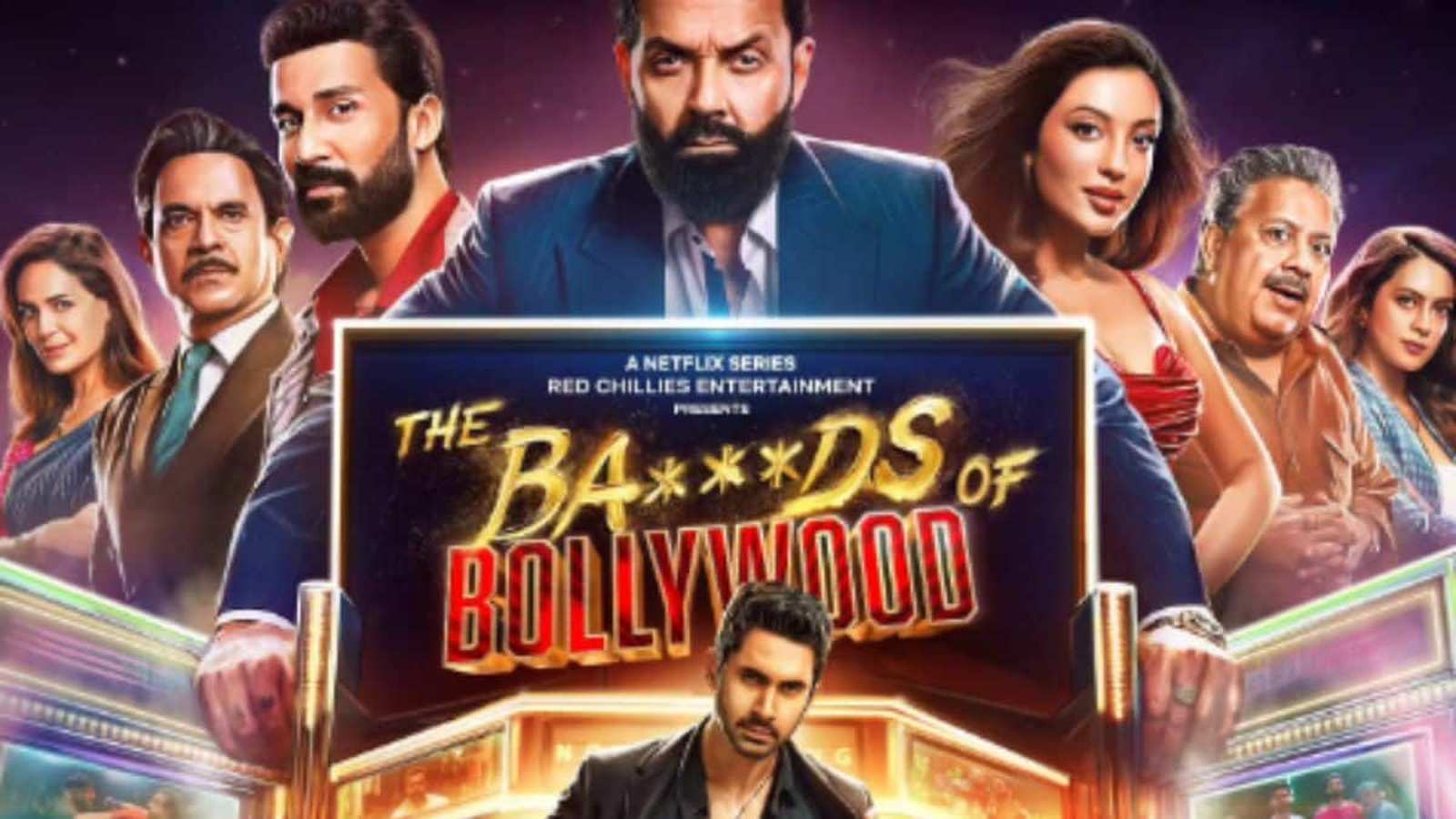
Fast forward to 2025, and the release of Aryan Khan’s directorial debut, The Ba***ds of Bollywood, on Netflix has reignited old wounds. The series, produced by Shah Rukh Khan’s Red Chillies Entertainment, has been praised for its bold storytelling, but not everyone is applauding. Wankhede alleges that the show contains “false, malicious, and defamatory content” specifically targeting him and the work of anti-drug enforcement agencies.
Within days of its release, viewers pointed out a character who bore an uncanny resemblance to Wankhede—white shirt, dark pants, distinct hair—making a dramatic entrance at a lavish Bollywood party, accusing celebrities of drug abuse. Social media erupted with claims that the series was a thinly veiled attack on Wankhede’s reputation, a narrative that gained traction after Wankhede himself filed a defamation suit in the Delhi High Court against Netflix and Red Chillies Entertainment.
Wankhede’s plea, as reported by ANI and Press Trust of India, is clear: he seeks Rs 2 crore in damages, which he has pledged to donate to the Tata Memorial Cancer Hospital. He’s also asking for a permanent injunction to halt the series, arguing that it “erodes public confidence in law enforcement institutions.” In his view, the show’s negative portrayal of anti-drug agencies is not just a personal attack—it’s a threat to public trust in the system itself.
Legal and Ethical Implications: Where Does the Line Lie?
The legal arguments extend beyond simple defamation. Wankhede claims that the series violates the Prevention of Insults to National Honour Act, 1971, particularly in a scene where a character makes an obscene gesture after reciting the national slogan “Satyamev Jayate.” He also alleges breaches of the Information Technology Act and the Bharatiya Nyaya Sanhita (BNS), suggesting that the series deliberately seeks to outrage national sentiment through offensive material.
Netflix and Red Chillies Entertainment have yet to make a detailed public statement, but the case has sparked a wider debate about artistic freedom, media responsibility, and the real-world consequences of storytelling. For Aryan Khan, the series is reportedly inspired by his own experiences—including his time in jail—and is said to offer a raw, self-aware critique of the Bollywood ecosystem.
Notably, the legal proceedings are ongoing, with the matter still pending before the Bombay High Court and NDPS Special Court in Mumbai. The tension between entertainment and reality is palpable, with fans and critics alike dissecting every scene for hidden meanings and personal digs. As Lakshya, a cast member, noted in an interview with SCREEN, the series’ humor and boldness have surprised even those involved in its creation.
Impact and Public Reaction: Reputation, Justice, and the Role of Media
Sameer Wankhede’s legal battle is more than a personal vendetta—it’s a reflection of the shifting sands between law, entertainment, and public perception in India. The story resonates beyond the courtroom, challenging viewers to ask: How much of what we see on screen is “truth,” and how much is creative license?
For Wankhede, whose reputation has been built on tough, headline-grabbing investigations, the stakes are high. The outcome of this case may set a precedent for how real-life figures are portrayed in popular media—and whether law enforcement officials can shield themselves from what they perceive as damaging misrepresentation. For Aryan Khan and the creative team, the dispute is a test of their right to tell stories that blur the line between reality and fiction.
In a country where the line between celebrity and authority is often thin and fraught, the Wankhede-Khan legal saga is emblematic of the challenges facing both law enforcement and the entertainment industry. As the court deliberates, millions watch, waiting to see whether reputation or artistic freedom will triumph.
Assessment: The confrontation between Sameer Wankhede and Aryan Khan’s Netflix series is a microcosm of India’s broader struggle with balancing free expression and institutional reputation. The legal outcome will echo beyond the individuals involved, shaping how real-life controversies are depicted on screen and how society interprets the blurred boundaries between fact and fiction.