


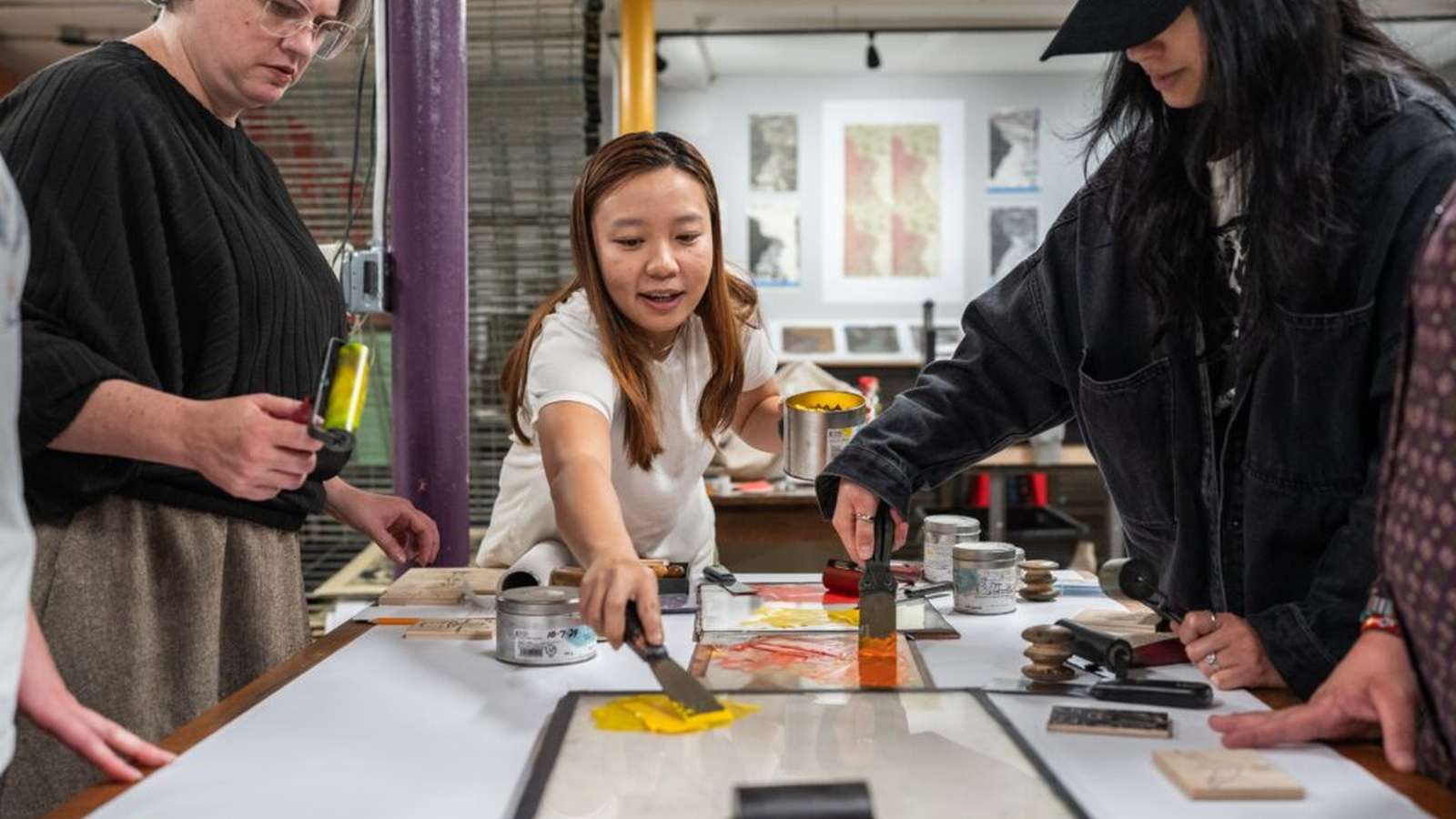
New research published in scientific journals highlights how engaging in repetitive, hands-on activities such as knitting, crocheting, and woodworking offers measurable benefits for mental health and cognitive longevity. According to an article published by DNyuz on October 25, 2026, medical professionals and neuroscientists are increasingly pointing to crafting as a powerful tool for grounding individuals experiencing acute anxiety, managing post-deployment distress, and building cognitive reserve.
For many practitioners, the benefits extend beyond simple recreation. Kerstin Amezcua, a 35-year-old former Army doctor in the United States, turned to crochet following her deployment to Kuwait. Facing overwhelming anxiety and failing coping mechanisms, she found that the repetitive motion provided an essential anchor. “I am pretty convinced that it saved my life,” Amezcua said, echoing the observations of mental health advocates who note that physical making engages both hands and mind in soothing, predictable patterns.
Neurological Anchors and Cognitive Reserve
Neurologists view craft activities as anchoring exercises capable of steadying individuals during distress. Yonas Geda, a neurologist at the Barrow Neurological Institute in Arizona, uses the analogy of a boat dropping anchor in a storm. While the storm cannot be stopped, grounding oneself in the present moment through physical creation helps an individual navigate the distress.
Beyond immediate stress relief, long-term studies point toward cognitive protection. In a 2019 study published in the journal Neurology, Geda and his colleagues followed approximately 2,000 individuals aged 70 and older over a five-year period. Controlling for variables such as age, gender, and education, researchers found that participants who engaged in craft activities later in life exhibited a 42 percent lower risk of developing mild cognitive impairment compared to non-crafters.
Kristine Kelly, a retired professor of psychology at Western Illinois University, explained that crafts demand simultaneous activation of multiple brain regions—including planning, short-term memory, visual processing, and manual dexterity. Utilizing the entire brain in this manner helps construct a dense neural network, building cognitive reserve that protects brain health throughout aging.
The Antidote to Screen Saturation
In addition to cognitive preservation, modern crafters and instructors emphasize the psychological value of stepping away from digital devices. Danielle Romanetti, owner of Fibre Space in Alexandria, noted that customers frequently turn to knitting to combat panic attacks and digital fatigue. Younger participants at community stitching events describe carrying “analogue bags” filled with projects to replace evening phone scrolling.
Professor Kelly characterizes digital scrolling as “junk food for the brain” that relies on instant gratification, whereas crafting provides structured, goal-oriented progress. Smooth, rhythmic movements signal safety and calm to the nervous system, effectively lowering cortisol levels and mitigating the body’s fight-or-flight response.
Practical Approaches to Creative Engagement
Experts suggest that effective crafting does not require artistic mastery or complex execution. Instead, participants should seek an optimal cognitive load—an activity challenging enough to maintain focus and induce a state of flow, but not so difficult that it causes frustration. Whether fixing vintage cars, quilting, or learning basic stitches, the primary objective is engaging neural pathways rather than producing a flawless finished product.