


Scott Galloway Takes on the Men’s Crisis: Why the Conversation Matters Now
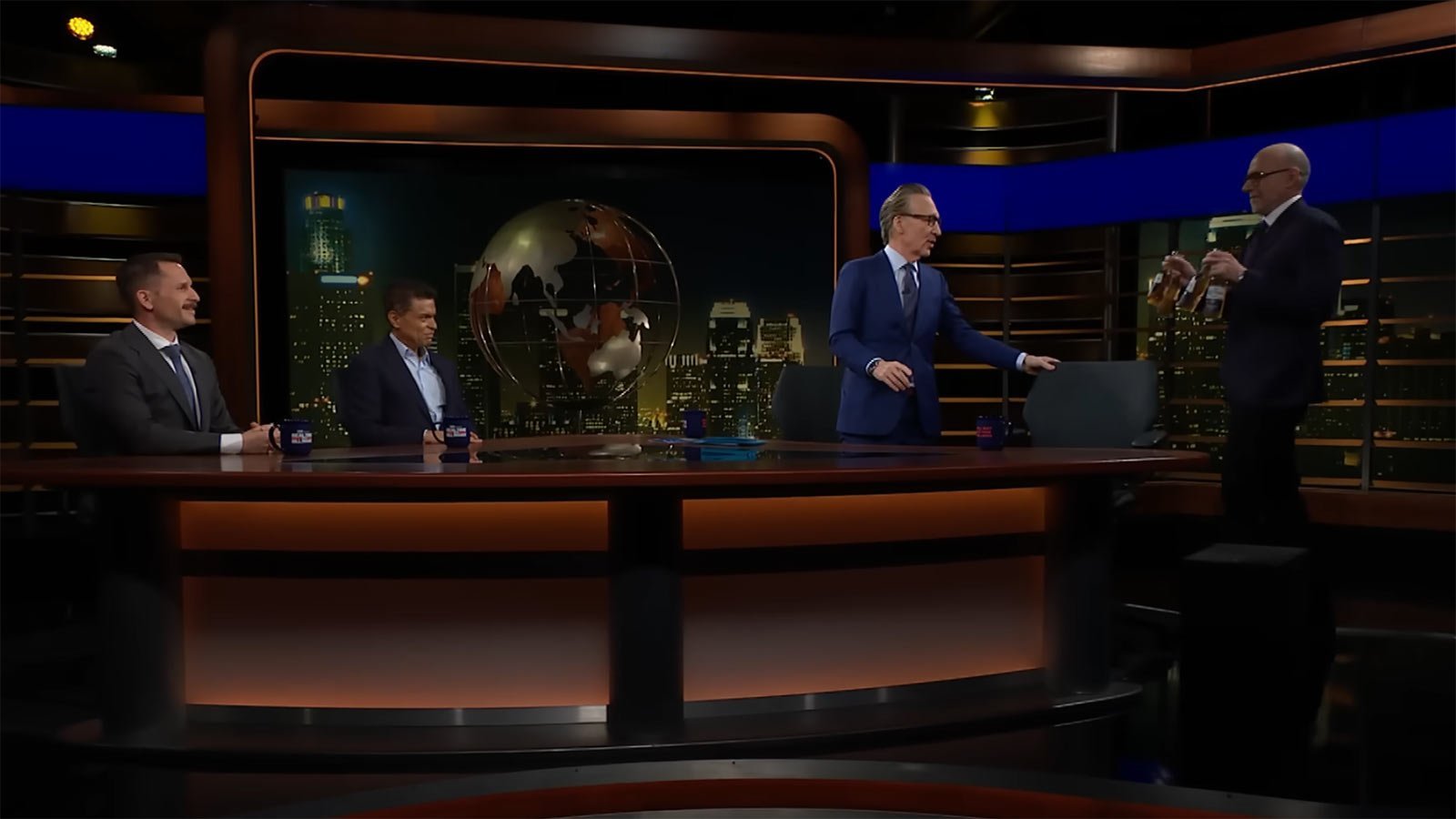
On a brisk November evening in 2025, Scott Galloway—best known as a professor, author, and sharp cultural commentator—stepped into the spotlight on HBO’s Real Time with Bill Maher. The episode was anything but routine. Joined by Josh Barro and Fareed Zakaria, Galloway confronted a subject that’s been gaining traction in American discourse: the crisis facing men in modern society.
“If you look at suicide, addiction, and homelessness, men are doing badly relative to women,” Galloway stated bluntly, setting the tone for a discussion that didn’t shy away from uncomfortable truths. His diagnosis wasn’t just about numbers—it was about the lived experiences of millions. According to Galloway, the technology sector and broader social changes have helped foster a generation of “asocial, asexual males,” unprepared for adult relationships and resilience. The solution, he argued, isn’t merely economic or political. It’s personal, rooted in the willingness to face rejection and discomfort as part of growth. “The only way you ever get to amazing ‘Yes’es is with a lot of ‘No’s.”
Relationships and Social Codes: Navigating Modern Complexity
The panel’s conversation quickly shifted from the crisis itself to the deeper questions of connection and meaning. Galloway highlighted that relationships—both romantic and social—are central to a fulfilling life. But, he cautioned, the landscape has changed. Expressing interest is more fraught, and the need for safety and respect is paramount. “It’s not just about being bold,” he said, “but making sure the other person feels safe.”
This nuance captured the tension between traditional and progressive values. Host Bill Maher, never one to let a debate pass, pushed the panel on whether men need relationships more than women. The result was an honest, sometimes raw, exchange about gender roles and expectations. For many viewers, the conversation reflected a reality they recognize but rarely see addressed so candidly on national television.
Economic Inequality and Health: The Hard Numbers
The episode’s gravity deepened when Fareed Zakaria brought international perspective to the table. “Men in the top one percent of the income distribution have 15 years’ extra life expectancy than men in the bottom one percent. There is no other civilized country in the world where you have this kind of gap,” Zakaria noted. The statistic was a gut punch—a reminder that the men’s crisis isn’t just about feelings, but about survival.
Josh Barro cut through political rhetoric, tying these disparities to healthcare. Referencing reports about a potential Trump administration plan for fixed health coverage payments, Barro was forthright: “Not if you get cancer.” The exchange underscored a critical point—the safety nets meant to protect Americans are fraying, and economic instability increasingly means health instability. The American dream, for many, feels less attainable than ever.
Politics, Affordability, and the Future of American Society
Politics, as always, lurked in the background. Maher noted that both progressive and centrist Democrats are finding traction by focusing on affordability, a theme that cuts across race, gender, and class. His sardonic comparison of American socialism to North Korea and Venezuela drew laughs, but the underlying questions were serious: Where do the lines between capitalism, socialism, and basic decency lie? For the panel, these boundaries are not just theoretical—they’re shaping lived experience, from healthcare to the ability to form meaningful relationships.
Despite the weighty subject matter, the episode didn’t lose its sense of humor. Maher joked about New York City’s scaffolding, calling it a haunted house, and shared anecdotes that lightened the mood. These moments reminded viewers that humor can help navigate even the darkest topics—and that honest debate is sometimes best served with a side of levity.
Resilience, Relationships, and the Road Ahead
At its core, Galloway’s message was clear: resilience and relationships are essential antidotes to the isolation and insecurity many men face. But his advice wasn’t just for men. As panelists debated, it became evident that the economic and social challenges discussed affect all Americans. The episode’s refusal to offer easy answers was part of its strength, inviting viewers to grapple with complexity rather than settle for platitudes.
Galloway’s emphasis on rejection as a step toward personal growth resonated in a culture obsessed with instant gratification. His warning about the “asocial, asexual” effects of tech-driven social change challenged viewers to consider the costs of digital convenience. Zakaria’s global comparisons, Barro’s evidence-based critiques, and Maher’s provocations merged into a portrait of a nation at a crossroads.
As polarization deepens, voices like Galloway’s become more essential—not because they offer certainty, but because they confront uncomfortable truths. The crisis facing men in America is not isolated; it’s woven into the broader fabric of economic insecurity and social change. The path forward, as this episode made clear, requires more than policy tweaks. It demands a willingness to rebuild the connections and opportunities that give life meaning.
In analyzing Galloway’s Real Time appearance, it’s evident that the men’s crisis is inseparable from America’s wider struggles with inequality, social fragmentation, and shifting norms. The panel’s candid debate modeled the kind of honest, empathetic conversation necessary to address these issues—reminding us that resilience and relationship-building are not just personal virtues, but vital social strategies in an era of uncertainty.