


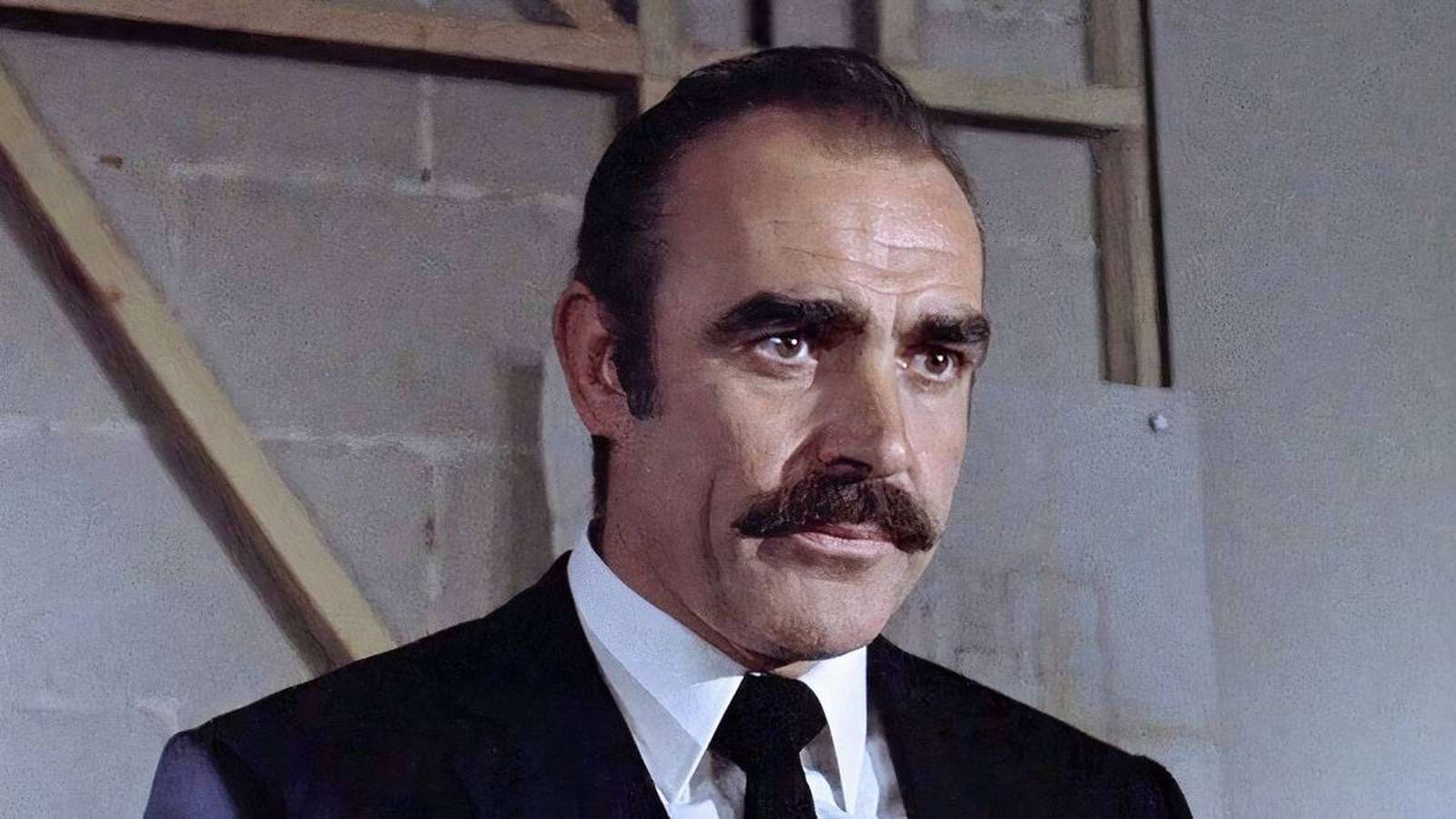
Sean Connery, the Scottish actor who became a cinematic icon, is best remembered for his portrayal of James Bond. However, his career and legacy extend far beyond the suave spy. From groundbreaking performances in films like The Offence to his philanthropic contributions to the arts, Connery’s impact on the world of entertainment is as complex as it is enduring. His ability to balance blockbuster success with deeply personal and challenging roles highlights a man deeply committed to his craft.
Sean Connery and the Evolution of James Bond
Sean Connery first stepped into the shoes of the iconic British spy James Bond in Dr. No (1962). With his commanding presence, sharp wit, and effortless charm, Connery set the standard for all Bonds to follow. He starred in several classics, including Goldfinger, From Russia with Love, and Thunderball, each of which contributed to the franchise’s global success. Connery’s portrayal was a perfect blend of danger and sophistication, making him a cultural phenomenon.
Despite the fame, Connery’s relationship with the role was complicated. He famously expressed disdain for being typecast, once stating, “I have always hated that damned James Bond. I’d like to kill him.” Yet, he returned to the role multiple times, including in Diamonds Are Forever (1971) and the non-canonical Never Say Never Again (1983), each time elevating the character while expanding his own versatility as an actor.
Beyond Bond: The Offence and Artistic Depth
While James Bond made Sean Connery a household name, it was his work in films like The Offence (1973) that showcased his depth as an actor. Directed by Sidney Lumet, the film tells the story of Detective-Sergeant Johnson, a psychologically tortured cop grappling with his own inner demons. Connery’s performance in this dark, introspective role was groundbreaking, with critics and filmmakers alike—such as Christopher Nolan—calling it his best work.
In The Offence, Connery pushed the boundaries of his craft, portraying a character whose morality and sanity are deeply questioned. The film’s slow-burn narrative and psychological intensity allowed Connery to explore the complexities of guilt, justice, and humanity. His portrayal remains a testament to his willingness to take risks and tackle challenging material.
Philanthropy and Support for the Arts
In addition to his film career, Connery was a passionate advocate for the arts. In 1996, he became the patron of the Edinburgh International Film Festival (EIFF), a role in which he helped elevate the festival’s global profile. His commitment to supporting young filmmakers and bringing international attention to Scottish cinema underscored his dedication to nurturing new talent.
Connery’s involvement with EIFF was hands-on; he not only attended the festival regularly but also used his influence to secure high-profile premieres and collaborations. His contributions to the festival and the broader arts community cemented his reputation as a champion of creative expression.
A Complex Legacy
While Connery’s career is filled with accolades, it is also marked by complexities. His candid remarks about his frustrations with the Bond franchise and his selective approach to roles reflect a man who valued artistic integrity over commercial success. Even in films he later regretted participating in, Connery brought a level of professionalism and gravitas that elevated the material.
His decision to step back from acting in the early 2000s, following his role in The League of Extraordinary Gentlemen, was indicative of his desire to preserve the dignity of his career. Despite his retirement, Connery’s influence continues to be felt in the industry, inspiring actors and filmmakers to this day.
Sean Connery’s legacy is a tapestry of cinematic achievements, artistic risks, and philanthropic contributions. Whether as James Bond or in roles that challenged societal norms, he left an indelible mark on both cinema and culture, embodying the timeless appeal of a true artist.