

Quick Read
- Shanghai Masters 2025 faced extreme heat, pushing players to their limits.
- Valentin Vacherot reached his first Masters 1000 semi-final as a qualifier.
- Concerns over player safety highlight the need for ATP heat policies.
- Breakthrough performances mark the tournament despite challenging conditions.
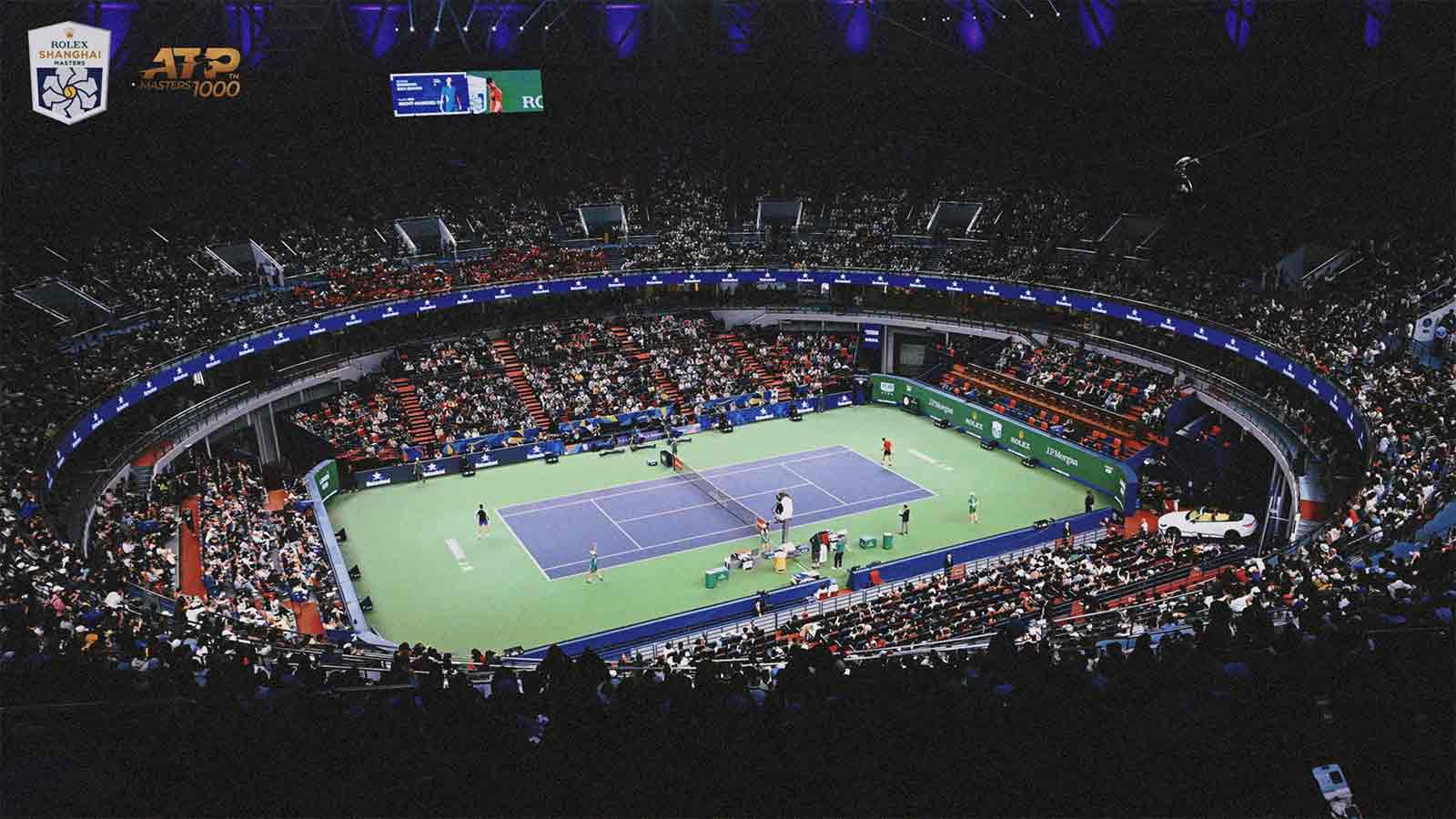
The Shanghai Masters 2025 has been a tournament of extremes, showcasing not only the athleticism and tenacity of top tennis players but also the challenges posed by severe weather conditions. This year’s event has been marked by intense matches, surprising upsets, and growing concerns about player welfare in the face of extreme heat and humidity. As the players battled it out on the courts, their resilience was tested to the limits, raising critical questions about the sport’s governance and adaptation to environmental challenges.
Extreme Heat and Player Safety
One of the most prominent narratives of the Shanghai Masters 2025 has been the grueling conditions under which players have had to compete. Humidity and heat have pushed athletes to their physical boundaries, with several players retiring mid-match due to exhaustion and health concerns. Jannik Sinner, for instance, was forced to terminate his match after struggling with cramps and severe fatigue, highlighting the human cost of playing in such oppressive conditions.
Similar scenes unfolded across matches, with Novak Djokovic vomiting during consecutive games and other players like Terence Atmane and Hamad Medjedovic unable to continue due to the heat. The lack of a standardized extreme heat policy in ATP tournaments has drawn sharp criticism. While the Women’s Tennis Association and Grand Slam events have such policies, ATP’s reliance on individual supervisors and medical teams for decision-making has been deemed insufficient by players and experts alike.
Holger Rune’s pointed question during his match—“Why doesn’t the ATP have a heat rule? You want a player to die on the court?”—has underscored the urgency of this issue. As global temperatures rise, governing bodies must prioritize player safety by implementing heat policies and adapting tournament schedules to minimize exposure to extreme conditions.
Breakthrough Performances
Despite the challenges, the Shanghai Masters 2025 has witnessed some extraordinary performances. Valentin Vacherot’s journey from alternate to semi-finalist has captured the imagination of tennis fans worldwide. The Monegasque qualifier stunned 10th seed Holger Rune in a grueling three-set match, securing his spot in the semi-finals and breaking into the Top 100 rankings for the first time in his career. Vacherot’s resilience and determination have made him a symbol of perseverance and a testament to the unpredictable nature of tennis.
Other players, such as Daniil Medvedev, Alex de Minaur, and Felix Auger-Aliassime, have also shone in the tournament. Medvedev’s tactical brilliance and ability to overcome physical setbacks were evident in his win against Learner Tien, while de Minaur’s consistency carried him to his seventh Masters 1000 quarterfinal. Auger-Aliassime’s clinical victory over Lorenzo Musetti further solidified his late-season charge, setting the stage for compelling quarterfinal matchups.
The Impact of Environmental Conditions on Tennis
The Shanghai Masters has reignited discussions about the impact of climate change and environmental conditions on sports. Tennis, a global sport often played in outdoor settings, is particularly vulnerable to extreme weather. As players grapple with the physical toll of competing in heatwaves, the sport’s governing bodies must address these challenges proactively.
Proposals such as adjusting the tournament calendar to avoid the hottest months, allowing more time between points on warmer days, and implementing comprehensive heat policies are steps in the right direction. However, these measures require coordination and cooperation among the ATP, WTA, ITF, and Grand Slam organizations. A unified approach is crucial to ensuring the safety and well-being of players while maintaining the integrity of the sport.
Looking Ahead
As the Shanghai Masters 2025 progresses, the focus remains on the players’ ability to adapt and thrive under challenging circumstances. The tournament has already delivered unforgettable moments, from Valentin Vacherot’s inspiring run to Novak Djokovic’s battle against physical exhaustion. These stories highlight the resilience of athletes and the unpredictable nature of tennis, even as they underscore the urgent need for structural reforms.
The Shanghai Masters 2025 serves as a microcosm of tennis’s broader challenges and triumphs. While players continue to inspire with their performances, the tournament is a stark reminder of the sport’s responsibility to adapt to a changing world and prioritize the health and safety of its athletes.