


Engineering Hurdles Force Schedule Revision
The Land Transport Authority (LTA) of Singapore has announced a two-year delay for the completion of the North-South Corridor (NSC), a critical multi-modal transport project. Originally slated for a phased opening starting in 2027, the 21.5km transit link is now expected to begin operations in stages from 2029, according to Channel News Asia. The delay stems from “unexpectedly challenging ground conditions” encountered during the project’s most technically demanding phase of underground construction.
The project, which began in 2018, comprises an 8.8km elevated viaduct and a 12.3km tunnel section. Under the revised schedule, the viaduct section connecting Admiralty Road West to Lentor Avenue is set to open in 2029. The more complex tunnel section, spanning from Lentor Avenue to the East Coast Parkway (ECP), is now scheduled for a phased opening starting in 2031, The Straits Times reported.
Complex Tunnelling in Densely Built Areas
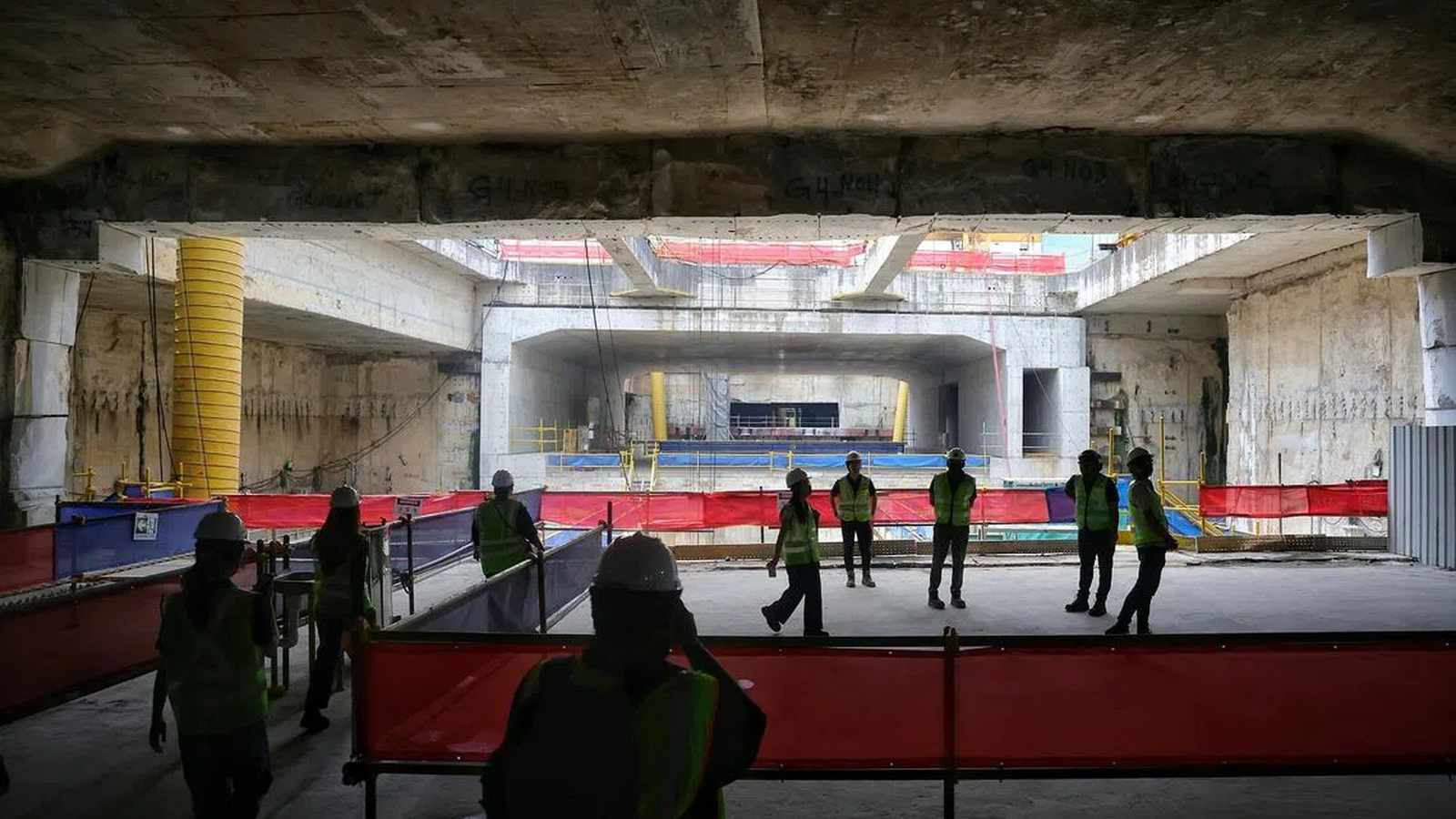
The LTA identified specific sites where geological obstacles necessitated a shift in construction methodology. In the Novena area, where the corridor’s tunnels intersect with the operational North-South Line MRT, engineers encountered fractured rock and unexpected groundwater inflows. To prevent soil settlement that could compromise MRT safety, the agency abandoned the original direct tunnelling method in favor of a more time-intensive mining approach, excavating in smaller, reinforced sections.
Furthermore, in the Thomson and Woodlands stretches, contractors faced harder-than-expected rock formations, leading to the removal of rock volumes equivalent to seven Olympic-sized swimming pools. The LTA explained that while extensive engineering studies were conducted during the planning stages, subsurface conditions in a densely built-up urban environment can vary significantly over short distances, making it impossible to fully characterize every section before work begins.
Impact on Residents and Businesses
The revised timeline prolongs the period of construction-related disruptions, including traffic diversions and noise for residents and local businesses. Business owners, such as those in the Novena Regency area, have reported decreased foot traffic and financial strain due to the ongoing works. The LTA acknowledged these concerns, stating that it would continue to optimize construction sequences and prioritize the reinstatement of surface roads and footpaths. According to the agency, public areas, including roads and pedestrian infrastructure, will be progressively returned to public use starting in 2028, with noise barriers removed as construction shifts deeper underground.
Next Steps for Project Delivery
The LTA remains focused on accelerating work where possible by deploying additional manpower and equipment. Regarding potential cost overruns, the agency noted that contractors are expected to have accounted for construction risks in their initial bids. While contractors may submit claims if actual ground conditions deviate from the baseline data provided during the tender process, the LTA will evaluate these on a case-by-case basis to determine validity under contract provisions.