


Justice Department Targets Soros’s Open Society Foundations
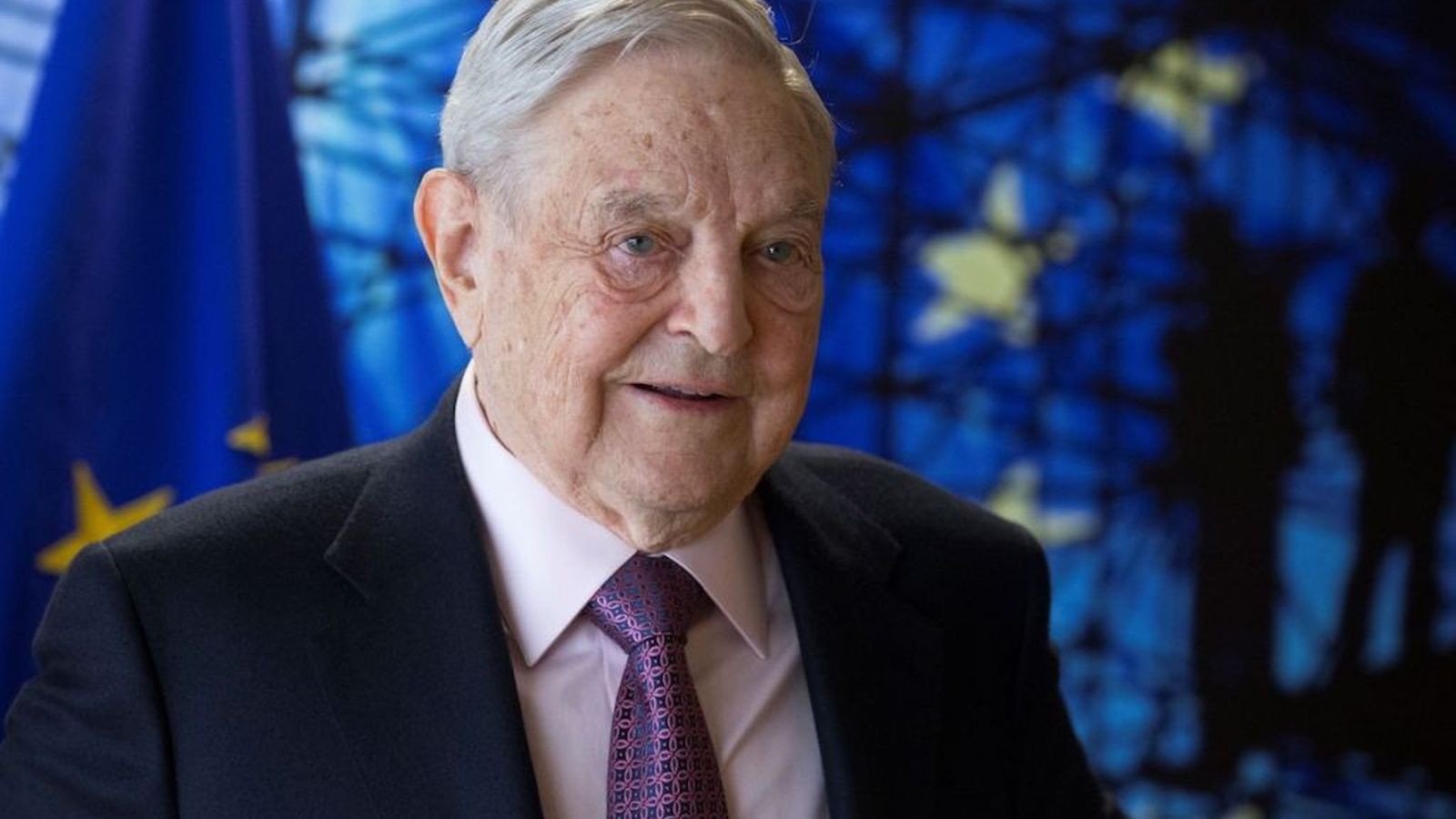
George Soros, the billionaire philanthropist and founder of the Open Society Foundations, has long been a lightning rod in global politics. This week, the scrutiny intensified as the US Justice Department called for a sweeping investigation into his network of foundations—organizations that have been instrumental in supporting artists, human rights, and democracy worldwide.
According to ARTnews and The New York Times, the directive urges several US attorney’s offices to probe allegations that the Open Society Foundations may be involved in racketeering, arson, wire fraud, and material support for terrorism. The claims, which surfaced from conservative watchdogs like the Capital Research Center, suggest over $80 million has flowed to groups with alleged ties to extremism, including organizations critical of Israel such as Al-Haq, a Palestinian human rights group.
Art, Activism, and Philanthropy: The Soros Legacy
While the accusations swirl, Soros’s impact on the arts and civil society remains indisputable. The Open Society Foundations have become a lifeline for artists and curators, awarding $100,000 fellowships to figures such as Firelei Báez, Yto Barrada, Nicholas Galanin, Cannupa Hanska Luger, Bouchra Khalili, Guadalupe Maravilla, Rouanne Abou-Rahme, and Dalton Paula. These grants have allowed creative voices—often from marginalized communities—to reach broader audiences and challenge prevailing narratives.
Beyond individual fellowships, the foundations have channeled substantial resources into organizations dedicated to human rights and democratic reforms. In 2024 alone, funding reached $1.2 billion, supporting efforts from reclaiming African heritage with $15 million in grants, to advancing free speech and advocacy across continents.
Soros’s generosity has extended to academic institutions, most notably Bard College’s Center for Curatorial Studies. A $50 million personal donation established the center as a leading program for curators in the United States, with further support directed at the college’s wider mission. Melissa Schiff Soros, the ex-wife of Soros’s son Robert, currently serves on the center’s board, underscoring the family’s sustained commitment to arts education.
Political Firestorm: Accusations and Responses
The investigation call comes amid a broader campaign by the Trump administration and its allies to frame Soros as a destabilizing force. President $1 Trump has repeatedly directed harsh criticism at Soros and his family, once even suggesting charges under the RICO Act—a statute typically reserved for organized crime.
Vice President JD Vance has echoed these sentiments, accusing the Open Society Foundations and the Ford Foundation of undermining American family values. After the killing of Charlie Kirk, Vance and Trump amplified their rhetoric, alleging that Soros’s funding supports leftist protestors and violent unrest.
This isn’t the first time Soros has faced political backlash. In his native Hungary, right-wing politicians enacted the “Stop Soros” law, discouraging financial aid to undocumented immigrants and targeting the foundations’ advocacy work. The charges leveled against the Open Society Foundations reflect a pattern of political hostility that stretches across borders, fueled by deep divisions over migration, civil liberties, and the role of philanthropy in democracy.
The Response: Defending Civil Society and Free Speech
In the face of mounting criticism, a spokesperson for the Open Society Foundations described the Justice Department’s claims as “politically motivated attacks on civil society, meant to silence speech the administration disagrees with and undermine the First Amendment right to free speech.”
The foundation’s defenders argue that its work empowers marginalized groups, supports creative innovation, and sustains democratic discourse. They point to the rigorous vetting processes for grant recipients and the foundation’s transparent reporting of its activities. Yet, the cloud of suspicion lingers, as political actors on both sides of the Atlantic continue to question Soros’s motives and the impact of his philanthropy.
The Global Stakes: Philanthropy at the Heart of Democracy
At its core, the current controversy raises broader questions about the intersection of philanthropy, politics, and public life. Can charitable foundations wield influence without becoming entangled in ideological battles? Should governments scrutinize private funding for civic initiatives, or does such oversight risk chilling free expression and activism?
As the investigation unfolds, the fate of the Open Society Foundations—and the artists, activists, and institutions they support—hangs in the balance. The answers will shape not only the future of Soros’s legacy but also the contours of global civil society.
In the end, the investigation into Soros’s foundations is not just a legal inquiry—it is a test of how modern democracies balance transparency, dissent, and the essential role of philanthropy in shaping public life. The facts reveal a landscape where art and activism thrive amid controversy, raising vital questions about the boundaries between political power and civil society.