


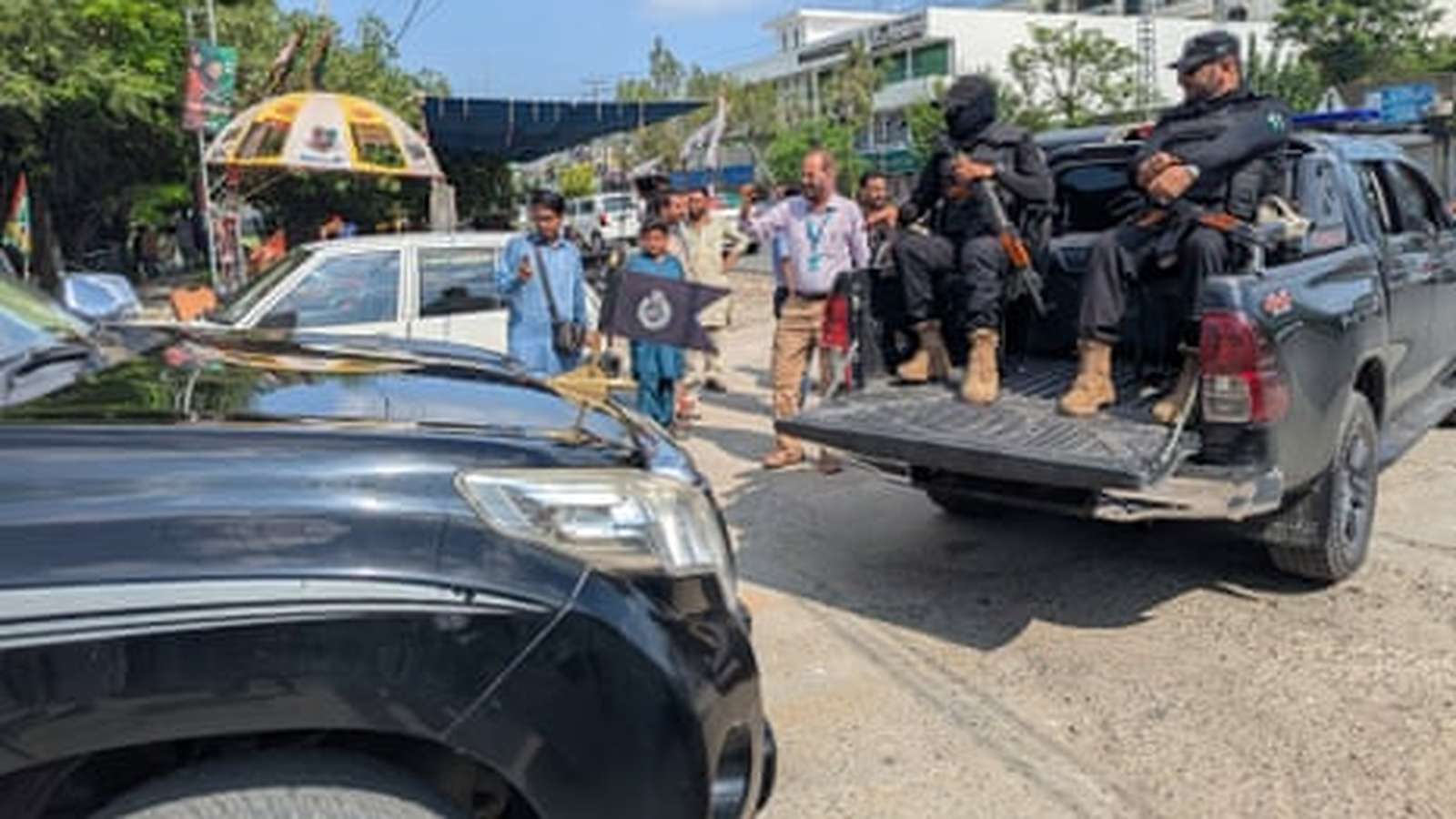
Escalating Violence and Communication Blackout
A severe crackdown in Pakistan-administered Kashmir has resulted in at least 30 alleged deaths over a two-day period, as security forces moved to suppress protests against electoral reforms. According to the Joint Awami Action Committee (JAAC), 25 people were killed on Monday and five more on Tuesday, as thousands gathered to demonstrate against a system of reserved seats they claim disenfranchises local residents.
The region has been under a strict communication blackout since June 5, 2026, when mobile internet services were suspended. This blackout has severely hindered independent reporting and verification of the casualties. SA Khan, a spokesperson for the JAAC, stated that security agencies fired on unarmed protesters in Mirpur and subsequently removed the bodies from the scene to prevent documentation of the events. Local residents reported that hospitals in the area were locked down, with patients and victims becoming inaccessible.
Political Staking and Electoral Reform
The unrest stems from long-standing demands for economic and political rights. Central to the current protests is the opposition to 12 reserved seats in the local assembly, which are allocated to refugees from Indian-administered Kashmir. Critics, including the JAAC, argue that these seats are used by the central government in Islamabad to maintain control over the region and destabilize local political dynamics.
In response to the growing movement, the local government proscribed the JAAC as a terrorist organization under the Azad Jammu and Kashmir Anti-Terrorism Act on June 5. This designation has been used to justify mass arrests and detentions of political workers. Authorities have dismissed allegations of state-led violence, with Pakistan’s Information Minister, Atta Tarar, claiming the protests are being funded and directed by India—a claim vehemently denied by the JAAC.
International and Human Rights Response
International organizations have expressed alarm at the reports. Amnesty International has urged the Pakistani authorities to lift the communications blackout immediately, noting that the restriction prevents independent observers from verifying the extent of the violence. Isabelle Lassée, Amnesty’s regional director for South Asia, described the reports from Rawalakot as consistent with a history of unlawful force against protesters in the region, calling for a prompt and transparent investigation.
The situation remains volatile, with the government maintaining a heavy security presence and continuing to block access to information for both the public and the media. The lack of independent on-the-ground verification remains a primary obstacle to confirming the exact scale of the casualties and the full extent of the crackdown.