


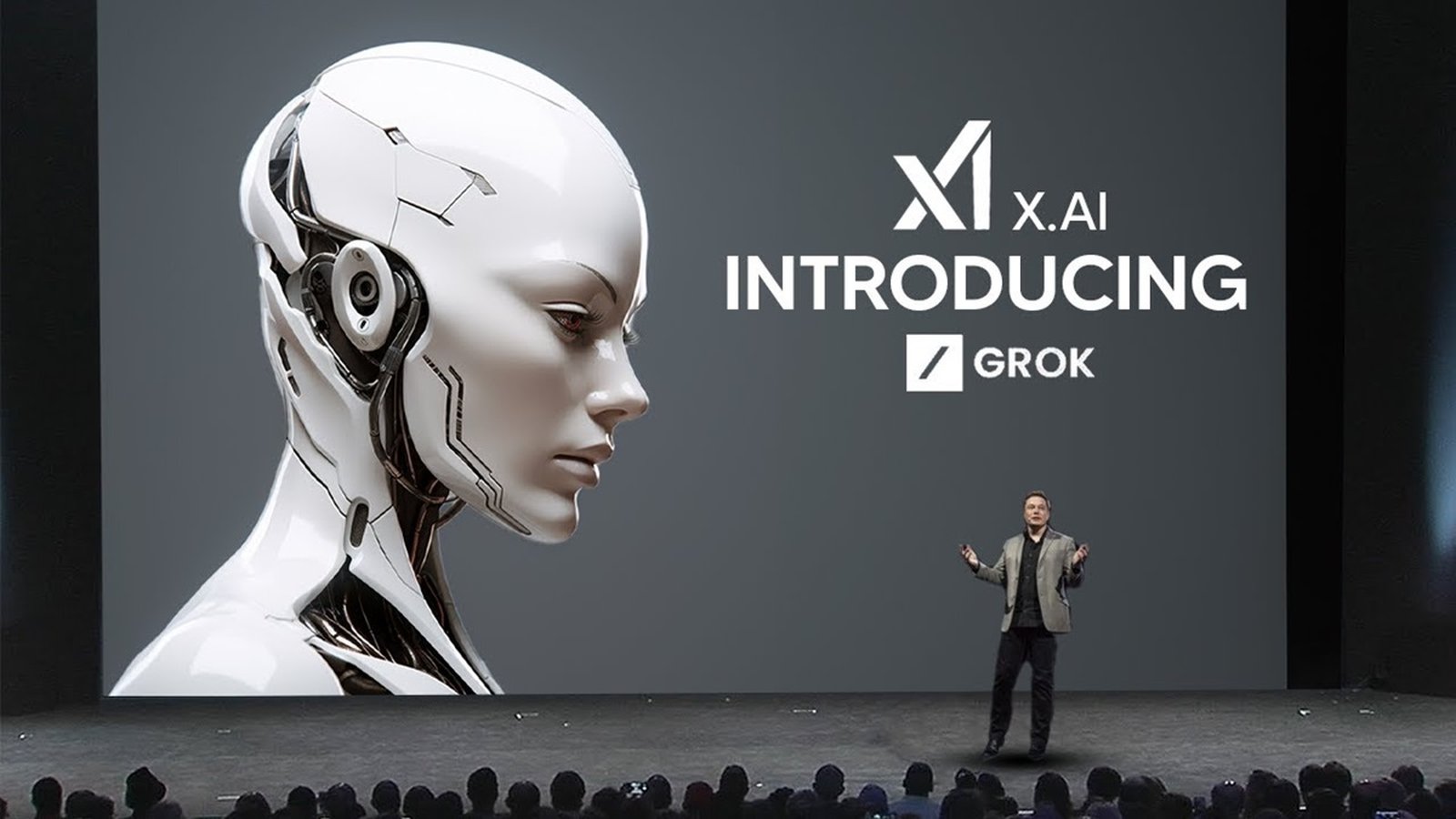
On August 11, 2026, SpaceXAI officially announced the launch of Grok Bot, a new class of autonomous artificial intelligence agents designed to operate as continuous, digital teammates. Developed initially as an internal productivity prototype within SpaceXAI, the tool is now being released to the public. The launch marks a significant shift in how AI agents interact with software, moving away from simple text-based prompting toward active, end-to-end task execution on dedicated virtual hardware.
A Shift to Cloud-Based Virtual Workstations
Unlike traditional AI chatbots or API-constrained automation tools, each Grok Bot is equipped with its own virtual computer hosted in the cloud. This architecture allows the agents to log directly into the software, websites, and databases that human workers already use. Because these bots operate on independent cloud workstations, their workflows do not stall or terminate when a user steps away from their desk or closes their physical device. They run continuously, 24/7, executing tasks from inception to completion, and only prompt the user when a manual approval or complex judgment call is required.
A key technical advantage of this virtual-computer approach is its ability to bypass traditional integration hurdles. Grok Bots can sign in and work across platforms that lack clean Application Programming Interfaces (APIs) or Model Context Protocol (MCP) support. By interacting directly with the user interface of web applications and legacy systems, the bots replicate the operational behavior of a human colleague, expanding the scope of tasks that can be automated without custom engineering.
Hierarchical Collaboration and the “Chief of Staff” Architecture
The operational framework of Grok Bot supports parallel execution, enabling users to deploy multiple agents simultaneously to handle separate business lanes. Within SpaceXAI’s internal testing, teams frequently established hierarchical structures where a centralized “chief of staff” bot supervised several specialist bots. These specialists are assigned to distinct tasks such as inbox management, expense tracking, recruitment, software debugging, or operations.
To facilitate coordinated workflows, Grok Bots are capable of independent communication. They can exchange context, share data, and hand off tasks within dedicated message threads or unified group chats. This direct machine-to-machine coordination minimizes the need for human users to act as intermediaries, copy-pasting information between different chat windows. When projects overlap, the agents maintain alignment on the target account or project autonomously, escalating questions to human supervisors only when necessary.
Learning Workflows Through Direct Observation
Rather than requiring users to program complex rule-based routines or build intricate workflow diagrams, Grok Bot utilizes an observational learning model. To train an agent, a user simply instructs the bot to observe their screen and follow along while they perform a specific task. The bot records the sequence of actions, analyzes the underlying logic, and saves the workflow as a repeatable routine.
Over subsequent iterations, the bot incorporates user corrections, adapts to specific stylistic preferences, and learns to navigate operational edge cases. SpaceXAI reports that these bots gradually become proactive—identifying stalled communication threads, prompting human colleagues for pending handoffs, and resuming complex tasks from historical conversations without explicit re-prompting.
During its internal trial phase at SpaceXAI, the technology was applied to several multi-step operations. In sales departments, outbound bots updated customer relationship management (CRM) systems with call transcripts and drafted follow-up correspondence. In operations, bots managed new-hire seating arrangements and processed incoming invoices from email attachments. Meanwhile, in engineering units, a debugging bot reproduced user interface errors, logged technical tickets, and passed the resolved issues to a secondary bot for final verification.
Deployment, Pricing, and the SpaceXAI-Cursor Synergy
The public beta of Grok Bot is available immediately on desktop and iOS platforms. Initial access is restricted to subscribers of SuperGrok Heavy, Cursor Ultra, and Cursor Teams Premium. Enterprise-level organizations interested in deploying the technology at scale are required to join a waitlist for future rollouts.
The release comes amid an ongoing corporate consolidation, as SpaceXAI and the development platform Cursor work toward finalizing a merger to establish a unified ecosystem for developer tools and autonomous agents. By embedding Grok Bot directly into these premium subscription tiers, the combined entities aim to position autonomous cloud-based computing as a standard utility for software engineering and corporate operations alike.