


Widespread Outage Hits Dallas, Plano, and Beyond
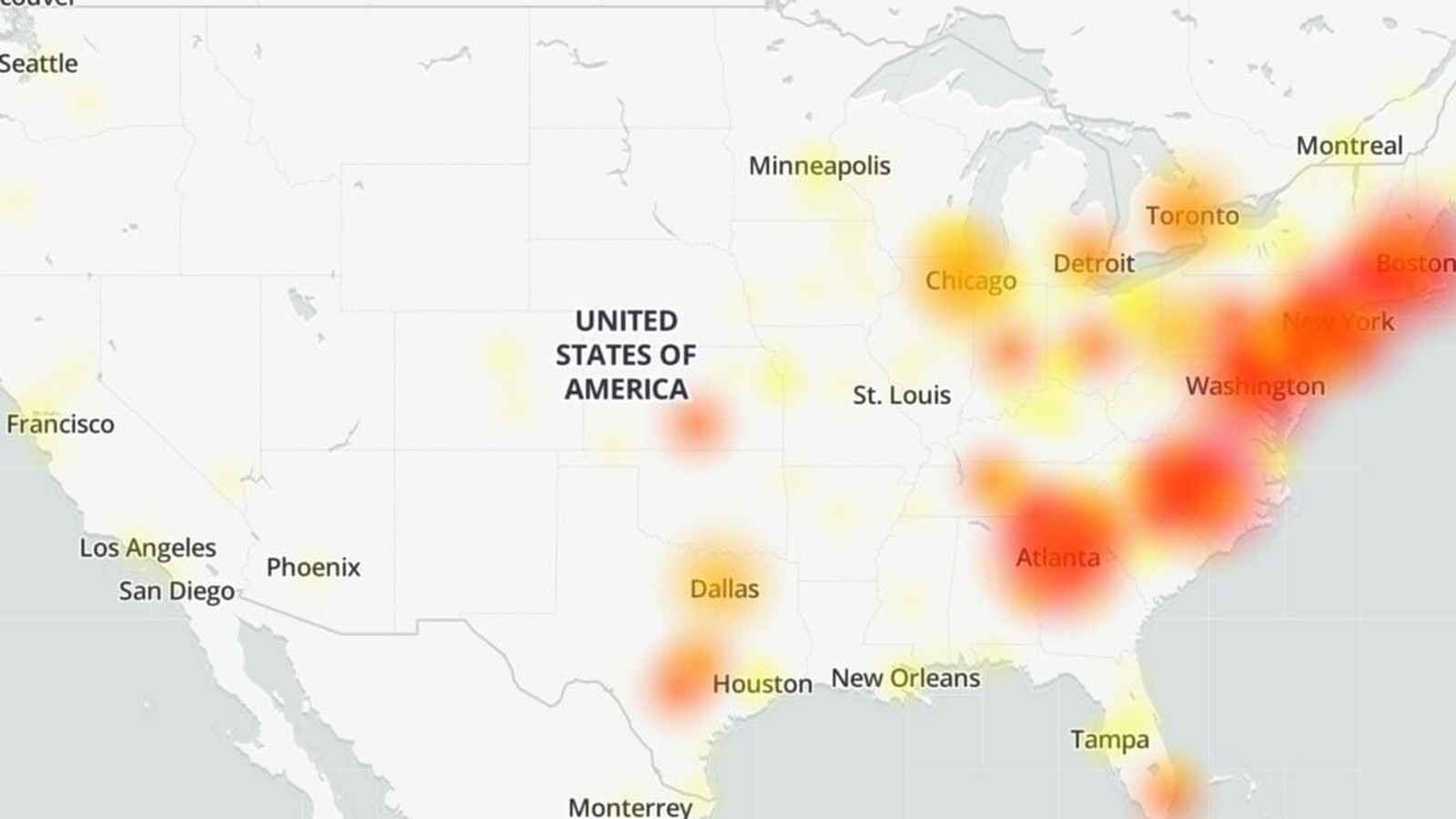
In the early hours of September 26, 2025, thousands of Spectrum customers across Texas found themselves abruptly disconnected. From bustling Dallas to the suburbs of Plano, Frisco, and Irving, reports of sudden internet, TV, and phone blackouts poured in. The outage spread like wildfire, quickly engulfing major urban centers and smaller communities alike. By Friday afternoon, tracking site DownDetector recorded nearly 25,000 affected customers in North and Central Texas. For many, this wasn’t just a minor inconvenience—it was a total blackout.
Social media platforms became a digital town square for frustrated users. One Plano resident vented, “My Internet has been down 45 minutes and counting. Very disappointing.” In Dallas, a customer lamented that even Spectrum’s web pages and mobile app were “erroring out,” compounding the sense of isolation. Greenville, TX saw interruptions not just for Spectrum’s services but even for Verizon cell users, who reported sporadic connectivity. The ripple effects were felt far beyond home users; businesses reliant on Spectrum’s enterprise support faced sudden productivity challenges as offices and remote workers went offline.
Regional Fiber Backbone Issue Identified
What caused this sweeping disruption? Spectrum confirmed the outage on its official X (formerly Twitter) account, stating: “Spectrum Customers, we are aware of an interruption of services in parts of Central and North Texas. We are working to restore services as quickly as possible and appreciate your patience.” The company’s status page echoed this message, pointing to a “regional fiber issue affecting internet and TV services in parts of Dallas–Fort Worth.” In practical terms, this meant the problem was not limited to individual routers or local equipment—it was rooted in the infrastructure itself, specifically the fiber backbone connecting entire regions.
For many, the blinking blue and white lights on their Spectrum modems told the story: the network was trying—and failing—to reconnect. Customers were urged not to repeatedly restart their equipment, as the issue was well beyond their control. Instead, they were advised to check the official Spectrum outage map or status page for updates, use mobile data for urgent needs, and reach out to customer service if necessary. Some received text messages estimating restoration by 6:30 p.m., but with connectivity still intermittent in some areas, patience was tested as the day wore on.
Impact Extends Beyond Texas Borders
While the brunt of the outage was felt in Texas—Dallas, Austin, San Antonio, Richardson, Irving, Plano, and Frisco—sporadic disruptions were also reported in Missouri, Maine, and Montana. The widespread nature of the blackout raised questions about the resilience of the network and the interdependence of regional infrastructure. According to Times Now, outage reports peaked at around 1:43 p.m. Central Time, with over 25,000 user complaints. By 2 p.m., the number had begun to decrease, yet about 17,000 customers were still struggling to get online.
This wasn’t just a technical hiccup. In an era when remote work, online learning, and digital entertainment are woven into daily life, a service interruption of this scale hits at the heart of community and commerce. Business clients using Spectrum’s Enterprise Support faced immediate challenges, scrambling for alternative solutions to keep operations running. For families, students, and professionals, the outage was a stark reminder of how much daily life depends on stable connectivity.
Customer Frustration and Company Response
The outage quickly became a trending topic, with users sharing their stories and seeking real-time answers. Spectrum’s helpline was inundated with calls, while online forums buzzed with questions: “Is Spectrum down right now?” Some customers reported having to speak to multiple service representatives before learning the true extent of the problem. “I have Spectrum Mobile and my data hasn’t been working since noon yesterday,” one user posted. “Finally after talking to a third person, they said they had widespread outage.”
Spectrum’s response was measured but clear. Technicians were dispatched to address the fiber backbone issue, with promises that full service would be restored later in the day. The company acknowledged that some areas might experience intermittent connectivity as repairs progressed. This transparent communication—while not a solution in itself—helped manage expectations and kept customers informed.
According to The Dallas Morning News, Spectrum is one of the largest internet providers in the United States, serving over 31 million customers in 41 states. The scale of the outage, therefore, was not just a local event; it was a significant disruption for one of the nation’s key digital lifelines.
What Should Customers Do?
For those affected, Spectrum offered practical guidance:
- Check the Spectrum Outage Map: Confirm if your area is listed as affected.
- Restart Your Modem and Router: If you see the modem blinking blue and white, wait 5–10 minutes after restarting before checking again.
- Use Mobile Data: Switch to cellular data for urgent tasks while the outage persists.
- Contact Support: Call Spectrum’s customer service at (833) 267-6094 or use online chat for updates.
- Business Clients: Reach out to Spectrum Enterprise Support for priority assistance.
Above all, customers were urged not to panic or repeatedly reset their devices, as the root cause was being addressed at the infrastructure level.
The Broader Picture: Infrastructure and Vulnerability
In the aftermath of the outage, the conversation shifted to the resilience of digital infrastructure. Fiber backbone issues are rare but impactful, capable of affecting tens of thousands in minutes. For a provider as large as Spectrum, the challenge lies not only in rapid response but in preventing future disruptions. The incident also cast a spotlight on the importance of redundancy—having backup systems and alternative routes to minimize the risk of widespread outages.
For many Texans, September 26 will be remembered as a day when ordinary routines were upended by invisible forces beneath the streets and across the state. It’s a potent reminder of how dependent modern life is on the silent, sprawling networks that connect us all. As repairs continue and service returns to normal, the question lingers: How can providers build networks that are not just fast, but truly resilient?
While Spectrum’s swift acknowledgment and technical response eased some frustration, the outage exposed the fragility of regional fiber infrastructure and underscored a growing need for stronger, more resilient digital networks in a connected society.