


Stephen King, one of the most celebrated authors in modern literature, has once again found himself in the spotlight. Known for his prolific career in horror and suspense writing, King recently made waves for reasons both expected and unexpected. While his latest television adaptation, The Institute, continues to garner attention, a controversial tweet about the Jeffrey Epstein client list has stirred intense debate online. Meanwhile, fans and critics alike are revisiting his classic works, including discussions about the potential for a new adaptation of Pet Sematary. This article explores these recent developments, showcasing the multifaceted influence of Stephen King.
The Institute: A New Chapter in Stephen King’s Streaming Legacy
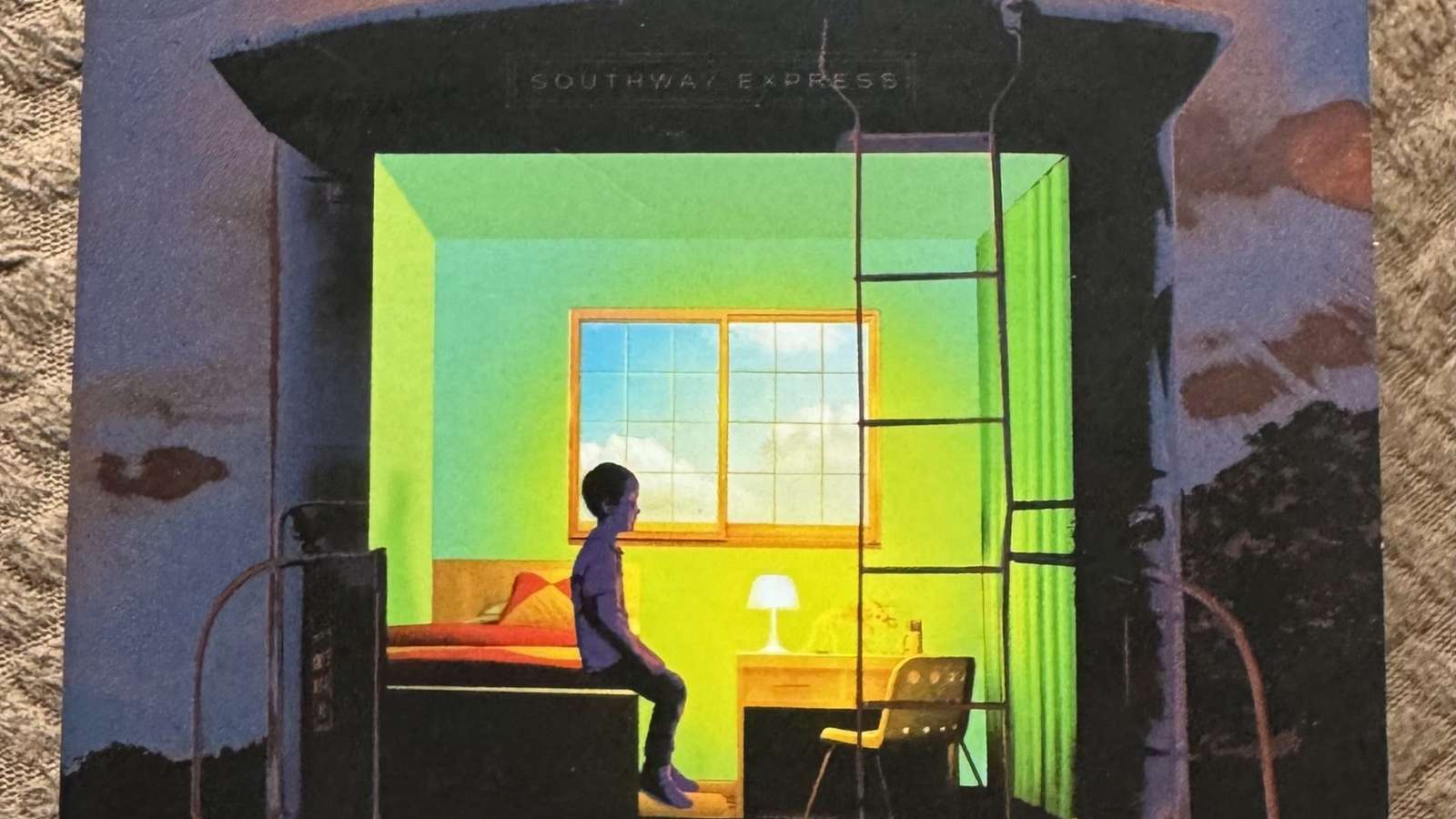
On July 16, 2025, the much-anticipated television adaptation of Stephen King’s 2019 novel The Institute premiered on a major streaming platform. The mini-series dives into the chilling story of Luke Ellis, a young boy with telekinetic powers who is kidnapped and taken to a secretive facility in Maine. There, he meets other children with similar abilities who are subjected to horrific experiments by the institute’s staff. Together, the children devise a plan to escape and destroy the sinister organization.
The series has already drawn comparisons to some of King’s most iconic adaptations, including It and The Shining. As reported by Seacoast Online, the setting in Maine—a hallmark of King’s storytelling—adds a layer of eerie familiarity for longtime fans. The adaptation has been praised for its ability to maintain the suspense and emotional depth of the novel, ensuring that King’s legacy as a master storyteller remains intact.
Controversy Over Jeffrey Epstein Tweet
In an entirely different vein, Stephen King ignited a social media firestorm on July 15, 2025, with a tweet about the alleged Jeffrey Epstein client list. Writing on X (formerly Twitter), King remarked, “The Epstein client list is real. So is the Tooth Fairy and Santa Claus.” The sarcastic tone of the tweet immediately sparked backlash, with critics accusing the author of trivializing the gravity of Epstein’s crimes and the surrounding conspiracy theories.
As noted by The Daily Jagran, the post quickly went viral, amassing over 28 million views. Reactions ranged from confusion to outrage, with some interpreting the comment as a critique of the politicization of the Epstein case, while others accused King of downplaying the issue. Notably, King has been an outspoken critic of President $1 Trump, which added another layer of complexity to the debate. The controversy comes at a time when public trust in governmental transparency regarding the Epstein case remains low, further fueling speculation and conspiracy theories.
King later followed up with another tweet, mocking the intensity of the backlash: “Boy, I hit a nerve with that Epstein post. (laughing crying emoji). The ‘list’ is like UFOs: Everyone knows someone who’s seen one.” While some fans defended his right to free speech, others expressed disappointment, highlighting the precarious balance between public discourse and personal opinion in the digital age.
Reimagining Pet Sematary: A Case for a Television Adaptation
Amid the controversies, Stephen King’s classic works continue to captivate audiences. One such story, Pet Sematary, originally published in 1983, has been a frequent topic of discussion among fans and critics. The novel, which explores themes of grief, resurrection, and the supernatural, has been adapted into two films—one in 1989 and a remake in 2019. However, both adaptations received mixed reviews, with many arguing that the story’s depth and slow-burn horror would be better suited to a television series.
As highlighted by CBR, the narrative of Pet Sematary is uniquely suited for a serialized format. The story follows Dr. Louis Creed and his family as they move to a small town in Maine, only to discover the dark secrets of a nearby burial ground. The gradual buildup of tension, from the death and resurrection of their pet cat to the tragic loss of their son, Gage, allows for a deeply unsettling exploration of human desperation and moral boundaries.
A television adaptation could provide the necessary time and space to fully develop the characters and their descent into horror. By focusing on the psychological and emotional toll of the events, a series could delve deeper into the themes that make Pet Sematary one of King’s most haunting works. Fans continue to advocate for this possibility, hoping that modern streaming platforms might bring the story to life in a way that does justice to King’s original vision.
The Dual Legacy of Stephen King
Stephen King’s enduring influence on literature and pop culture cannot be overstated. With over 60 novels and countless adaptations to his name, he remains a cornerstone of the horror genre. Yet, his recent controversies highlight the complexities of being a public figure in the digital age. From his biting political commentary to his timeless storytelling, King continues to provoke thought and inspire debate.
As new adaptations like The Institute bring his work to younger audiences, and discussions about classics like Pet Sematary persist, Stephen King remains a towering figure in modern storytelling. Whether celebrated or criticized, his impact on the cultural landscape is undeniable.
For both fans and critics, Stephen King represents the duality of art and humanity—unafraid to explore the darkest corners of the human experience, both in fiction and in real life.