


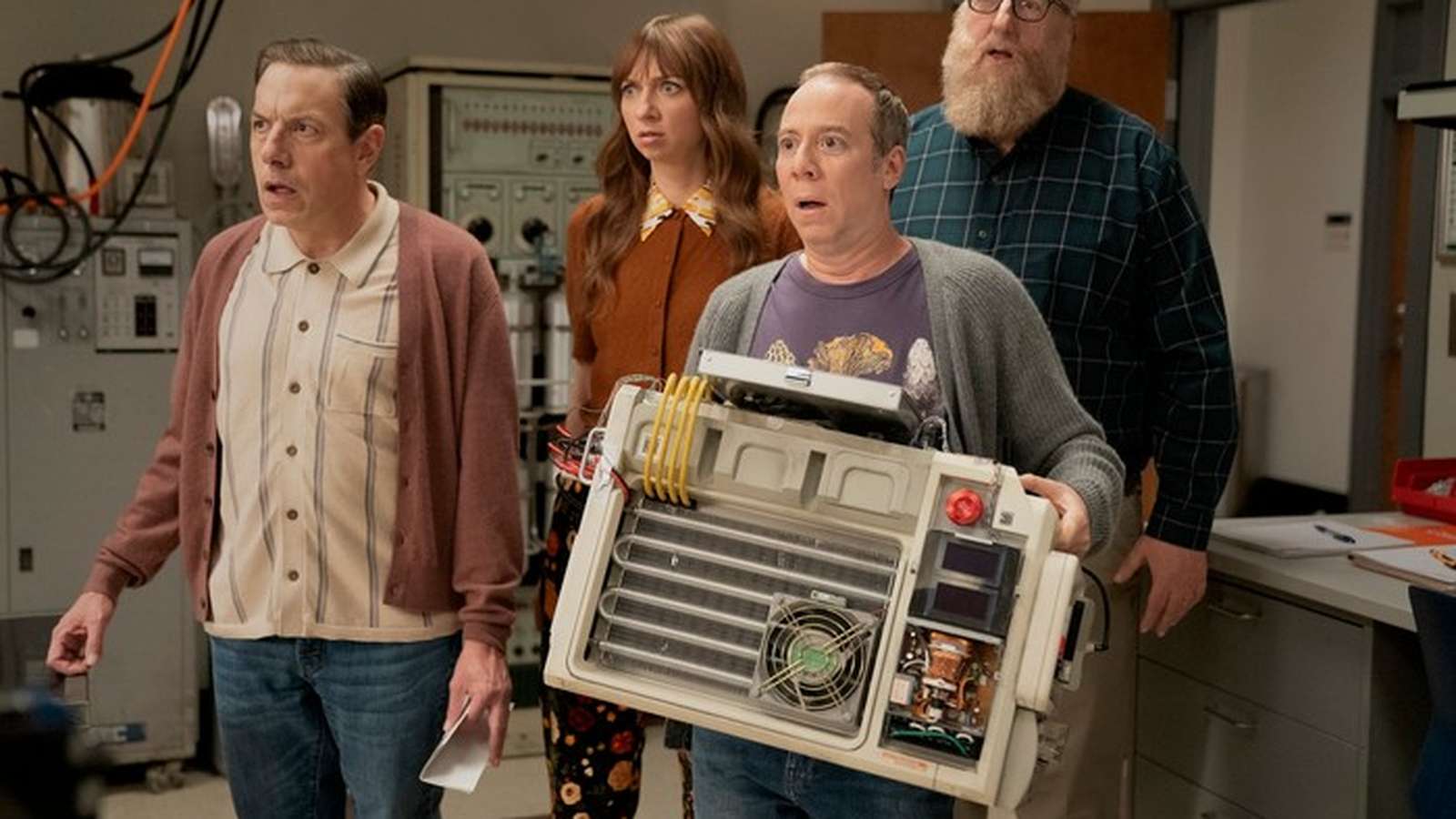
A Multiverse Shift for Stuart Bloom
The Big Bang Theory universe is expanding in an unexpected direction this week with the premiere of Stuart Fails to Save the Universe. Centered on the fan-favorite comic book store owner Stuart Bloom, played by Kevin Sussman, the series marks a radical departure from the multi-camera, laugh-track-heavy formula that defined its predecessor for over a decade. Debuting Thursday on HBO Max (and Crave in Canada), the show finds Stuart accidentally triggering a multiverse Armageddon, forcing the perennial underdog into the role of a reluctant, cross-dimensional savior.
Created by Chuck Lorre alongside Bill Prady and Zak Penn, the series is not just a change in genre but a change in philosophy. Unlike the safe, broadcast-friendly humor of the original series, this spinoff leans heavily into R-rated territory and high-concept science fiction. The stakes for Warner Bros. Discovery and the creators are high: they are testing whether the massive, loyal audience of a legacy sitcom will follow a brand into a darker, more experimental space that prioritizes narrative tension over predictable punchlines.
The Death of the 22-Minute Sitcom
One of the most discussed aspects of the new series is its disregard for traditional television timing. In an interview with Deadline, Chuck Lorre revealed that the episodes in the 10-part first season vary significantly in length, ranging from tight 15-minute bursts to 25-minute chapters. This move is a direct challenge to the “padding” often found in network television, where shows are stretched to fit specific advertising slots.
“The historic length of a show is entirely arbitrary,” Lorre stated, explaining that streaming removes the need for 22-minute blocks designed for commercials. “We just felt that we’d successfully told the story. And to add would be padding, and padding, generally, is a hammock between important scenes.” By allowing the story to dictate the runtime, the creators are utilizing the creative freedom offered by streaming platforms to create a more cinematic, fast-paced experience.
Creative Freedom and the Streaming Gamble
The decision to make Stuart Fails to Save the Universe an R-rated sci-fi series signals a broader trend in Hollywood: the leveraging of established IP to explore niche genres. For years, Stuart Bloom was the epitome of the ‘lovable loser’ in a sitcom setting. Now, by placing him in a multiverse crisis, the writers are able to explore the character’s psyche with a depth that the original format’s constraints didn’t allow.
Each episode reportedly ends with the characters arriving in a new alternate reality, serving as a teaser for the following week. This structure, according to Bill Prady, was an accidental discovery during the production of the pilot that became the show’s signature hook. While the series features familiar faces, the focus remains firmly on Stuart’s growth—or lack thereof—as he navigates worlds that are often hostile and visually distinct from the familiar Pasadena comic shop.
As the show premieres globally this week, industry analysts are watching closely. If Stuart Fails to Save the Universe succeeds, it could pave the way for other legacy franchises to shed their original formats in favor of more daring, creator-driven storytelling that isn’t beholden to the ghosts of broadcast syndication.