


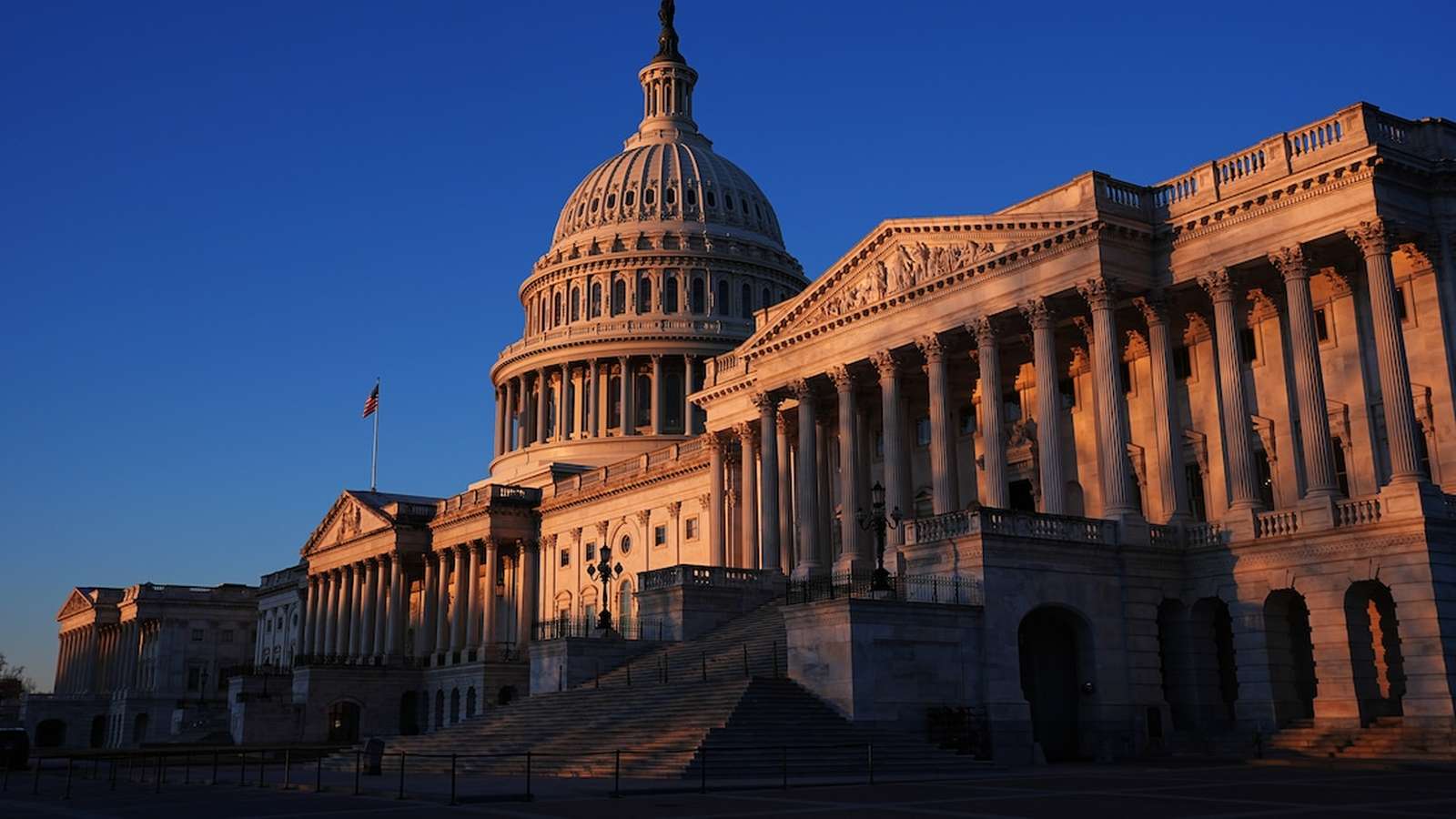
Legislative Impasse in the Senate
The U.S. House of Representatives voted on July 14, 2026, to pass the Sunshine Protection Act, a measure designed to abolish the twice-yearly ritual of changing clocks. While the bill received bipartisan backing in the lower chamber, its path through the U.S. Senate appears increasingly blocked. Senate Majority Leader John Thune (R-S.D.) has characterized the issue as one that deeply divides the country by region, signaling that the upper chamber is unlikely to mirror the House’s enthusiasm.
The core of the resistance lies in the geographic impact of permanent daylight saving time (DST). Senators representing Midwestern, mountain, and northern states have voiced significant opposition, arguing that the shift would force children to travel to school in the dark during winter months. Sen. Roger Wicker (R-Miss.) and other members of the Senate Commerce Committee have cited safety concerns for students waiting for buses in pre-dawn darkness. In some locations, such as Pierre, South Dakota, and South Bend, Indiana, the sun would not rise until after 9 a.m. during mid-winter.
Historical Context and Senate Obstacles
The debate is not new; the United States experimented with year-round daylight saving time during the 1970s energy crisis. That policy was repealed within a year due to widespread public dissatisfaction over the dark winter mornings. Critics of the current proposal, including Sen. Tom Cotton (R-Ark.), have indicated they will block any attempt to pass the bill via unanimous consent. Sen. Cotton’s vocal opposition, coupled with a crowded Senate legislative calendar—which includes pressing nominations for the Justice Department and the Office of the Director of National Intelligence—leaves little room for the measure to advance.
Furthermore, the bill faces scrutiny from health experts. Dr. Kaninika Verma, a clinical sleep director, has warned that the current system of switching clocks causes circadian misalignment, but argues that permanent DST could present its own set of health challenges regarding hormonal regulation and immune function. Proponents, such as Sen. Rick Scott (R-Fla.), argue that the bill provides needed certainty and improves the quality of life by providing more evening daylight for recreation and commerce.
Legislative Reality
Despite the House vote, the law remains unchanged for the immediate future. Daylight saving time is scheduled to end at 2 a.m. on Sunday, November 1, 2026, when clocks will move back one hour. Without Senate action and a presidential signature, the seasonal transition will continue as mandated by current federal law. Senate leadership has not provided a timeline for a vote, and with memorial services and a heavy agenda ahead of the August recess, the Sunshine Protection Act remains in a state of legislative limbo.