


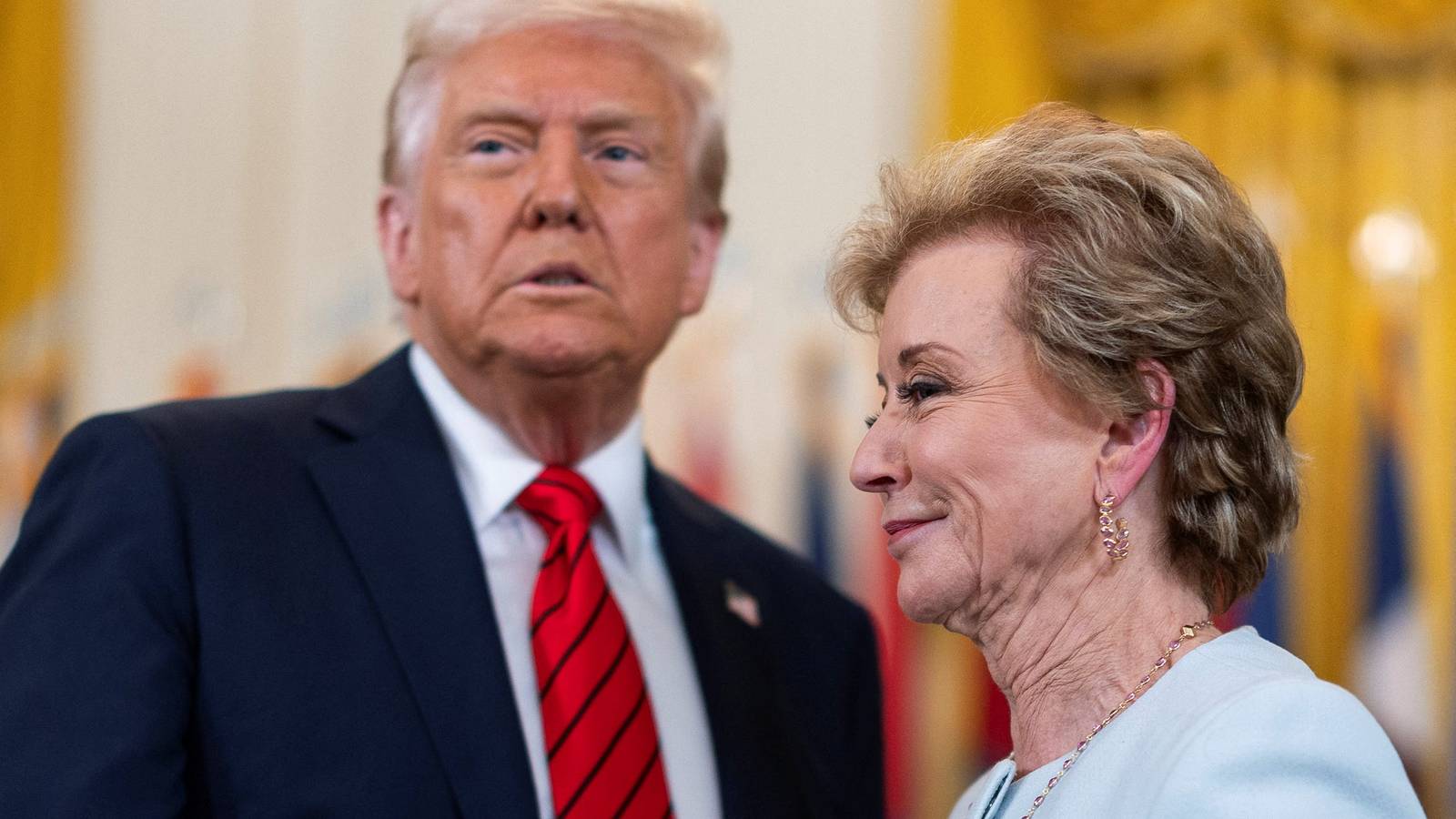
The U.S. Supreme Court’s recent decision to allow the Trump administration to proceed with its controversial plan to downsize and restructure the Department of Education has ignited a firestorm of debate and uncertainty across the nation. Announced on July 14, 2025, the ruling permits the administration to move forward with the dismissal of over 1,300 federal employees, a decision that has already begun to ripple through public schools, universities, and federal education programs.
The Supreme Court’s Decision
The Supreme Court’s ruling is a pivotal moment in President Donald Trump’s long-standing campaign to dismantle the Department of Education. According to USA Today, the decision allows the administration to formalize the layoffs of employees who had already been placed on leave in March. However, the Court did not rule on the legality of the broader plan to outsource and decentralize the department’s functions; it merely allowed the layoffs to proceed while legal challenges continue.
Education Secretary Linda McMahon has indicated that the department’s ultimate mission is to transfer its powers to state governments and other federal agencies. Speaking after the decision, McMahon emphasized, “The Federal Government has been running our education system into the ground, but we are going to turn it all around by giving the power back to the PEOPLE.” Critics, however, argue that this move undermines federal oversight and protections, particularly for vulnerable student populations.
Impact on Schools and Students
The implications of these layoffs are far-reaching. Public K-12 schools, which rely on federal funding for about 10% of their budgets, are already experiencing delays and uncertainty in funding allocations. For instance, Title I grants for low-income schools were delayed earlier this year, causing budgeting challenges for districts. As reported by AP News, the downsizing has also reduced the capacity of the Office for Civil Rights, leaving discrimination cases unresolved and weakening protections for students with disabilities, LGBTQ+ students, and students of color.
Moreover, the National Center for Education Statistics, which plays a crucial role in assessing educational progress, has been significantly downsized. This has left educators without reliable data to track student performance and implement necessary interventions.
Higher Education and Financial Aid Bottlenecks
The effects of the department’s restructuring extend to higher education as well. The Federal Student Aid office, which assists millions of students in accessing college funding, was one of the hardest-hit divisions. According to a survey by the National Association of Student Financial Aid Administrators, universities are grappling with increased delays in processing financial aid applications, missed communications, and technical issues such as outages on critical platforms like StudentAid.gov.
The Trump administration’s plans also involve transferring the management of the $1.6 trillion federal student loan portfolio to the Treasury Department. While this move is intended to streamline operations, it has raised concerns about the Treasury’s capacity to handle the complexities of student loan servicing without adequate preparation.
Criticism and Legal Challenges
The decision has faced fierce criticism from education advocates and unions. Denise Forte, CEO of EdTrust, labeled the move “a full-scale assault on student opportunity,” highlighting that the department’s downsizing will disproportionately harm students from low-income backgrounds and communities of color. Similarly, the National Women’s Law Center warned that the layoffs would erode enforcement of civil rights laws, leaving students more vulnerable to discrimination.
Unions representing affected employees, such as the American Federation of Government Employees, have also condemned the decision, arguing that it violates collective bargaining agreements and destabilizes the federal workforce. Organizations like Democracy Forward have vowed to continue their legal battles, asserting that the administration’s actions are both unlawful and detrimental to the nation’s education system.
The Broader Implications
Beyond the immediate impacts on schools and students, the dismantling of the Department of Education signals a broader shift in federal education policy. Critics argue that this move aligns with a larger agenda to privatize and defund public education. The expansion of private school voucher programs, proposed funding cuts in Trump’s 2026 budget, and the elimination of early childhood education programs like Head Start are seen as part of this trajectory.
Supporters of the administration’s plan, however, contend that decentralizing education governance will empower states and local communities to tailor policies to their unique needs. They argue that reducing federal oversight could lead to more innovative and efficient educational practices.
The Supreme Court’s decision marks a turning point in the future of U.S. education policy. While the Trump administration celebrates this as a victory for decentralization, critics warn of its potential to exacerbate educational inequities and undermine the nation’s commitment to equal opportunity for all students. As the legal battles continue, the ultimate impact of this decision remains to be seen.