


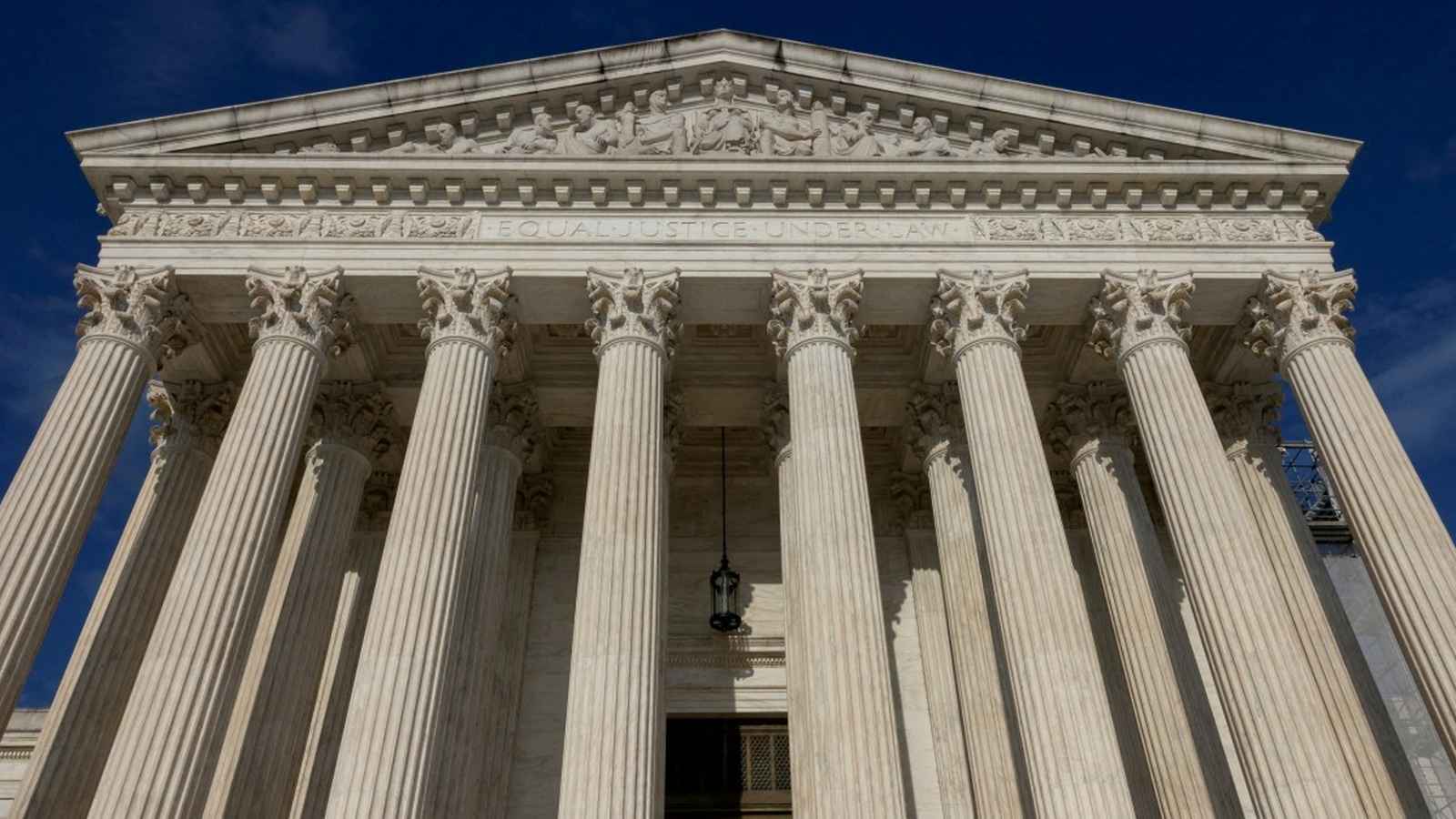
Supreme Court Rejects Maxwell’s Appeal, Sealing Her Fate
On October 6, 2025, the United States Supreme Court delivered a decisive blow to Ghislaine Maxwell’s legal battle, rejecting her final appeal to overturn her conviction for sex trafficking and conspiracy. The ruling ensures Maxwell will serve her 20-year sentence, bringing a sense of finality to one of the most closely watched criminal cases of the last decade.
Maxwell, once a fixture in elite social circles and the confidante of convicted sex offender Jeffrey Epstein, was found guilty in 2022 on three counts related to her role in recruiting and grooming teenage girls for Epstein’s abuse. The Supreme Court’s decision was delivered without comment, a routine but significant gesture that signals no further review will be granted.
The Legal Arguments—and Their Limits
Maxwell’s defense team, led by attorney David Oscar Markus, argued that a 2007 nonprosecution agreement struck between Epstein and federal prosecutors in Florida should have shielded Maxwell from prosecution for at least one of the charges brought against her in New York. The agreement, they claimed, covered “potential co-conspirators,” which included Maxwell.
But the Justice Department countered that such agreements are limited to the district where they are negotiated unless broader application is approved by higher authorities—a step for which there was no evidence in this case. Solicitor General D. John Sauer stated in his brief that internal policies require explicit permission for any cross-district protections, which was never granted.
With the Supreme Court’s refusal to take up the case, Maxwell’s legal avenues have narrowed dramatically. Markus, in a statement, acknowledged the setback but insisted, “Serious legal and factual issues remain, and we will continue to pursue every avenue available to ensure that justice is done.” While he did not specify future strategies, some speculate a presidential pardon could be sought, especially given President $1 Trump’s past remarks on the case.
Political Ramifications and Renewed Public Scrutiny
The Maxwell case has become a lightning rod for political debate, particularly around issues of elite privilege and justice. The public’s fascination with Epstein’s connections to powerful figures has fueled ongoing speculation and conspiracy theories. This year, calls for transparency intensified, with both Republican and Democratic lawmakers demanding more answers about Epstein’s network and the extent of Maxwell’s involvement.
One focal point has been the so-called “client list”—a rumored roster of prominent individuals allegedly linked to Epstein’s criminal activities. In July, US Deputy Attorney General Todd Blanche, who previously represented Trump, conducted a lengthy interview with Maxwell. According to transcripts released by the Justice Department, Maxwell denied knowledge of any such list and stated she had never witnessed Trump acting inappropriately.
The Justice Department also issued a rare public statement, clarifying after reviewing hundreds of gigabytes of data that there was no incriminating “client list” nor evidence that Epstein blackmailed famous men. Furthermore, they reaffirmed that Epstein’s 2019 death was a suicide, directly contradicting persistent conspiracy theories that suggest foul play.
Victims and Advocacy: The Human Toll Remains
The Supreme Court’s decision was welcomed by advocacy groups and families of victims, including those of Virginia Roberts Giuffre, a well-known survivor who later died by suicide. In a statement, her family expressed their commitment to ensuring Maxwell serves her full sentence: “We are committed to ensuring that convicted child sex trafficker Maxwell serves out the entirety of her 20-year sentence in prison, where she belongs.”
Maxwell’s conviction and sentencing have been described as a watershed moment for survivors of sexual abuse, signaling that enablers—regardless of status—can be held accountable. Yet, for many, the resolution brings only partial closure. The trauma inflicted by Epstein and Maxwell lingers, and questions about systemic failures in law enforcement and the justice system persist.
What’s Next? Investigations and Political Oversight
With Maxwell’s criminal appeal process exhausted, attention is shifting to Congressional oversight. The House Oversight Committee, which had postponed plans to interview Maxwell pending the outcome of her appeal, is now expected to proceed. Rep. Robert Garcia, the committee’s top Democrat, stated, “Maxwell must now answer our questions truthfully.”
Lawmakers are likely to press Maxwell for details about Epstein’s operations, seeking to uncover any remaining secrets about how such abuse could go unchecked for years. Whether Maxwell will cooperate fully remains to be seen, but her testimony could shape future legislative reforms aimed at preventing similar crimes.
Maxwell herself has been moved from a Florida prison to a lower-security facility in Texas, a transfer shrouded in secrecy. The Bureau of Prisons has not offered a public explanation, fueling further speculation about her status and treatment within the federal system.
Epstein’s Shadow: Unanswered Questions and Enduring Mysteries
The intertwined stories of Epstein and Maxwell continue to cast a long shadow over American society. Despite exhaustive investigations, many details about the scope of their crimes and the identities of those involved remain obscured. For some, the Supreme Court’s decision marks an end to Maxwell’s legal saga. For others, it’s merely another chapter in an ongoing quest for truth and accountability.
As the dust settles, one question persists: Will Maxwell’s conviction—and the broader reckoning with Epstein’s legacy—lead to lasting change, or will powerful interests again escape meaningful scrutiny?
The Supreme Court’s decision to uphold Maxwell’s conviction is a victory for legal finality, but it leaves broader societal questions unresolved. The persistence of public skepticism and the hunger for transparency suggest that, while one story may have ended, the deeper narrative about power, privilege, and accountability is far from over.