


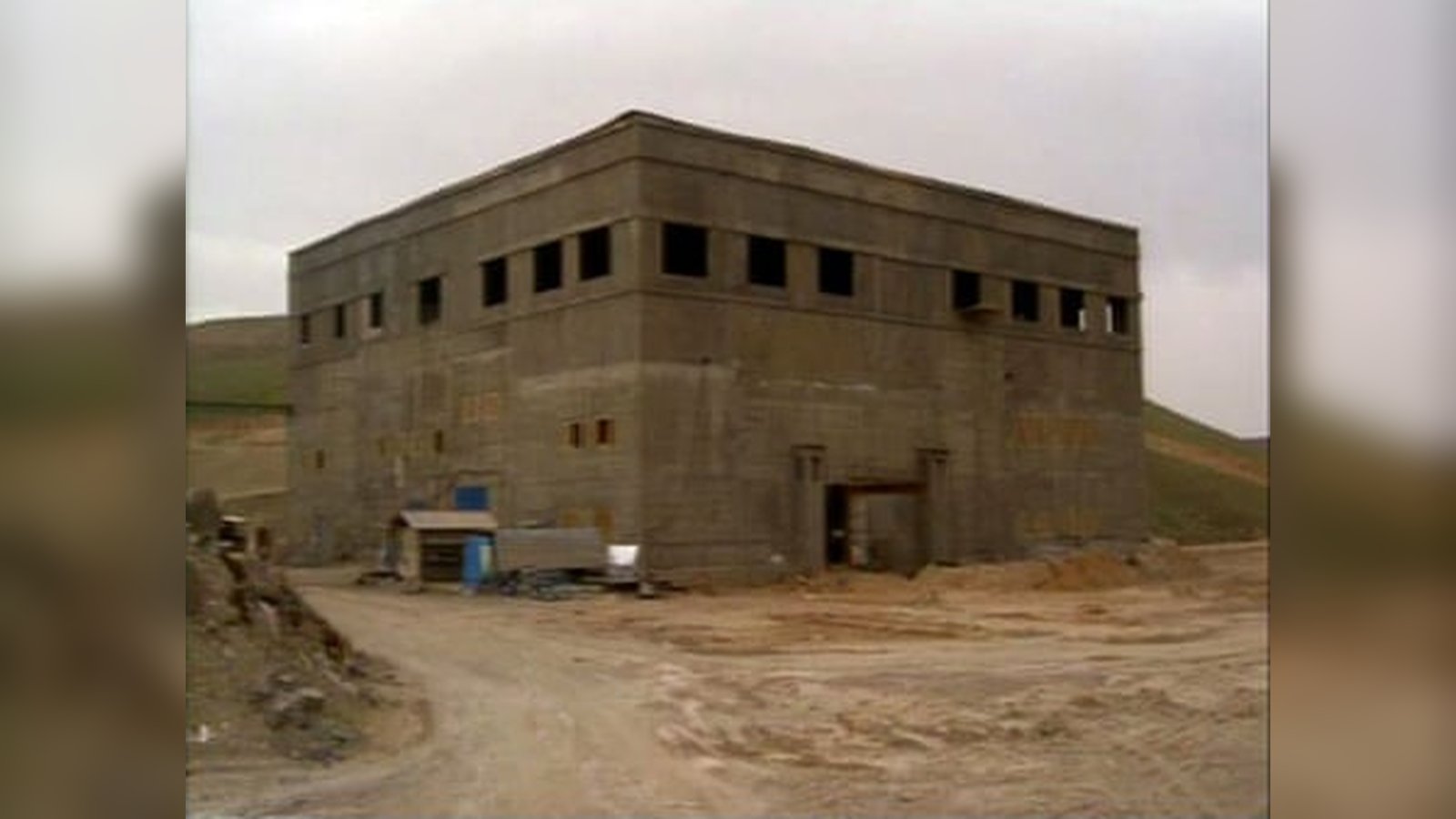
A Covert Nuclear Program Uncovered
The International Atomic Energy Agency (IAEA) has confirmed that a covert nuclear reactor constructed in Syria during the rule of ousted President Bashar Assad was configured to efficiently produce fissile material for potential use in nuclear weapons. The findings, announced by IAEA Director General Rafael Grossi on Monday, follow a series of inspections at undeclared sites in Syria, marking a significant development in the investigation of the country’s defunct nuclear program.
According to the Los Angeles Times, the IAEA recently gained access to a previously undisclosed site in Syria after the new government invited inspectors to verify suspected nuclear activity. During these inspections, the agency uncovered roughly 73 tons of natural uranium metal, much of it fashioned into fuel rods. Inspectors were required to dismantle walls and navigate narrow, obstructed passages to reach the material, which had been hidden in a storage area containing scattered boxes.
Technical Configuration and Proliferation Stakes
Grossi noted that the technical features and cooling infrastructure of the reactor—historically linked to North Korean assistance in Deir ez-Zour province—were optimized for the production of fissile material. While the agency emphasized that it cannot judge the specific intent behind the construction, the configuration represents a “very serious proliferation concern.”
The site in Deir ez-Zour was the subject of a top-secret Israeli air raid in 2007. Following that strike, US officials accused the Assad regime of seeking to build a secret nuclear reactor, a claim that has now been bolstered by the IAEA’s recent verification of the materials and site infrastructure, as reported by The Guardian.
Current Safeguards and Next Steps
The newly discovered uranium is now under IAEA safeguards, with cameras installed to monitor the site. The question of whether the 73 tons of material will remain in Syria or be removed remains pending. Logan Mintz of the Nuclear Threat Initiative explained that while natural uranium metal is not directly usable for a weapon, it could be diverted to a covert weapons program for processing into plutonium. Transporting such material would require rigorous security measures to prevent theft or sabotage, a process that is currently under consideration by the Syrian authorities in cooperation with the IAEA.