


Strategic Warning at Halifax Security Forum
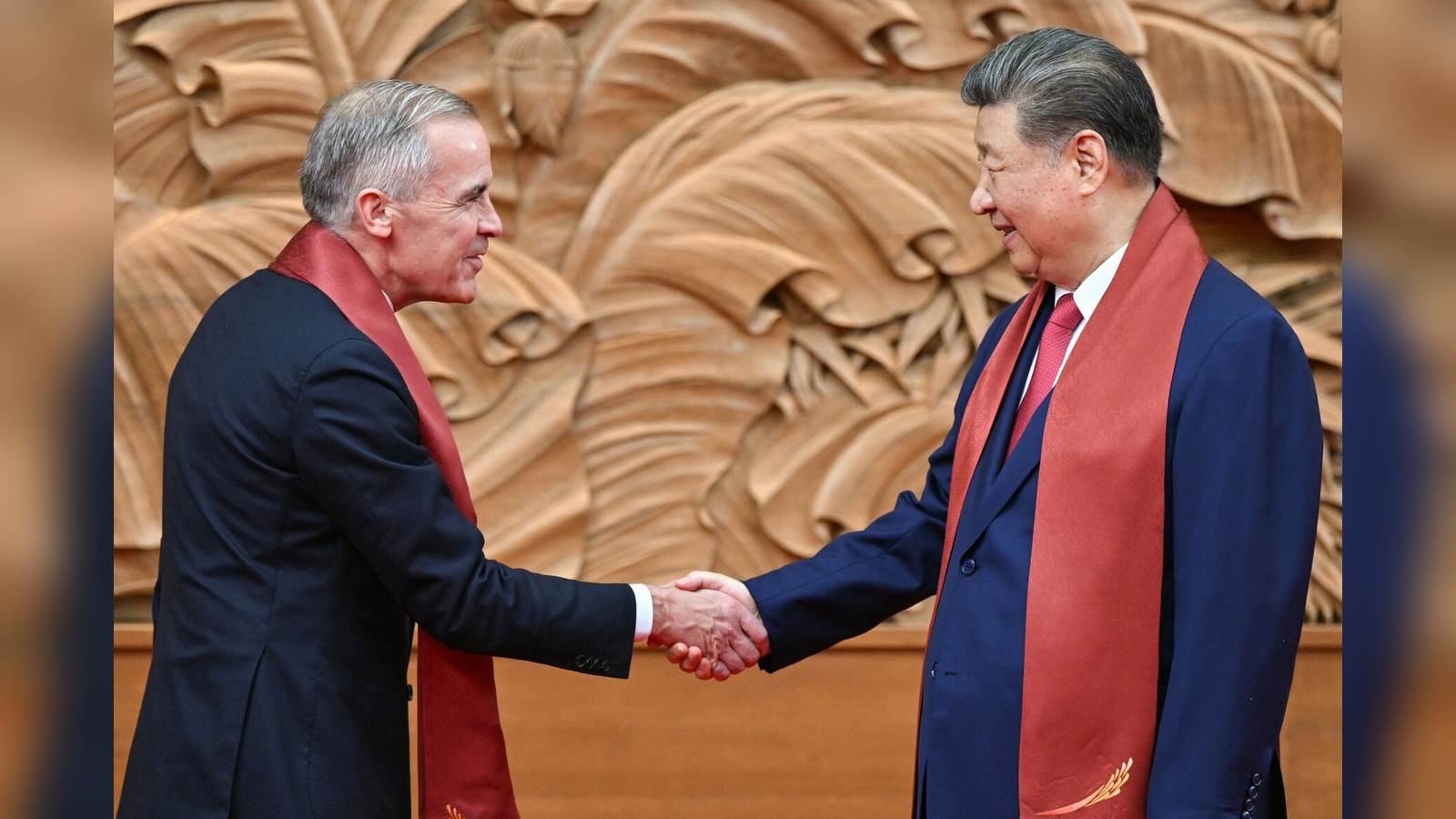
On November 21, 2026, at the Halifax International Security Forum in Nova Scotia, the global geopolitical stage became the site of a pointed diplomatic intervention. Taiwan’s Deputy Foreign Minister Chen Ming-chi issued a public, urgent warning to Canadian Prime Minister Mark Carney regarding his administration’s current strategy to deepen trade ties with the People’s Republic of China. This critique followed high-level meetings held between Prime Minister Carney and Chinese President Xi Jinping in Shenzhen on November 19, 2026, where the two leaders explored tariff reductions and potential cooperation in the automotive manufacturing sector.
Chen expressed profound concern that Canada’s pursuit of economic diversification, which is intended to insulate the Canadian economy from the threat of looming U.S. tariffs, may inadvertently invite the same pattern of economic coercion that Taiwan has navigated for decades. As reported by ABC News, Chen emphasized that Beijing remains exceptionally adept at leveraging trade dependence to achieve specific political objectives. He noted that Taiwan has spent years systematically reducing its reliance on Chinese markets specifically to mitigate these risks, and he cautioned that Canada’s current path could lead to a similar vulnerability.
The Dilemma of Economic Dependence
Prime Minister Carney has historically cautioned that major global powers are increasingly weaponizing economic integration. Paradoxically, his current strategy involves pivoting toward Chinese automakers if ongoing negotiations with the Trump administration fail to protect the Canadian auto industry from proposed 50% tariffs. Chen argued that such a move is fundamentally shortsighted. He specifically cited the potential for Chinese-manufactured vehicles to introduce significant surveillance risks via connected technology, noting that these security concerns persist even if the vehicles are assembled domestically within Canada.
The historical context of Canada-China relations remains a central point of friction in this debate. Chen pointedly referenced the detention of the “two Michaels”—Michael Kovrig and Michael Spavor—as a clear, cautionary example of “hostage diplomacy” that followed Canada’s arrest of Huawei executive Meng Wanzhou in 2018. The Taiwanese official questioned the wisdom of deepening partnerships with a regime that has utilized such tactics, asking rhetorically, “Who do you want to choose as your partners?” This question highlights the moral and strategic tension inherent in Canada’s search for economic partners who do not share the country’s fundamental democratic values.
Shifting Trade Strategies: The Taiwan Model
Taiwan’s own experience serves as a stark case study for the risks Chen describes. According to detailed figures shared by the Deputy Foreign Minister, Taiwan reduced its outbound investment to China from over 80% in 2010 to just 3.8% in 2025. Furthermore, Taiwan’s exports to China and Hong Kong dropped from nearly 44% in 2020 to approximately 27% last year. Chen argued that this diversification was essential for national security, noting that China is currently intensifying military operations around the island while simultaneously using diplomatic theater—such as the recent, highly-choreographed imagery from the Shenzhen summit—to project global dominance.
Chen was particularly critical of the propaganda value Beijing derived from the Shenzhen summit, where President Xi was photographed seated between Donald Trump and Vladimir Putin. He described the summit as “more symbolic than substantial,” arguing that the imagery was designed to project an image of Chinese leadership to both domestic and international audiences. Furthermore, he noted that Chinese naval vessels appear to be rehearsing for a potential maritime quarantine of Taiwan, underscoring the precarious security environment in the region.
Navigating a Precarious Balance
Despite these warnings, the relationship between Ottawa and Taipei appears to remain cooperative in other sectors. Chen welcomed Carney’s commitment to signing a long-delayed trade cooperation arrangement with Taiwan, stating that his government holds “high respect” for the Prime Minister’s broader vision. However, the fundamental challenge for the Canadian government remains navigating an immediate trade crisis with Washington without tethering the national economy to a geopolitical rival that, according to Chen, remains “very good at weaponizing interdependence.”
Carney has previously argued that Canada’s trade relationship with China is distinct from the more complex ties maintained by Washington, emphasizing that Canada primarily exports agricultural products, energy, and commodities rather than sensitive technologies like advanced semiconductors. Yet, Chen’s intervention suggests that this distinction may not be enough to shield Canada from the risks of political maneuvering by Beijing. As Canada seeks to avoid the harsh impact of a 50% tariff regime on its auto industry, the government is finding itself in a difficult position: balancing the immediate economic necessity of trade diversification against the long-term strategic danger of aligning with a state that has historically used economic leverage as a tool of statecraft. The coming months will likely test whether Canada can successfully thread this needle or if it will be forced to confront the very coercion that its partners in Taipei have spent years trying to escape.