


Reframing the 2028 Conversation
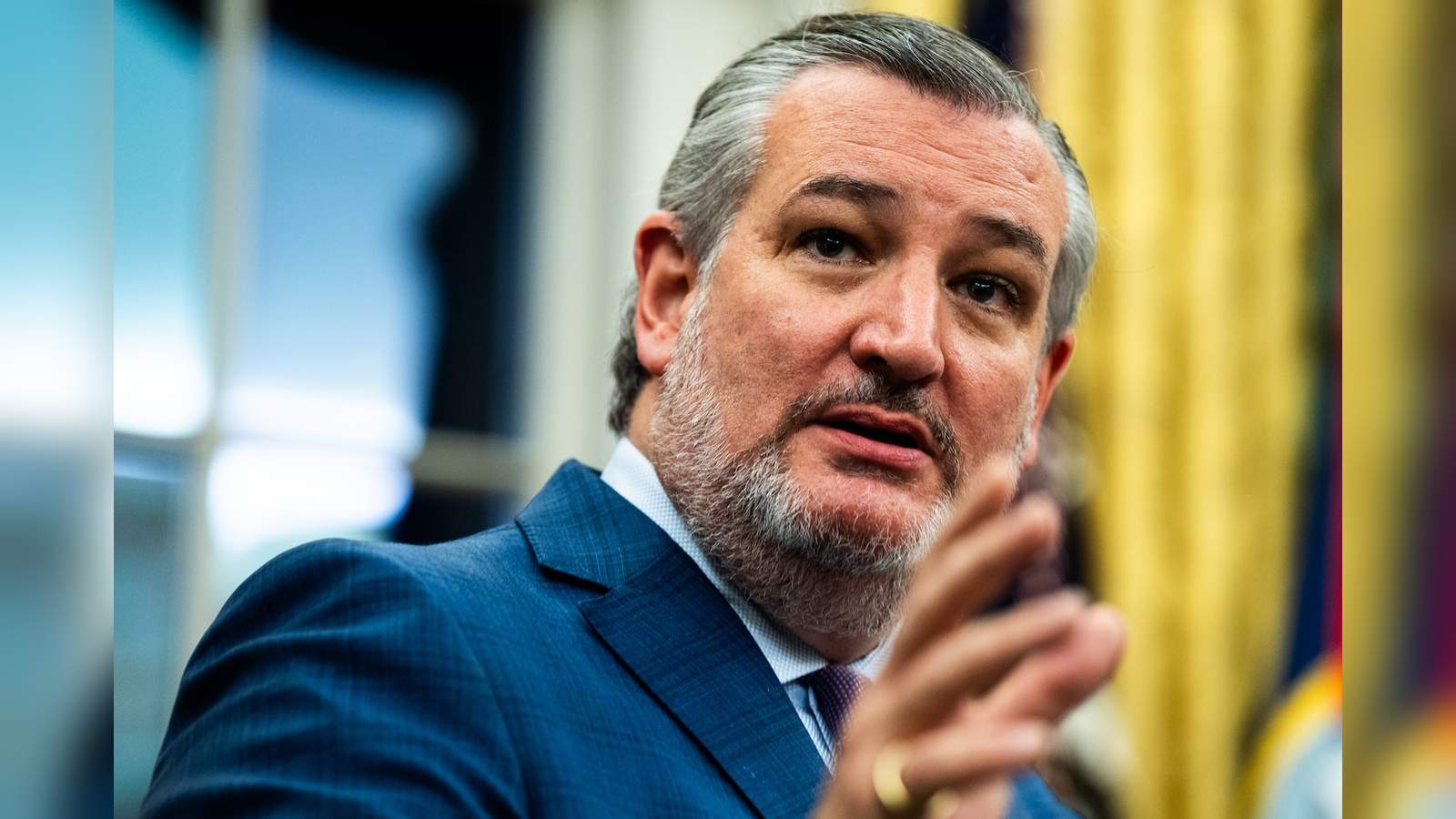
Senator Ted Cruz (R-Texas) has declined to confirm whether he intends to launch a bid for the presidency in 2028, opting instead to shift focus toward the upcoming midterm elections. During an appearance on NBC’s “Meet the Press” on Sunday, host Kristen Welker pressed the senator for a direct answer regarding his potential candidacy, but Cruz maintained a non-committal stance.
When asked directly if he was seriously considering a run, Cruz utilized a biblical reference to redirect the dialogue. “The Book of Ecclesiastes tells us there’s a time for every season,” Cruz stated. “And this is not that season right now. This is the season of the midterms.”
Legislative Focus and Campaigning
Cruz emphasized that his current priority is mobilizing support for Republican candidates across the country. He noted that in the last decade, he has campaigned for more Senate, House, and gubernatorial candidates than any other Republican, framing the current midterm cycle as “the most consequential” in recent history.
This latest deflection follows comments made during an Aug. 26 interview on the “Lt. Dan” podcast, where Cruz openly acknowledged his enduring ambition for the White House. “It’s no secret that I want to be president. I ran for president. I came close,” he remarked at the time. When specifically asked on the podcast if he would run again, he offered a similarly coy response: “Time will tell.”
Context and Political Stakes
The senator’s calculated ambiguity comes amid a shifting landscape within the Republican party. Former President Donald Trump, who defeated Cruz for the 2016 nomination, recently weighed in on the prospect of a potential Cruz candidacy. “I would say that he’s very talented; he’s a very good friend of mine,” Trump said. “I think he might do that. Yeah, he’s a talented guy.”
Political analysts note that Cruz’s current strategy serves to maintain his national profile while avoiding the premature friction often associated with early presidential campaign declarations. By positioning himself as a primary architect of GOP midterm success, he strengthens his political capital regardless of his ultimate decision regarding 2028.