


White House Meeting and Election Integrity Plans
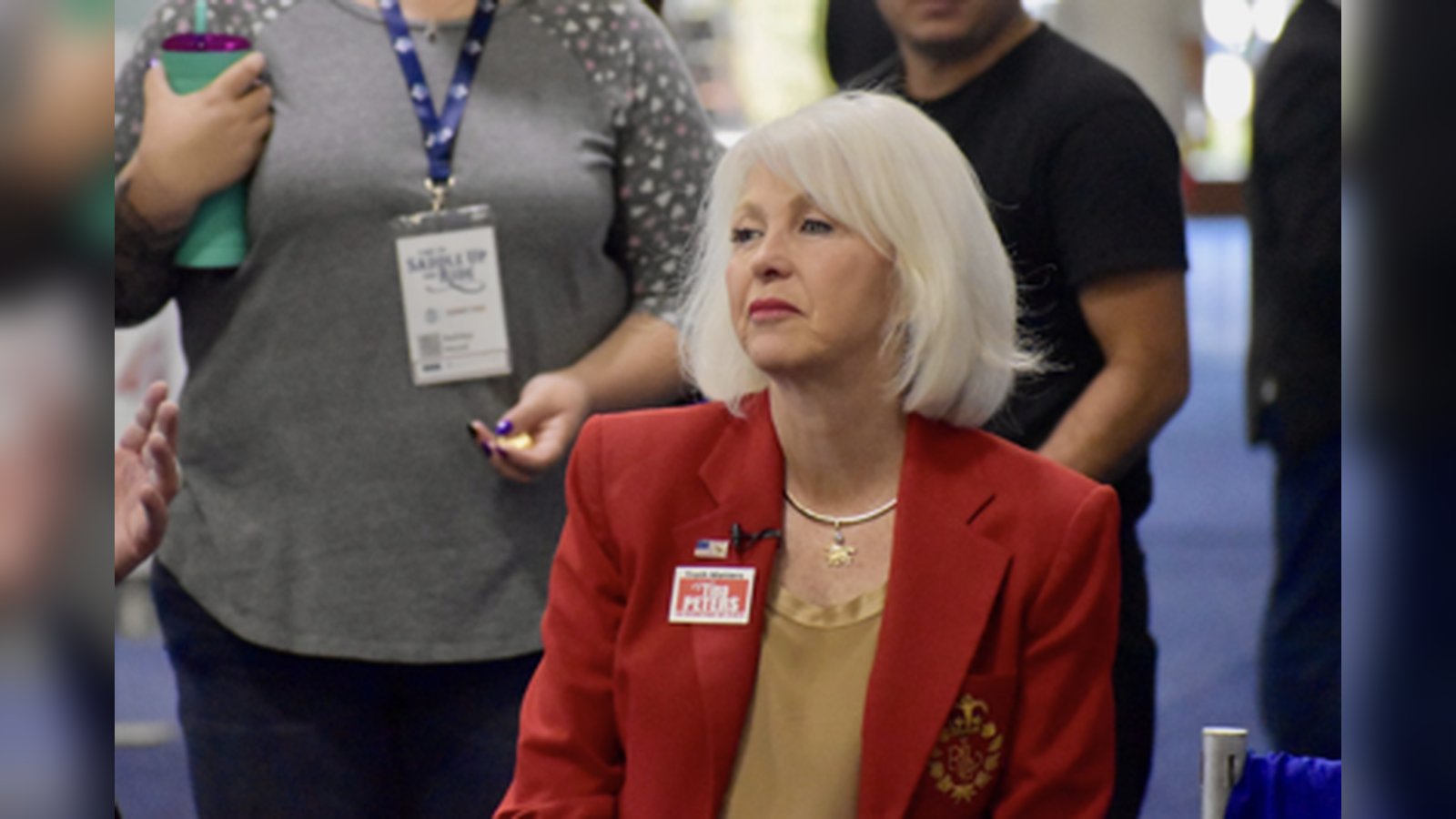
Former Mesa County Clerk Tina Peters met with President Donald Trump at the White House on Monday to discuss “election integrity” and federal strategy for the upcoming November midterm elections, according to Ed Martin, a former U.S. Department of Justice attorney. Martin, who has shifted to private legal work focused on election processes, told Montrose Press that the meeting underscored the administration’s interest in the intersection of local election control and federal security mandates. While the specific details of the proposed plans remain unclear, the discussion reportedly centered on how federal authority might interact with state-managed election systems.
The White House has declined to confirm the meeting, with spokesperson Lauren Bizz stating the office does not comment on private meetings that may or may not have occurred. However, an unnamed source confirmed to Media Matters that the sit-down took place on Monday. Peters, who was released from prison in June after her sentence was commuted by Colorado Governor Jared Polis, has spent the months following her release traveling the country to advocate for her “Risk-Mitigation Roadmap.”
Federal Oversight and State Conflict
The meeting occurs amidst ongoing friction between the Trump administration and Colorado officials. According to the Colorado Times Recorder, Peters’ release followed significant pressure from the Trump administration, which allegedly organized a “brainstorm call” that resulted in the withholding of federal transportation and energy funding for Colorado. The state has since sued the administration, with Attorney General Phil Weiser characterizing the funding cuts as an unconstitutional attempt to punish Colorado for its election and criminal justice policies.
Peters continues to face criticism from state officials. Colorado Secretary of State Jena Griswold stated that both Peters and Trump are “election deniers” and vowed that the state would resist any unlawful federal interference in its election administration. Peters, for her part, maintains that her proposed plan is a forward-looking effort to ensure paper-based verification, though she has not provided details on who would conduct these independent verifications or how they would be legally implemented.
Broader Implications for Midterms
Ed Martin suggested that if Congress fails to pass the SAVE American Act—which would mandate proof of citizenship for voting—the administration may attempt to act through executive channels. This aligns with Trump’s repeated, though unsubstantiated, claims regarding mail-in ballot fraud. While federal officials have previously raised concerns about the security of voting machines, election technology experts maintain there is no evidence of foreign actors successfully manipulating these systems. As the November 3 election approaches, the dialogue between the administration and figures like Peters suggests an intensified focus on state-level election oversight from Washington.