

Quick Read
- President Trump called for a one-year, 10% cap on credit card interest rates via Truth Social.
- The proposed cap is set to take effect on January 20, 2026, but lacks details on implementation.
- The move revives a 2024 campaign pledge that analysts previously deemed difficult to implement without congressional approval.
- Senator Elizabeth Warren criticized the call as “meaningless” without a congressional bill.
- Billionaire Bill Ackman warned the cap could lead to credit card cancellations and force consumers to loan sharks.
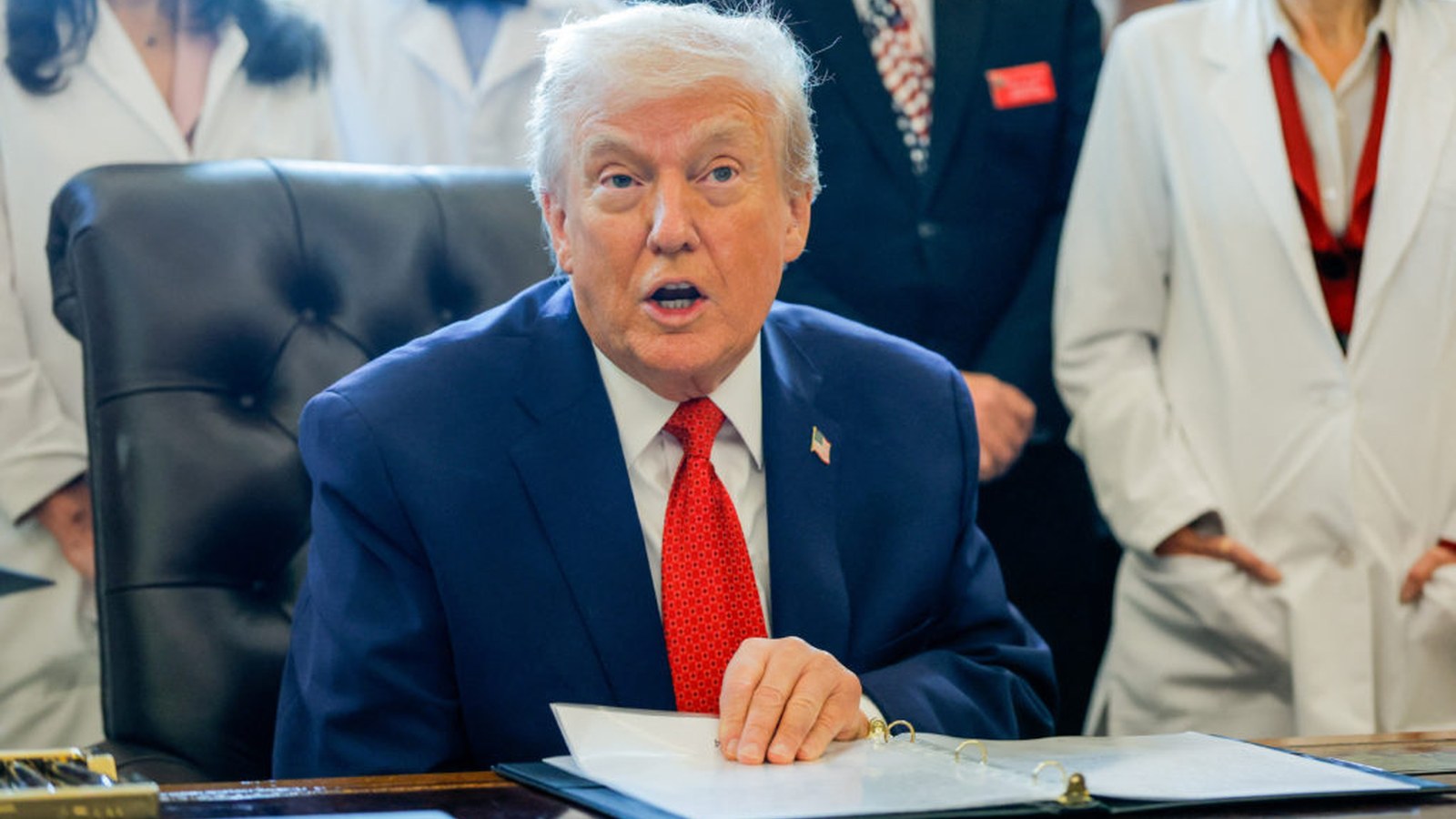
President Donald Trump has reiterated his call for a one-year cap on credit card interest rates at 10%, a significant move announced via Truth Social on Friday, January 9, 2026, that revives a key campaign promise and immediately sparked debate over its feasibility and economic impact. The declaration, set to take effect on January 20, 2026, aims to curb what Trump described as credit card companies ‘ripping off’ the American public, yet it lacked specific details on how such a sweeping policy would be implemented or enforced without congressional approval.
This renewed pledge echoes a promise made by Trump during his successful 2024 election campaign, which at the time was largely dismissed by analysts who underscored the necessity of legislative action for any such cap to become law. Despite bipartisan concerns raised by lawmakers over high credit card rates, the pathway to enacting a presidential decree of this magnitude remains fraught with constitutional and practical challenges. The Republican party currently holds a narrow majority in both chambers of Congress, yet past legislative efforts to cap rates have not advanced to become law.
A Presidential Decree Without Legislative Detail
In his post on Truth Social, President Trump stated, “Effective January 20, 2026, I, as President of the United States, am calling for a one year cap on Credit Card Interest Rates of 10%.” He further added, “Please be informed that we will no longer let the American Public be ‘ripped off’ by Credit Card Companies.” Crucially, the post did not elaborate on the mechanism by which this cap would be enforced, nor did it indicate whether the administration had a legislative strategy or intended to pursue executive action. The White House, when contacted, did not provide immediate details, simply stating on social media without elaboration that the president was capping the rates. Major U.S. banks and credit card issuers, including American Express, Capital One Financial Corp, JPMorgan, Citigroup, and Bank of America, did not respond to requests for comment, highlighting the uncertainty surrounding the announcement.
The absence of a clear legislative or executive framework immediately drew fire from critics. U.S. Senator Elizabeth Warren, a prominent Democrat on the Senate Banking Committee, quickly dismissed Trump’s call as “meaningless without a bill being passed by Congress.” Warren, a long-time advocate for consumer protection and stricter financial regulations, further commented, “Begging credit card companies to play nice is a joke. I said a year ago if Trump was serious I’d work to pass a bill to cap rates. Since then, he’s done nothing but try to shut down the CFPB.” Her remarks underscored the political divide and the perceived hypocrisy, given the Trump administration’s previous actions to dismantle consumer protections.
Bipartisan Support and Industry Opposition
Despite the political sparring, the issue of high credit card interest rates has garnered rare bipartisan attention in Congress. U.S. Senator Bernie Sanders, a staunch critic of Trump, and Senator Josh Hawley, a Republican, previously introduced bipartisan legislation aimed at capping credit card interest rates at 10% for five years. This specific bill explicitly directed credit card companies to limit rates as part of broader consumer relief. Similarly, Democratic U.S. Representative Alexandria Ocasio-Cortez and Republican Congresswoman Anna Paulina Luna have introduced a House bill to cap rates at 10%, demonstrating cross-aisle interest in addressing the issue. However, these legislative efforts have yet to gain sufficient traction to become law, indicating the complex political landscape surrounding financial regulation.
The announcement also faced immediate pushback from the financial sector and some of Trump’s own allies. Billionaire fund manager Bill Ackman, who endorsed Trump in the last elections, publicly criticized the call as a “mistake.” Writing on X, Ackman warned of potential adverse consequences: “Without being able to charge rates adequate enough to cover losses and earn an adequate return on equity, credit card lenders will cancel cards for millions of consumers who will have to turn to loan sharks for credit at rates higher than and on terms inferior to what they previously paid.” This perspective highlights concerns that a rate cap could inadvertently reduce credit availability for high-risk borrowers, pushing them towards more predatory lending options outside regulated markets.
Previous Regulatory Stances and Future Implications
The Trump administration’s stance on credit card regulations has been inconsistent, adding another layer of complexity to this new announcement. Last year, the administration actively moved to scrap a credit card late fee rule established during the era of $1 Joe Biden. The administration had asked a federal court to invalidate a regulation capping credit card late fees at $8, aligning with business and banking groups who argued the rule was illegal. A federal judge subsequently threw out the Biden-era rule, illustrating a previous inclination to deregulate rather than impose caps on the financial industry. This history raises questions about the administration’s overarching philosophy on consumer financial protection and the political motivations behind the current call for a rate cap.
The proposed 10% cap, if implemented, would represent a dramatic shift in the U.S. credit market. Average credit card interest rates currently hover around 20-25%, with some exceeding 30%. A 10% cap would significantly reduce the revenue streams of credit card issuers, potentially leading to a contraction of credit availability, especially for subprime borrowers. While proponents argue it would protect vulnerable consumers from predatory lending practices and alleviate financial burdens, opponents fear it could create a credit crunch, forcing many to seek alternative, potentially unregulated, and more expensive forms of credit. The debate underscores the delicate balance between consumer protection and maintaining a robust, accessible credit market. The reiteration of President Trump’s campaign promise to cap credit card interest rates at 10% injects a significant, albeit vaguely defined, policy proposal back into the national discourse, signaling a continued political appetite for addressing consumer debt burdens but facing substantial hurdles for effective implementation without clear legislative backing or a robust, legally sound executive strategy.